Nosy Tanikely Marine Reserve Snorkelling Tour: Complete Guide 2026
This post contains affiliate links. We may earn a small commission at no extra cost to you.
Essential Gear for Madagascar’s Coastal Activities
Madagascar’s Underwater World Is World-Class — Film It in 5.3K Before It’s Gone
The coral gardens off Nosy Be, the whale sharks of the Mozambique Channel, the humpback whales migrating to Île Sainte-Marie — your phone doesn’t go underwater. The GoPro HERO13 Black shoots 5.3K60 video and is waterproof to 10 metres without any housing. Mount it on your snorkel mask, clip it to your kayak, hand it to your dive guide. Sold directly by Amazon.
Check current price and availability on Amazon →
Madagascar’s UV Index Hits 11+ — Your Skin Needs More Than Sunscreen in the Water
Nosy Be, Île Sainte-Marie, the reefs off Fort Dauphin — spectacular coastal waters under an equatorial sun with UV regularly hitting 11+. Sunscreen washes off within 20 minutes in water. O’Neill’s UPF 50+ long-sleeve rash guard blocks 98% of UV radiation all day, in and out of the water, without reapplication. Stays in place during snorkelling and dives.
Check current price and availability on Amazon →
Snorkelling Madagascar’s Reefs Without UV Protection Is How You Come Home With a Week of Sun Damage
The coral reefs of Nosy Be and Île aux Nattes are some of the most beautiful snorkelling in the Indian Ocean — in direct equatorial sunlight every minute you’re in the water. Hurley’s Women’s UPF 50+ long-sleeve rashguard covers your core, arms, and shoulders with full-spectrum UV protection. Lightweight, fast-drying, designed for real ocean conditions.
Check current price and availability on Amazon →
One Wave, One Pirogue Crossing, One Rain Shower — That’s All It Takes to Lose Your Phone in Madagascar
Madagascar’s water crossings are done in pirogues — narrow dugout canoes with no sides to speak of. One unexpected wave. One overfilled pirogue. One downpour on the RN7 with nowhere to shelter. The JOTO Universal Waterproof Pouch seals your phone in an IPX8-rated case to depths up to 30 metres. Use the touchscreen through the case, take underwater photos. Under $15.
Check current price and availability on Amazon →
Your Camera, Passport, and Valuables Need a Waterproof Shell for Madagascar’s Boat Transfers
Boat transfers to Nosy Komba, dive sites, and the remote beaches of Masoala — waves hit the deck, spray soaks everything unprotected. A wet camera, a soaked passport, or a ruined MacBook is not a one-hour problem in a country where Apple Stores don’t exist. The Earth Pak Dry Bag rolls and clips shut to create a 100% waterproof seal rated to IPX8. NY Times Wirecutter-recommended, 5-year warranty.
Check current price and availability on Amazon →
You’re Flying 10,000km to See Lemurs, Chameleons, and Fossa — Don’t Document It With a Phone Camera
Indri lemurs calling across the canopy of Andasibe. Panther chameleons in electric blue and orange. The fossa spotted on a night walk in Kirindy. A smartphone sensor in low rainforest light produces grainy, blurred images. The Sony a6400 with Real-Time Eye Autofocus locks onto animal eyes instantly — even through undergrowth and low light. APS-C sensor, 4K video, flip-up touchscreen.
Check current price and availability on Amazon →
Madagascar Has Over 100 Species of Lemur and 280 Species of Bird — You’ll Miss Most of Them Without Binoculars
Sifaka lemurs leap between canopy trees 30 metres up. The Madagascar fish eagle perches on a branch 200 metres across a lake. Without binoculars, you’re looking at distant shapes and taking your guide’s word for it. The Vortex Diamondback HD 10×42 delivers HD optical clarity with edge-to-edge sharpness. Waterproof, fog-proof, backed by Vortex’s unconditional lifetime warranty.
Check current price and availability on Amazon →
Madagascar Goes Completely Dark After Sunset — Don’t Navigate It Blind
Outside of Antananarivo’s main streets, Madagascar has virtually no street lighting. Wildlife walks in Ankarana, night lemur spotting in Ranomafana, the path to your bungalow — all navigated in total darkness. The Black Diamond Spot 400-R delivers 400 lumens with a 100-metre beam, USB-C rechargeable, IPX8 waterproof, with red night-vision mode for wildlife observation without disturbing animals.
Check current price and availability on Amazon →
At a Glance
- Location: 8km southwest of Nosy Be, Indian Ocean
- Boat time: 30–45 minutes from Nosy Be harbour or Ankify
- Marine life: Green sea turtles, clownfish, parrotfish, moray eels, rays
- Entry fee: 15,000 Ar (~$3) per person
- Best visibility: April–November (10–25m in dry season)
- Book tours: Browse Nosy Tanikely tours on GetYourGuide
- Hotels in Nosy Be: Check availability on Agoda — peak season sells out fast
- Insurance: Get SafetyWing — covers water activities and medical evacuation
🎒 Madagascar Trip Essentials — Pack These Before You Go
A few inexpensive items make the biggest difference on the ground. These are the ones experienced travelers order before they leave:
- Picaridin insect repellent — malaria is a real risk here — the mosquito defence most travelers rely on. See options on Amazon →
- Permethrin clothing spray — treat your clothes before you fly; keeps working for weeks. See options on Amazon →
- Water filter bottle — tap water isn’t safe to drink in Madagascar. See options on Amazon →
- Universal travel adapter — Madagascar uses type C/E plugs. See options on Amazon →
- 8×42 binoculars — essential for spotting lemurs and chameleons. See options on Amazon →
As an Amazon Associate we earn from qualifying purchases, at no extra cost to you.
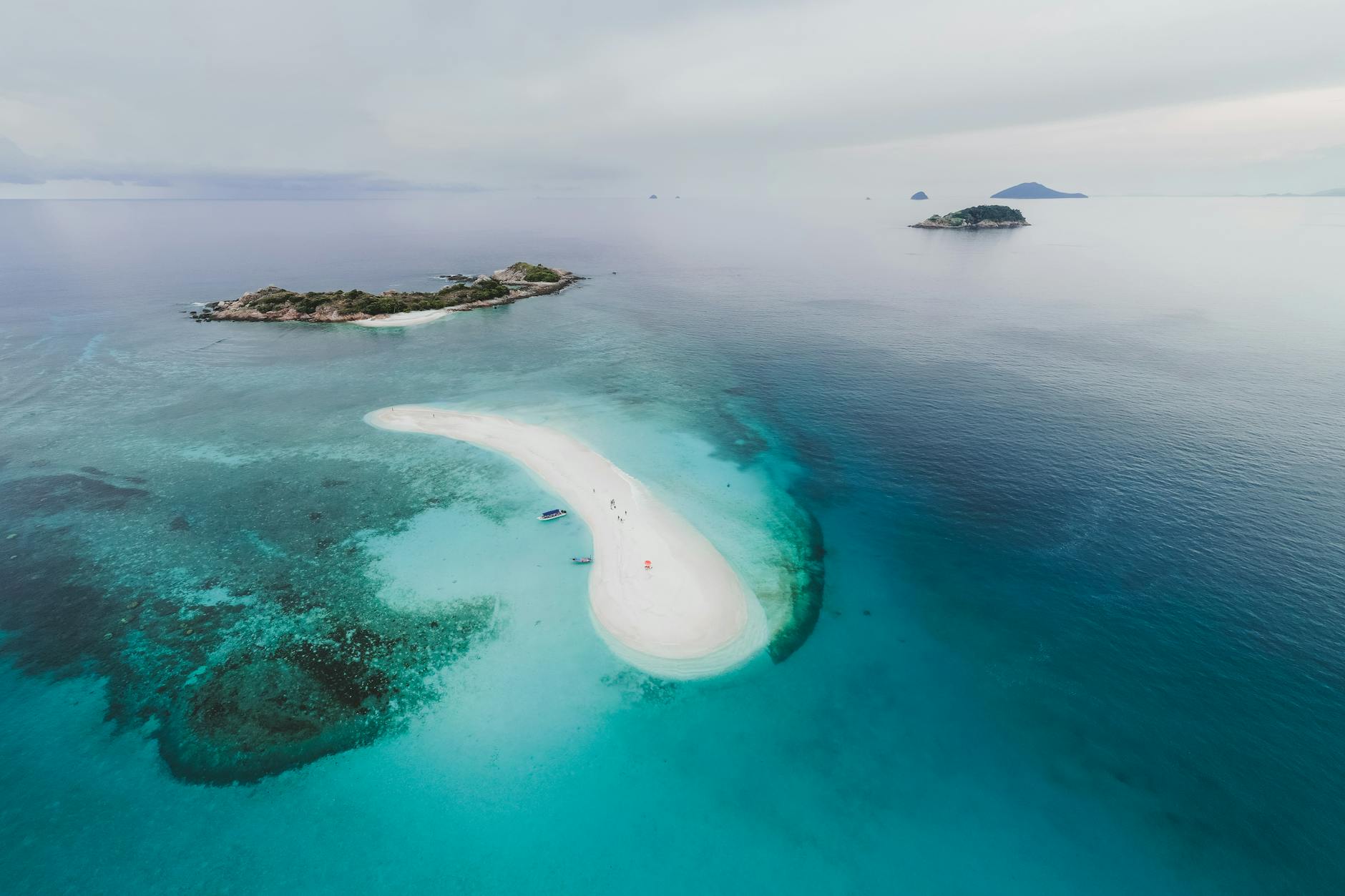
Nosy Tanikely is Madagascar’s most accessible marine reserve — a 65-hectare protected reef surrounding an uninhabited island southwest of Nosy Be where two decades of strict no-fishing rules have produced exceptional coral density, a resident turtle population, and fish diversity that rivals anywhere in the western Indian Ocean.
What Makes Nosy Tanikely One of Madagascar’s Best Snorkel Sites
Nosy Tanikely Marine Reserve was established in 2001. No fishing has been permitted within its boundaries since then, and that protection has had a profound effect on the reef ecosystem. The coral coverage between 3 and 10 metres depth is among the densest in Madagascar — branching Acropora, massive Porites and plate coral formations provide habitat complexity that supports an extraordinary diversity of reef fish and invertebrates. The reserve’s most celebrated residents are its green sea turtles (Chelonia mydas). Researchers have identified at least 40 individuals using the reserve’s reef and feeding grounds. Turtles are routinely encountered within 10–15 minutes of entering the water from the main beach — many have become habituated to snorkellers and swim within 1–2 metres of the surface without diving away. A 1904 French lighthouse sits at the island’s highest point and can be climbed for panoramic views across the Nosy Be archipelago and the Malagasy mainland coast. The lighthouse trek takes 15 minutes from the beach and rewards with views that put the entire snorkelling area in geographic context. Book a Nosy Tanikely snorkel tour with gear included on GetYourGuide.
Boat Trips: Operators, Departure Points and Journey Times
Day trips to Nosy Tanikely depart from multiple points around Nosy Be. Hell-Ville harbour (the main commercial port) is the most common origin — speedboats take 30 minutes and traditional wooden dhows take 45–60 minutes depending on wind. Ankify, the mainland port 14km east, is 45 minutes by speedboat. Many beach resort hotels on Nosy Be’s western and northern coasts offer direct hotel-to-Tanikely transfers for guests, which is the most convenient option. Budget operators in Hell-Ville harbour charge 50,000–80,000 Ar per person for a return day trip including reserve entry, basic snorkel equipment rental and a simple lunch on the island. Mid-range tours add a glass-bottom boat segment, a marine guide narrating fish species and reef ecology, and a second reef stop (Nosy Sakatia or Nosy Komba) on the return. Nosy Be’s established dive operators — IDB Dive and Tropical Diving — also run snorkel-focused day trips with higher-quality equipment and more structured safety briefings. Compare Nosy Tanikely tours on Viator for verified reviews and package comparisons before booking.
Marine Life Guide: What Snorkellers Actually See
The turtle encounters are the defining experience. Green turtles at Nosy Tanikely are habituated, large (many over 80cm carapace length) and unhurried — they graze on sea grass in the shallows and rest on the reef slope, and they routinely allow snorkellers to swim alongside them at close range. Do not chase, touch or block a turtle’s path to the surface for breathing — all three disturb feeding behaviour and are against reserve rules. The coral garden between 3 and 8 metres depth hosts large schools of convict surgeonfish, bumphead parrotfish, and 15+ species of butterflyfish. Clownfish pairs occupy virtually every suitable anemone along the reef slope — look for them in clusters of magnificent sea anemones. Giant moray eels up to 1.8 metres in length rest in coral crevices; they are non-aggressive unless provoked or cornered. At the sandy reef base (10–12 metres) bluespotted ribbontail rays rest partially buried — visible from the surface on calm, clear days. The south-southwestern side of the island has the best coral density; the northern tip has occasional strong current best avoided by less experienced swimmers.
Practical Info: Entry Fees, Season and Reserve Rules
The reserve entrance fee is 15,000 Ar (approximately $3) per person, collected at the beach landing point by park rangers. The fee directly funds community-managed conservation. The reserve is open year-round, but dry season conditions (April–November) offer dramatically better experiences: visibility reaches 20–25 metres, seas are calm for the boat crossing, and turtle encounters are more frequent as individuals return to shallow feeding grounds. December through March brings cyclone swell risk, reduced visibility to 5–10 metres and rougher crossings. Reserve rules are enforced by rangers present on the island throughout opening hours: no touching, feeding or riding turtles (violations carry fines), no removal of coral or shells, and no entry to the water with chemical sunscreen — only reef-safe formulations permitted. Alcohol on the island is allowed in designated picnic areas. The lighthouse hill path is open to walkers. Most snorkel tours run from 08:00 to 13:00 — arriving early secures the best visibility before afternoon plankton increases. Book Nosy Be accommodation on Agoda close to Hell-Ville harbour for the easiest Tanikely access.
Frequently Asked Questions
Do I need to be a strong swimmer to snorkel at Nosy Tanikely?
The main snorkel area is shallow (3–8 metres) and calm on sheltered sides of the island. Confident but not expert swimmers are fine. Life jackets or flotation vests are provided by most operators and strongly recommended for those less confident in open water.
Can I bring my own snorkel gear to Nosy Tanikely?
Yes, and it significantly improves the experience. Well-fitted personal masks provide much better visibility than poorly-maintained rental equipment. A wetsuit is not needed — water temperature is 26–30°C year-round. Fins with adjustable heels are the most useful piece to bring.
Are sea turtle encounters at Nosy Tanikely guaranteed?
Nothing in wildlife is guaranteed, but Nosy Tanikely has one of the highest sea turtle encounter rates of any accessible reef in Madagascar. Realistically, 90%+ of visitors see multiple turtles within 20 minutes of entering the water in May through October.
Is it possible to camp or stay overnight on Nosy Tanikely?
No. The island is uninhabited reserve land with no accommodation infrastructure. All visitors must return to Nosy Be by boat before sunset per reserve regulations. Day tours only.
Nosy Tanikely delivers everything a great snorkel day should — crystal-clear water, exceptional coral, and the extraordinary experience of swimming alongside wild sea turtles within 30 minutes of your Nosy Be hotel. It is Madagascar’s most accessible natural highlight and one of the Indian Ocean’s genuinely unmissable reef experiences. Before you board the boat: get SafetyWing travel insurance or compare with World Nomads for water sports cover. Medical rescue and evacuation from a remote Indian Ocean island costs $30,000–$80,000 — coverage makes a genuine difference when you need it.
Plan Your Trip to Madagascar
- Read the full Madagascar Travel Guide
- Explore itineraries by style and duration
- Explore the full destination guide
Where to Stay