Best Things to Do in Fianarantsoa 2026: Old Town, Wine Country & Ranomafana
Affiliate disclosure: This article contains sponsored links to hotels, tour operators, insurance providers, and other travel services. We earn a small commission if you book through our links, at no extra cost to you.
Things to Do in Fianarantsoa 2026 — At a Glance
- Top highlights: wander the hilltop Haute-Ville old town, ride the legendary FCE railway, taste Betsileo wine, and use the city as a launchpad to Ambalavao, Anja, Andringitra and Ranomafana.
- Tours & day trips: browse Madagascar highland tours on GetYourGuide for guided rainforest, wildlife and cultural excursions.
- Plan with a local: contact Carla to build a custom Fianarantsoa itinerary.
- Getting around: the highlands reward a private car & driver via Carla — far more flexible than waiting on taxis-brousses.
- Flight delays: if your connection to Madagascar is delayed or cancelled, check your compensation with AirAdvisor.
- Travel insurance: cover trekking, rainforest day trips and rough highland roads with SafetyWing Nomad Insurance.
- Where to stay: compare central highland stays on Agoda in and around Fianarantsoa.
- Best time: the cooler, drier months (roughly April–November) are easiest for trekking and the train; pack warm layers — the highlands get genuinely cold at night.
- How long: give Fianarantsoa at least 2–3 nights, more if you add Ranomafana or the FCE train.
🎒 Madagascar Trip Essentials
A few inexpensive items make the biggest difference on the ground in Madagascar:
- Picaridin insect repellent — DEET-free protection against malaria mosquitoes. See on Amazon →
- Permethrin clothing spray — treat clothes; kills mosquitoes on contact for weeks. See on Amazon →
- Pop-up mosquito net — budget lodges rarely provide one; packs down tiny. See on Amazon →
- Water filter bottle — tap water isn’t safe to drink in Madagascar. See on Amazon →
- Universal travel adapter (USB-C) — Madagascar uses European-style plugs. See on Amazon →
- 8×42 binoculars — essential for spotting lemurs and chameleons in the canopy. See on Amazon →
As an Amazon Associate we earn from qualifying purchases.
Fianarantsoa is one of those Madagascar towns that quietly steals your heart. Perched in the cool, green central highlands at the heart of Betsileo country, it spreads across a series of hills crowned by a maze-like old town of brick houses, narrow cobbled lanes and slender churches. It is a university city, a religious centre, the gateway to Madagascar’s only working scenic railway, and the unofficial capital of the country’s small but proud wine region. Travellers who breeze through on the RN7 between Antananarivo and the south often regret not lingering — there is far more to do here than a single afternoon allows.
This guide walks through the best things to do in and around Fianarantsoa, from cobbled streets and vineyard tastings to lemur reserves, granite peaks and one of the most famous train journeys in the Indian Ocean. Some experiences sit right in town; others are day trips or multi-day excursions that use Fianarantsoa as their natural base. Mix and match according to how much time, energy and appetite for adventure you have — and read on for what each is, why it’s worth doing, and how to do it well.
1. Wander the Haute-Ville (Tanàna Ambony) old town
The Haute-Ville — Tanàna Ambony, literally “the upper town” — is the historic soul of Fianarantsoa and the single most atmospheric thing to do here. Founded in the 19th century, this hilltop quarter is a tangle of steep cobbled lanes, weathered Betsileo and colonial-era brick houses with carved wooden balconies, and a cluster of old churches that give the skyline its distinctive silhouette. As you climb, the alleys open onto sudden panoramic views over the lower town, the surrounding rice terraces and the hills rolling away toward the horizon. It feels less like a tourist sight and more like a living, lived-in neighbourhood frozen somewhere between centuries.
Why do it: it’s free, endlessly photogenic, and the best way to feel the layered history of the Betsileo cultural capital. Practical tips: go on foot and allow a couple of unhurried hours; wear sturdy shoes for the cobbles, which can be slippery after rain. Mornings and late afternoons offer the softest light for photographs. A local guide brings the houses and churches to life with their stories — easy to arrange through your hotel or by asking contact Carla in advance. Be respectful: people live and worship here, so ask before photographing individuals.
2. Ride (or learn about) the FCE railway to Manakara
Fianarantsoa is the western terminus of the FCE — the Fianarantsoa–Côte Est railway — one of the most celebrated scenic train rides in Africa. The line creeps down from the cool highlands through tunnels, over bridges and past waterfalls into the steamy, lush eastern escarpment, finishing near Manakara on the Indian Ocean coast. It is slow, gloriously unpredictable, and utterly unforgettable: the train stops at tiny villages where vendors crowd the platform selling fruit, crayfish and snacks, and the whole journey doubles as a lifeline for communities the road barely reaches.
Why do it: it’s a bucket-list rail journey and a window into rural highland life you simply can’t get from a car. Practical tips: the schedule is famously variable and the train can be delayed for hours — build flexibility into your plans and never book a tight onward connection. Bring water, snacks and a warm layer for the highland start. Because logistics and timetables shift, plan this properly using our dedicated FCE railway guide, and consider a private car & driver via Carla to handle the road legs around the train.
3. Taste Betsileo wine in Madagascar’s wine country
Few travellers realise Madagascar makes wine at all — and even fewer realise that Fianarantsoa is the heart of it. The cool highland climate around the city, stretching toward Isandra and on toward Ambalavao, is the country’s main wine-growing region, with small vineyards producing reds, rosés, whites and the famous local “gris” (grey wine). The wines are rustic and unlike anything from established wine countries, which is precisely the point: tasting Betsileo wine is one of the most genuinely surprising things you can do in highland Madagascar.
Why do it: it’s a one-of-a-kind tasting experience and a great way to meet local producers. Practical tips: some vineyards welcome visitors for tastings and a look at the cellars, but opening hours can be informal — it’s best to arrange a visit in advance rather than turning up unannounced. A driver-guide who knows the producers makes the whole thing far smoother; ask contact Carla to set up a vineyard route, or browse organised options among the Madagascar highland tours on GetYourGuide.
4. Day-trip to Ambalavao for Antemoro paper and the zebu market
About 56 km south of Fianarantsoa, the small town of Ambalavao is one of the most rewarding day trips in the region — and a highlight in its own right. It is famous for two very different things. The first is Antemoro (Antaimoro) paper, a beautiful handmade paper produced from the bark of a local shrub and pressed with real dried flowers; you can watch the whole process in a workshop, from pulp to finished sheet, and pick up genuinely lovely souvenirs. The second is the zebu market, one of the largest cattle markets in Madagascar, where herders drive their humped zebu in from across the highlands — a raucous, dusty, utterly authentic slice of rural Malagasy life.
Why do it: two unmissable cultural experiences in one easy day trip south. Practical tips: the zebu market is busiest on its traditional market days, so check timing locally before you go. Ambalavao also makes a convenient launch point for Anja and Andringitra (below), so many travellers combine them. A car & driver via Carla turns the whole loop into a comfortable, well-paced day.
5. Visit the Anja Community Reserve
Just beyond Ambalavao, the Anja Community Reserve is one of the great conservation success stories of Madagascar — and one of the easiest places anywhere on the island to see wild ring-tailed lemurs up close. The reserve sits beneath a dramatic cluster of granite boulders and cliffs, and the troops of ring-tails here are habituated, relaxed and often busy at eye level, picking through the rocks and trees while you watch. Crucially, Anja is owned and run by the local community, with entrance fees feeding straight back into the village — so a visit is both a wildlife highlight and a direct contribution to grassroots conservation.
Why do it: reliable, ethical, close-up ring-tailed lemur sightings against unforgettable scenery. Practical tips: the walking trails involve some scrambling over and between boulders, so wear good shoes and bring water. A local community guide is included and adds enormous context about the lemurs and the granite landscape. It pairs naturally with an Ambalavao day, and it’s a brilliant introduction before the bigger rainforest parks. For more wildlife planning, see our central highlands guide.
6. Trek in Andringitra National Park
For travellers with strong legs and a taste for adventure, Andringitra National Park is one of the most spectacular trekking destinations in Madagascar. South of Ambalavao, this dramatic granite massif rises into a high-altitude world of bare rock domes, valleys, waterfalls and surprising biodiversity. Its crown jewel is Pic Boby, one of the highest peaks in Madagascar, reachable on a multi-day trek that rewards the effort with sweeping summit views over the southern highlands. The landscape here is utterly different from the rainforest parks — wide-open, windswept and grand.
Why do it: serious, scenery-rich trekking and the chance to summit one of the country’s iconic peaks. Practical tips: this is a genuine multi-day expedition needing proper preparation, a guide, porters and camping logistics, plus warm gear — temperatures up high can plummet, even occasionally to freezing. It is best arranged in advance rather than improvised. Make sure your SafetyWing Nomad Insurance covers trekking before you set off, and discuss the logistics with contact Carla.
7. Excursion to Ranomafana National Park
Roughly 60 km from Fianarantsoa, Ranomafana National Park is the region’s premier rainforest experience and one of the most biodiverse parks in Madagascar. Dense, dripping montane forest cloaks steep valleys threaded with streams, and the park shelters an extraordinary roll-call of wildlife — most famously the golden bamboo lemur, the discovery of which helped lead to the park’s creation. Daytime guided walks, magical night walks in search of nocturnal lemurs, chameleons and frogs, and the relaxing natural hot springs that give Ranomafana (“place of hot water”) its name all make it a standout.
Why do it: arguably the best rainforest and lemur-watching in the central highlands, easily reached from Fianarantsoa. Practical tips: a park guide is mandatory and well worth it — they find the wildlife you’d never spot alone. Bring rain gear (it’s rainforest, after all), good shoes, and insect repellent, and do at least one night walk if you can. Many travellers stay overnight near the park; compare options among central highland stays on Agoda, or book a guided trip through Madagascar highland tours on GetYourGuide.
8. Explore the lower town and its lively markets
While the Haute-Ville holds the history, the lower town (Tanàna Ambany) is where Fianarantsoa hums with everyday life. This is the commercial and administrative heart of the city, a busy grid of shops, offices, eateries and markets where Betsileo highlanders come to trade. Wandering the market stalls is a sensory pleasure — piles of highland vegetables, fragrant spices, baskets of fruit, household goods and the constant buzz of bargaining and conversation. It’s the perfect place to feel the pulse of a working Malagasy city away from any tourist polish.
Why do it: authentic, free, and a great way to people-watch, shop and sample street snacks. Practical tips: markets are liveliest in the morning. Keep valuables secure and stay aware in crowds, as you would in any busy market anywhere. Practise a few words of Malagasy or French — a friendly “salama” goes a long way. The lower town is also where you’ll find banks, transport connections and most practical services.
9. Admire the Betsileo rice-terrace landscapes
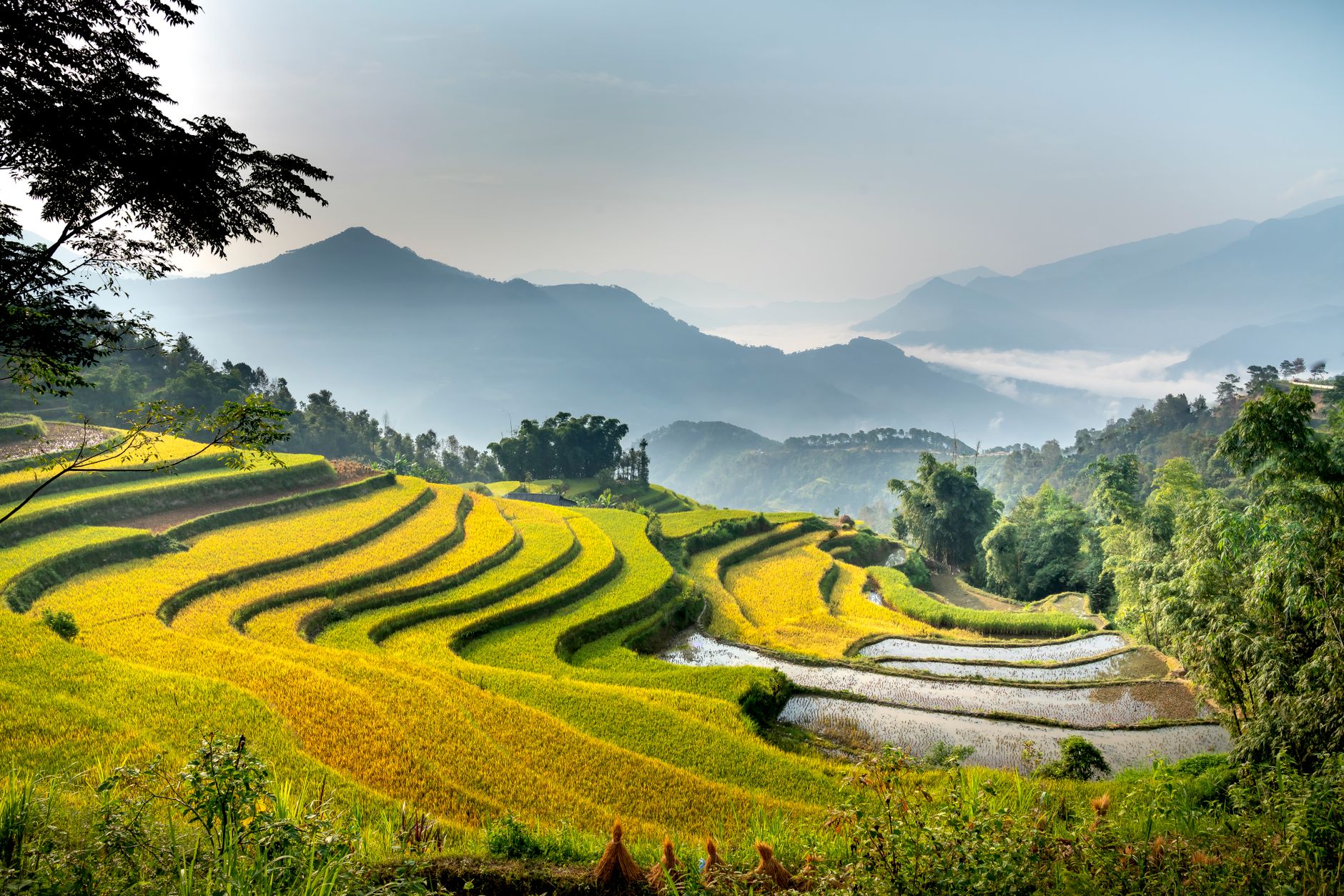
The countryside around Fianarantsoa is some of the most beautiful in Madagascar, and the Betsileo are renowned as master rice farmers. The hills cradling the city are sculpted into intricate emerald rice terraces that change colour with the seasons — vivid green when growing, golden at harvest, mirror-bright when flooded. Driving or walking through this patchwork of paddies, with zebu carts trundling along the lanes and farmers bent over the fields, is one of the quintessential highland Madagascar experiences.
Why do it: sublime, ever-changing scenery and an insight into the rice-growing culture at the core of Betsileo life. Practical tips: the terraces are at their most photogenic around planting and harvest; ask locally what stage the season is at. The viewpoints along the RN7 and the back roads toward Ambalavao and Isandra are superb — another reason a flexible car & driver via Carla pays off, since the best vistas come and go between villages.
10. Sample highland food and local wine
Highland cooking is hearty, comforting and built around rice, and Fianarantsoa is a fine place to dig in. Expect generous plates of rice paired with zebu (the humped cattle that are central to Malagasy life), chicken or pork, often stewed with greens and served with a punchy chilli relish on the side. The cool climate also brings fresh highland vegetables to the table. And of course, this is wine country — so a glass of local Betsileo red, rosé or “gris” alongside dinner ties the whole meal to its place.
Why do it: tasty, affordable, and a genuine taste of central highland culture. Practical tips: small local restaurants (“hotely”) serve the most authentic food at modest prices; ask your hotel for current recommendations. If you’re keen to try the local wine, dinner is the easiest setting. Stick to bottled or treated water and freshly cooked dishes to keep your stomach happy.
11. Visit the churches and soak up the student-city atmosphere
Fianarantsoa wears its identity as a religious and educational centre proudly. The skyline of the Haute-Ville is punctuated by historic churches and cathedrals, and the city has long been an important hub for Christianity in the highlands; the buildings themselves, with their brick towers and quiet interiors, are part of the town’s charm. Add a substantial student population from the local university, and the city has a youthful, lively, surprisingly cultured feel for its size — bookshops, cafés and a buzz of young people give it a distinct character.
Why do it: beautiful architecture and an easy-going, intellectual atmosphere you won’t find in many Malagasy towns. Practical tips: dress modestly if you enter churches, and be discreet during services. Combine a church-and-architecture stroll with your wander through the Haute-Ville. Cafés near the centre are a pleasant spot to pause, watch the world go by and plan your next move.
12. Use Fianarantsoa as your springboard south on the RN7
Fianarantsoa sits at a strategic point on the RN7, the great south-bound highway that links Antananarivo to Toliara. That makes it the ideal base and pivot for a broader highland-and-south journey: from here the road continues toward Ambalavao, then on through the increasingly dry landscapes to the spectacular sandstone canyons of Isalo National Park and finally down to the coast at Toliara. Many travellers treat Fianarantsoa as the last cool, green highland stop before the road tips into the south’s wide, arid horizons.
Why do it: it stitches your trip together logically and lets you break a long drive with a worthwhile stop. Practical tips: if you’re heading south, plan the route as a series of manageable legs rather than marathon drives. A private car & driver via Carla makes the RN7 far more comfortable and flexible. For the full southern run, see our southern Madagascar RN7 guide, and compare Fianarantsoa with its highland rival in our Antsirabe vs Fianarantsoa comparison.
13. Plan the perfect base — and time your visit
Half the art of doing Fianarantsoa well is choosing the right base and the right season. Stay central enough to walk to the Haute-Ville and markets, but somewhere comfortable to come back to after a long day at Ranomafana or Anja. The town and its surroundings offer a spread of guesthouses and hotels to suit different budgets, and basing yourself here lets you radiate out to the day trips without constant repacking.
Why do it: a smart base and good timing make every other experience on this list easier and more enjoyable. Practical tips: compare central highland stays on Agoda and book ahead in the high season. For seasonal advice, read our best time to visit Madagascar guide — the cooler, drier months are ideal for trekking and the train. For deeper destination context, our Fianarantsoa destination guide, hotels guide and trip cost guide round out the picture.
Getting There & Travelling Well
Fianarantsoa is reached overland — most travellers arrive by road on the RN7 from Antananarivo (a long but scenic drive through the highlands), or via the FCE train from the eastern coast. There is no convenient scheduled passenger flight straight into the city, so the journey is part of the experience. Because internal Madagascar travel relies heavily on connecting flights into Antananarivo, delays and cancellations on the way in are not unusual. If your flight into Madagascar is delayed, cancelled or overbooked, you may be entitled to compensation — check your eligibility with AirAdvisor and let them handle the claim for you.
Travelling well in the highlands means preparing for cool nights, rough roads, rainforest day trips and, if you’re ambitious, real trekking at altitude. Good travel insurance is non-negotiable: medical care is limited outside the capital, and an excursion to Ranomafana, Anja or Andringitra can put you well off the beaten track. SafetyWing Nomad Insurance is built for exactly this kind of flexible, multi-stop adventure travel, covering medical issues and disruptions while you roam. Sort your SafetyWing cover before you leave so you can focus on the lemurs, the wine and the views rather than the what-ifs.
Let Carla Plan Your Fianarantsoa Trip
Fianarantsoa rewards travellers who go deeper — and that’s far easier with a local who knows the vineyards, the reserves, the train and the back roads. Carla, our Madagascar travel partner, can build a tailor-made itinerary around exactly what you want to see, arrange a reliable car & driver, and time your day trips to Ambalavao, Anja and Ranomafana so nothing is rushed. Contact Carla to start planning your central highlands adventure.
Frequently Asked Questions
How many days do I need in Fianarantsoa?
Plan at least 2–3 nights to enjoy the Haute-Ville, the markets and a wine tasting, plus a day trip to Ambalavao and Anja. If you want to add Ranomafana National Park or ride the FCE railway, give yourself more — a full Fianarantsoa-and-surroundings experience can easily fill four to six days.
Is the FCE train worth doing?
For many travellers it’s a trip highlight — a slow, scenic, wonderfully human journey from the highlands to the coast. The catch is that the schedule is unpredictable and delays are common, so it needs flexibility in your plans. Read our dedicated FCE railway guide before committing.
Can I really taste wine near Fianarantsoa?
Yes — the area around Fianarantsoa toward Isandra and Ambalavao is Madagascar’s main wine region, and some vineyards welcome visitors for tastings. The wines are rustic and characterful. It’s best to arrange visits in advance, ideally with a driver-guide who knows which producers are open.
Where can I see lemurs near Fianarantsoa?
Two outstanding options: the Anja Community Reserve near Ambalavao for close-up ring-tailed lemurs among granite boulders, and Ranomafana National Park (about 60 km away) for rainforest species including the golden bamboo lemur. Anja is easy and reliable; Ranomafana needs a guide and ideally an overnight stay.
What’s the best time of year to visit?
The cooler, drier months (roughly April–November) are generally easiest for trekking, day trips and the train, though the highlands can be cold at night year-round, so pack warm layers. See our best time to visit Madagascar guide for the full seasonal picture.
Ready to Explore Fianarantsoa?
From the cobbled Haute-Ville to vineyard tastings, ring-tailed lemurs and the legendary FCE railway, Fianarantsoa is one of Madagascar’s most rewarding highland stops. Let Carla, our trusted local travel partner, plan the perfect trip — custom itineraries, a reliable car & driver, and seamless day trips to Ambalavao, Anja and Ranomafana.
Plan Your Trip to Madagascar
- Read the full Madagascar Travel Guide
- Explore itineraries by style and duration
- Best Tours and Guided Experiences
Where to Stay