Fianarantsoa Trip Cost 2026: Budget Breakdown for the Betsileo Highlands
Affiliate disclosure: This article contains sponsored links to hotels, tour operators, insurance providers, and other travel services. We earn a small commission if you book through our links, at no extra cost to you.
At a Glance — What a Fianarantsoa Trip Costs in 2026
Typical daily budget (approximate, rates fluctuate): backpacker roughly €18–30/day, mid-range roughly €50–85/day, comfort roughly €110+/day. Every figure below is a rough 2026 estimate — always check current prices before you book.
- Where to stay: central highland stays on Agoda
- Plan your trip: contact Carla for a tailored Fianarantsoa budget
- Get there comfortably: car & driver via Carla
- Book activities: tours on GetYourGuide
- Flight delayed or cancelled? Claim compensation with AirAdvisor
- Travel insurance: SafetyWing Nomad Insurance
💰 Carry Your Cash Safely in Madagascar
Madagascar runs largely on cash. Keep your money secure:
- Hidden money belt — keeps cash and passport out of a pickpocket’s reach. See on Amazon →
- RFID-blocking wallet — organises cards and blocks electronic skimming. See on Amazon →
- Neck wallet / passport pouch — discreet document holder for transit days. See on Amazon →
As an Amazon Associate we earn from qualifying purchases.
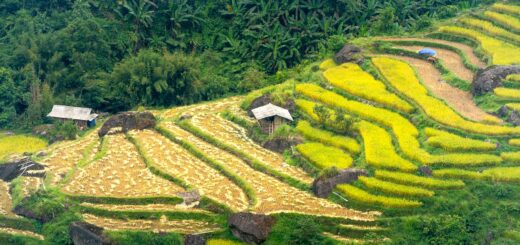
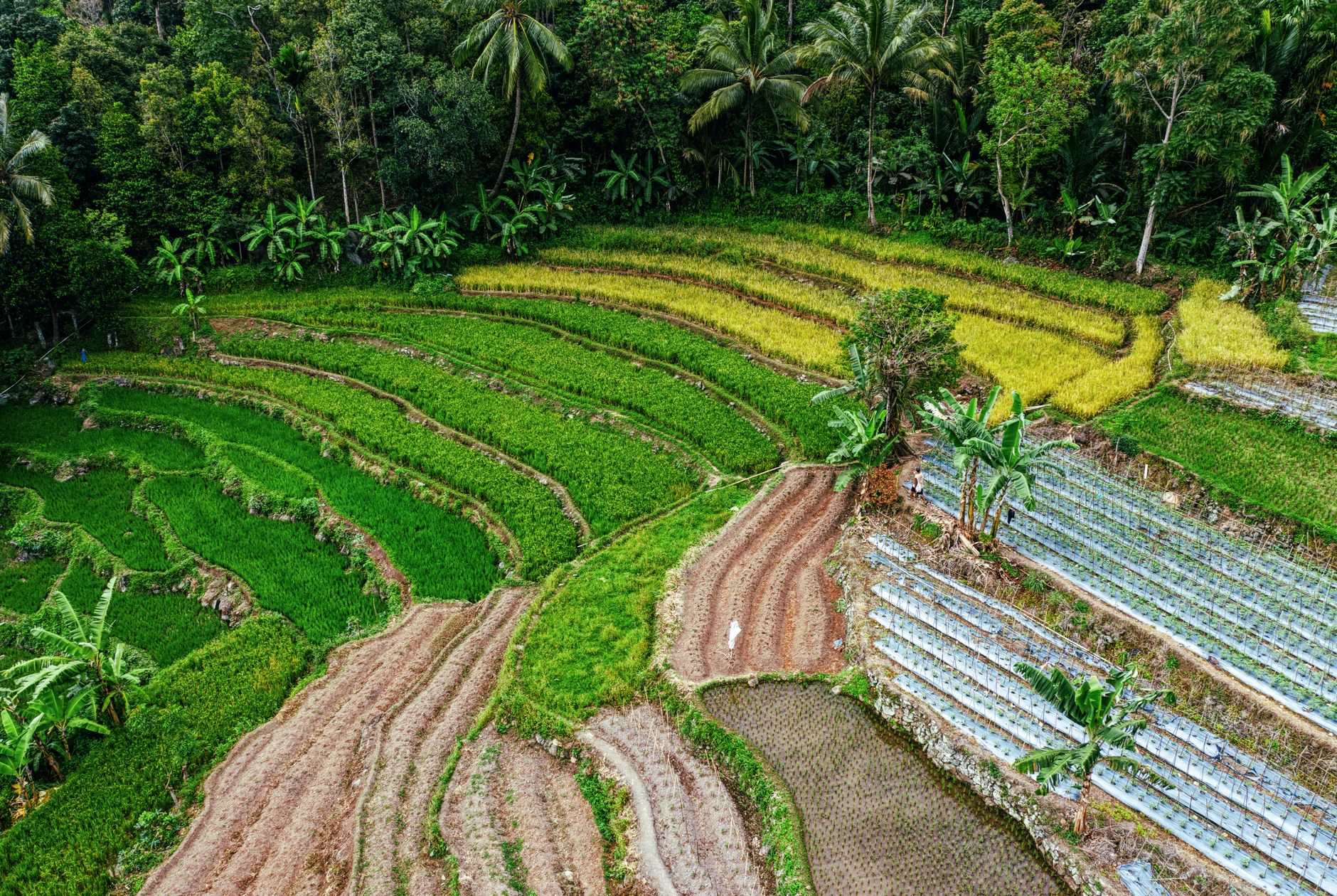
Fianarantsoa — the Betsileo capital of Madagascar’s southern highlands — is one of the country’s most rewarding places to travel on a modest budget. Set among terraced rice paddies, vineyards and pine-clad hills, the city is a hub for some of the island’s best-loved experiences: the legendary FCE railway down to the east coast, the granite domes around Ambalavao, the lemurs of Anja Community Reserve, the rainforest of Ranomafana National Park, and the small wineries that make Madagascar’s highland wine. None of these costs a fortune, which is exactly why so many travellers find Fianarantsoa such a good-value base.
This guide breaks down what a trip to Fianarantsoa really costs in 2026, from a guesthouse bed and a plate of rice at a local hotely to a day on the FCE train or a guided walk through Ranomafana. Every figure here is an approximate range — prices in Madagascar move with the season, the exchange rate and your own bargaining skills, so treat these as planning estimates and always confirm current prices on the ground. Where useful we give rough ariary equivalents using a ballpark of around 5,000 ariary to the euro, which itself fluctuates, so check the live rate when you go.
One thing to understand before you start adding up the numbers: in Fianarantsoa, the difference between a cheap trip and an expensive one comes down almost entirely to your choices, not to unavoidable costs. The city itself is inexpensive to exist in — the food is cheap, the rooms are cheap, the old town is best explored on foot, and many of the headline experiences cost little. What pushes a budget up is the level of comfort you choose for your bed and your transport, and how many of the out-of-town excursions (which carry park fees and guide costs) you decide to do. That makes Fianarantsoa a flexible destination to plan for: you can dial your spending up or down almost at will, even day by day, without losing the heart of the experience.
Accommodation costs in Fianarantsoa
Fianarantsoa offers good accommodation value across the range, from simple guesthouses in the lower town to a handful of characterful hotels with views over the old town and the rice plains. Remember that this is a small highland city, so even the top end is modest by international standards. The figures below are approximate per-night rates for two people and will shift with season and demand — always check live prices.
- Budget guesthouse / chambre d’hôte: roughly €8–18 per night (around 40,000–90,000 ariary). Expect a clean, simple room, sometimes shared facilities, often breakfast included. Excellent value for backpackers.
- Mid-range hotel: roughly €25–55 per night (around 125,000–275,000 ariary). En-suite rooms, hot water, an on-site restaurant, often a terrace or garden and views over the hills.
- Top-end / boutique: roughly €60–110 per night (around 300,000–550,000 ariary). The city’s best hotels sit here — comfortable, full-service and atmospheric, but note that for a small highland city the very top end is genuinely modest compared with Tana or the beach resorts.
A few things to keep in mind on accommodation cost. Fianarantsoa sits at altitude and gets genuinely cold and damp at night, especially in the cool, dry season (roughly May to September), so check that a budget room offers warm bedding or heating — sometimes a small extra spend on a mid-range room is worth it just for comfort. Breakfast is frequently included even at the lower end, which quietly reduces your daily food spend. Rates can creep up around the busy June-to-October window and when the FCE train is running well, so if you’re travelling in peak season, book ahead and expect the upper end of each range. Outside peak season you can often negotiate a slightly better rate, especially for multi-night stays.
You can compare current options for the highlands — including Fianarantsoa and nearby towns — for central highland stays on Agoda. For a deeper look at specific properties, see our guide to the best Fianarantsoa hotels, and for the wider region browse the best of the central highlands. Timing matters for budgeting too — our guide to the best time to visit Madagascar explains how the seasons affect both prices and availability.
Food & drink costs
Eating in Fianarantsoa is one of the quiet pleasures of a highland trip, and it is genuinely cheap if you eat where locals eat. This is Betsileo country, with hearty highland cooking, good rice and — unusually for Madagascar — a small but real local wine scene. As ever, these are approximate ranges that move with the season and the venue.
- Local hotely meal: roughly €2–4 (around 10,000–20,000 ariary) for a generous plate of rice with laoka (the accompanying dish), zebu stew or chicken. Filling, tasty and very local.
- Tourist / mid-range restaurant: roughly €5–11 (around 25,000–55,000 ariary) for a main course in a sit-down restaurant catering to visitors, often with European-style dishes alongside Malagasy classics.
- Local Betsileo wine: a glass or a bottle of highland wine is inexpensive — typically a euro or two by the glass — and trying it is one of the region’s signature treats.
- THB beer (Three Horses Beer): roughly €1–2 a bottle in a local bar, a little more in a hotel restaurant.
- Coffee: a cup of local coffee is usually well under €1 at a street café and a euro or two in a smarter spot.
As a rough daily food budget: a backpacker eating at hotely spots can manage on around €5–9/day; a mid-range traveller mixing local and tourist restaurants might spend €14–24/day; and a comfort traveller dining in hotel restaurants with a bottle of wine could spend €28+/day. Tap water is not safe to drink, so budget a little for bottled or treated water — a daily allowance for water of well under a euro is plenty.
The highlands are also a good place to enjoy a few inexpensive treats that won’t dent your budget. Locally grown coffee is excellent and cheap, the season’s fruit at the market costs very little, and street snacks such as mofo (fried dough cakes) and grilled corn are pocket change. If you want to keep food costs to an absolute minimum, follow the rhythm of the locals: a big plate of rice and laoka at lunch is the best-value meal you’ll find, and many travellers make that their main meal of the day. Conversely, if you’re treating yourself, a leisurely dinner with a bottle of Betsileo wine is one of the few ways to spend real money on food here — and even then it’s modest by European standards.
Getting to Fianarantsoa from Antananarivo
Here is where Fianarantsoa differs sharply from the highland towns closer to the capital: it is a long way south. The city lies roughly 400 km from Antananarivo down the RN7, and the journey typically takes a full day — often eight to ten hours or more by road, depending on traffic, road conditions and stops. How much it costs depends entirely on how you travel, and the gap between the cheapest and the most comfortable option is large.
- Shared taxi-brousse from Tana: roughly €8–14 per person (around 40,000–70,000 ariary). This is the local long-distance minibus — cheap and characterful, but a long, crowded day on its own schedule. The budget traveller’s go-to for the southbound haul.
- Taxi-brousse from Antsirabe: noticeably cheaper than the full Tana run, since Antsirabe is already partway south on the RN7 — a useful way to break the journey and save money by overnighting in Antsirabe first.
- Private car & driver: for the longer Tana–Fianarantsoa leg, expect roughly €70–120+ (shared between your group), more if you stop overnight or detour along the way. Far more comfortable, flexible and safer, with door-to-door service and the freedom to break the long drive at viewpoints, markets and the highland scenery of the RN7.
It’s worth weighing these options carefully, because over such a long distance the choice shapes your whole day. The taxi-brousse is unbeatable on price and is a genuine slice of Malagasy life, but the southbound run is long, cramped and unpredictable, and it drops you at the station rather than your hotel door. A private car and driver costs many times more, yet that cost is shared across everyone in the vehicle, so for a couple or a small group the per-person price narrows considerably — and you gain comfort, safety, flexible stops, and a driver who knows the route. Because the distance is so great, many travellers break the journey by spending a night in Antsirabe on the way down, which splits the drive into two manageable halves and lets you enjoy two highland towns instead of enduring one marathon day. Whichever you choose, treat the transfer as a one-off cost rather than a daily one.
For a hassle-free transfer with an English- or French-speaking driver who knows the long southern road, arrange a car & driver via Carla. For the full picture on transport across the island, read our guide to how to get around Madagascar.
Getting around town
Once you arrive, getting around Fianarantsoa is cheap. The atmospheric old upper town (Haute-Ville) is best explored on foot, and most central distances are short.
- Walking: free, and the most rewarding way to explore the steep cobbled lanes and churches of the Haute-Ville, the markets and the viewpoints over the rice plains.
- Short taxi or tuk-tuk rides: a hop across town or up the hill typically costs a few thousand ariary — roughly €1–2. Always agree the fare before you set off, as prices are negotiable and tourists are sometimes quoted more.
Because the centre is compact and the old town is walkable, many visitors spend almost nothing on local transport beyond the occasional taxi or tuk-tuk ride up the steep streets — a real boost to the daily budget. The hills are steep, though, so if you’re tired or carrying bags, a short ride is money well spent.
The FCE railway — one of the best-value experiences in Madagascar
The Fianarantsoa–Côte Est (FCE) railway is the city’s signature experience and, for what it delivers, one of the best-value days out in the country. The all-day journey winds down from the highlands through tunnels, bridges, waterfalls and tiny stations to the eastern lowlands, and the ticket is genuinely budget-friendly.
- FCE ticket: an all-day ride is an approximate, modest sum — different classes are available, with first class costing a little more than second, but even the higher class is inexpensive for a full day’s epic journey. Prices and the running schedule vary, so confirm both locally and book ahead when you can.
The main thing to budget for around the train is not the fare itself, which is small, but the practicalities: the journey is long and slow, often taking a full day, so you’ll want food and water (you can buy snacks and fruit from vendors at the stations, very cheaply), and you may need a night’s accommodation at the far end before returning. Build the train into your itinerary as a full-day commitment rather than a quick excursion. For everything you need to know about classes, timings and what to expect, see our dedicated guide to the Fianarantsoa–Côte Est railway.
Excursions & day-trips
Fianarantsoa is a launchpad for some of Madagascar’s most rewarding day-trips, and this is where most of your discretionary spending will go. The pattern is consistent: the sights themselves are inexpensive, but several carry a park or reserve entry fee plus a compulsory or strongly recommended local guide, and you’ll need transport to reach them. Approximate costs, always to be confirmed locally:
- Ambalavao day-trip: the charming town of Ambalavao, south of Fianarantsoa, is famous for its Antemoro paper workshop, its silk weaving and its weekly zebu market. The town itself is cheap to visit — your main cost is transport there and back (taxi-brousse is the budget option; a car and driver is more comfortable) plus any small workshop or entry fees.
- Anja Community Reserve: this small, community-run reserve near Ambalavao is one of the easiest and cheapest places in Madagascar to see ring-tailed lemurs up close, against a backdrop of dramatic granite cliffs. Budget for a modest entry fee plus a local guide fee — both inexpensive, and the guide is part of the experience. Combine it with Ambalavao to make a full day.
- Ranomafana National Park: this superb rainforest park east of Fianarantsoa is a wildlife highlight, home to several lemur species. Costs here are higher than the in-town sights: you’ll pay a national park entry fee plus a compulsory park guide, and you’ll need transport to and from the park (it’s a couple of hours away by road), often with a night’s stay nearby. This is usually the single biggest excursion cost from Fianarantsoa, but it’s well worth it.
- Wine tasting: the small wineries around Fianarantsoa offer inexpensive tastings of highland wine — a low-cost, characterful add-on to a day in the area.
The encouraging pattern is that the city itself and its closest sights cost very little — wandering the Haute-Ville, browsing the markets and admiring the rice plains are all free. The meaningful spending kicks in only when you do the out-of-town excursions, and even then Anja and Ambalavao are cheap. Ranomafana is the one excursion that requires real budget, because of the park fee, the compulsory guide, the transport and often an overnight. If money is tight, you can have a full, rewarding few days in Fianarantsoa built around the city, the train and the cheap Ambalavao/Anja combination, and treat Ranomafana as the splurge.
For ideas on filling your days, see our guide to things to do in Fianarantsoa.
Guides & tours
Much of Fianarantsoa can be explored independently, but a local guide adds real value — for navigating the FCE train logistics, for the Ambalavao and Anja day-trip, and (compulsorily) for Ranomafana, where a park guide is required. A half-day with a local city guide is usually affordable; agree the rate in advance. For the reserves and the national park, the guide fee is a small, fixed part of the cost and well worth it for the wildlife knowledge.
If you’d rather have everything arranged and pre-booked, browse tours on GetYourGuide, where prices are shown upfront with free cancellation on many options. For a fully bespoke itinerary that bundles the southern drive, the train, the excursions, guiding and accommodation into one clear budget, contact Carla.
A clear tiered daily budget
Pulling it all together, here is roughly what a day in Fianarantsoa might cost at three different comfort levels. These are approximate 2026 estimates for one person sharing a room, covering bed, food and local costs — your actual spend will vary, so check current prices. Note that big one-off items such as the southern transfer and a Ranomafana excursion sit on top of these daily figures.
| Tier | Daily total (approx.) | What it includes |
|---|---|---|
| Backpacker | ~€18–30/day | Budget guesthouse bed, hotely meals, walking the old town, taxi-brousse arrival, occasional tuk-tuk, the cheap FCE train and the low-cost Anja/Ambalavao combination. |
| Mid-range | ~€50–85/day | Comfortable mid-range hotel, a mix of local and tourist restaurants, a guided day-trip, the train in a higher class, occasional taxis and a glass of Betsileo wine. |
| Comfort | ~€110+/day | The city’s best hotel, restaurant dining with wine, a private car & driver for excursions, a private guide, and the bigger trips such as Ranomafana with an overnight. |
The single biggest lever on your daily cost is transport: choosing a private car and driver versus the taxi-brousse, and how much you rely on hired vehicles to reach the out-of-town reserves, will swing your budget more than any other factor. Accommodation is the second lever, and food a distant third — you’d have to dine very lavishly indeed to make eating a major part of your Fianarantsoa spend. The big variable on top of the daily figure is excursions: a Ranomafana trip with its park fee, guide, transport and overnight is the kind of one-off that can rival several days of base costs.
Remember too that these are per-day figures and many costs are shared or one-off. The transfer from Antananarivo, for example, is a single expense at the start and end of your stay rather than a daily one, and if you’re travelling as a couple or a group, the cost of a private car, a driver and a guide divides among you, bringing the real per-person comfort budget down. A solo traveller will naturally pay more per head than a pair sharing a room and a vehicle. When planning, it helps to separate your one-off costs (the southern transfer, the FCE train, a Ranomafana excursion) from your recurring daily costs (bed, food, local transport) and budget for them differently.
Money tips for Fianarantsoa
Madagascar runs largely on cash, and the local currency is the ariary. In a regional city like Fianarantsoa this matters even more than in the capital, and it matters most of all once you head out to Ambalavao, Anja, Ranomafana or along the FCE line, where ATMs are scarce or non-existent. A few practical pointers:
- Bring and carry cash: most guesthouses, hotely meals, taxi-brousse fares, train tickets, market purchases and reserve fees are cash-only. Card acceptance is limited and usually restricted to higher-end hotels.
- ATMs are limited: Fianarantsoa has ATMs, but they can run out of notes or be offline, so withdraw when you can and keep a buffer. Crucially, withdraw plenty before heading to Ambalavao, Ranomafana or onto the FCE train — you won’t find reliable ATMs out there.
- Small notes help: keep small denominations for tuk-tuk rides, tips, station snacks and market stalls.
- Exchange rate: roughly around 5,000 ariary to the euro is a useful mental benchmark, but it fluctuates — check the current rate before you travel.
For everything on currency, ATMs and paying your way, read our full Madagascar money & currency guide.
How to save — and how to do it in comfort
To save money: reach Fianarantsoa by taxi-brousse (breaking the journey in Antsirabe to save and rest), stay in guesthouses, eat at hotely spots, walk the old town, ride the cheap FCE train, and build your sightseeing around the low-cost Anja and Ambalavao day-trip. A frugal traveller can enjoy Fianarantsoa richly on €18–30 a day, plus the one-off train and transfer.
To travel in comfort: book the city’s best hotel, arrange a private car and driver for the long southern drive and the excursions, hire a private guide, do Ranomafana with an overnight, and dine in restaurants with a bottle of Betsileo wine. From around €110 a day (plus the bigger one-off excursions) you get a relaxed, well-organised trip with no logistical stress — and the freedom to linger in the Haute-Ville or along the rainforest trails on your own schedule.
Many travellers strike a happy middle: a comfortable mid-range hotel, a shared private transfer down from Tana with a night in Antsirabe, the FCE train, and a guided day at Anja and Ambalavao — the kind of trip Carla can put together to match your exact budget.
A handful of practical money-savers go a long way in Fianarantsoa. Eat your main meal at lunch in a hotely, where the food is best value, and keep dinner light. Walk the old town wherever you can — it’s the most rewarding way to see it anyway. Travel in shoulder season for lower room rates and a more relaxed pace. Share transport and guides with other travellers to split the fixed costs of the excursions. Break the long southern drive in Antsirabe rather than paying for one exhausting marathon transfer. And carry small denominations so you never overpay simply because you have no change. On the comfort side, the smartest upgrade is almost always transport: a private driver transforms the long RN7 journey and the trips out to the reserves, and because the cost is shared, it’s often the best-value splurge of the whole trip.
It’s also worth being realistic about the small extras that don’t fit neatly into any tier but quietly add up: tips for guides, drivers and porters; station snacks on the train; the odd bottle of wine or souvenir from an Ambalavao workshop; bottled water; phone data if you pick up a local SIM; and the occasional treat. None of these is large on its own, but together they can add a few euros to most days, so it’s wise to build a modest buffer into whatever daily figure you settle on. The flip side is reassuring: the biggest costs in Fianarantsoa — the transfer and Ranomafana — are predictable one-offs you can plan for, and the city itself has very few hidden or compulsory charges.
How costs compare across a typical itinerary
Fianarantsoa rarely stands alone on a Madagascar itinerary — it usually features as the southern anchor of the classic RN7 route, often paired with Antsirabe, the wider highlands, Ranomafana and the road further south towards Isalo and the coast. Understanding how its costs fit the bigger picture helps you budget the whole trip rather than just one city.
Compared with the capital, Fianarantsoa is generally gentler on the wallet for rooms and restaurant meals, and you’ll rely far less on taxis because the old town is so walkable. Compared with Antsirabe, the two highland cities are broadly similar in daily living costs, with Fianarantsoa often a touch cheaper for basic accommodation and food — the real difference is the cost of getting there, since Fianarantsoa is much further south, and the cost of its bigger excursions like Ranomafana. Compared with the famous beach destinations such as Nosy Be, the gap is wider still — coastal resort prices sit well above highland levels, so time in Fianarantsoa is an easy way to bring your average daily spend down across a longer trip. If you’re deciding between the two highland favourites, our comparison of Antsirabe vs Fianarantsoa looks at them side by side, the central highlands guide sets out the wider region, and our best of Fianarantsoa pulls the city’s highlights together.
A sensible budgeting approach for the whole journey is to set a daily figure for your chosen comfort tier, multiply it by your nights in the city, then add your one-off costs separately: the long road transfer in and out, the FCE train, a Ranomafana excursion with its park fee and overnight, souvenirs and your travel insurance. Pad the total by a comfortable margin for the unexpected — a slow taxi-brousse, a tempting silk purchase in Ambalavao, an extra night because the train schedule shifted. Fianarantsoa and its surroundings reward travellers who linger, and the good news is that, the big transfers aside, an extra day here costs very little.
Getting There & Travelling Well
Most visitors reach Fianarantsoa by road from Antananarivo, which is served by international flights into Ivato Airport. If your flight to Madagascar is delayed, cancelled or overbooked, you may be entitled to compensation — check your claim with AirAdvisor, which handles the paperwork on a no-win-no-fee basis.
Travel insurance is essential for any trip to Madagascar, where medical facilities are limited and an evacuation can be costly — and that matters all the more in a region like Fianarantsoa, far from the capital and with rainforest and rail excursions on the agenda. SafetyWing Nomad Insurance is affordable, flexible and built for long-term and independent travellers, covering medical emergencies, trip disruption and more. It is one of the smallest line items in your Fianarantsoa budget and one of the most important — sort your SafetyWing cover before you go and travel with peace of mind.
Plan your Fianarantsoa trip with Carla
Carla, our Madagascar travel specialist, can build a Fianarantsoa itinerary to fit your budget — whether that’s a lean backpacker route built around the cheap train and Anja, or a comfortable trip with the best hotel, a private driver for the long southern drive and a guided Ranomafana excursion. She’ll handle the RN7 transfer, the train, the guides, the excursions and accommodation so you know your costs upfront. Contact Carla to get a personalised plan and quote.
Frequently Asked Questions
How much should I budget for a few days in Fianarantsoa?
As a rough guide, a backpacker might spend around €54–90 over three days in the city, a mid-range traveller around €150–255, and a comfort traveller €330+ — all approximate and excluding the long transfer from Tana and any big excursion such as Ranomafana, which are one-off costs on top. Check current prices, as rates fluctuate.
Is Fianarantsoa cheaper than Antsirabe or Tana?
For daily living costs, Fianarantsoa is broadly similar to Antsirabe and generally cheaper than the capital — rooms, food and local transport tend to cost less than in Tana. The main difference isn’t the daily spend but the cost of getting there, since Fianarantsoa is much further south on the RN7, and the cost of its bigger excursions like Ranomafana.
How much is the FCE train?
The all-day FCE railway ticket is genuinely budget-friendly — an approximate, modest sum, with first class costing a little more than second class but both inexpensive for a full-day journey. Prices and the schedule vary, so confirm both locally and book ahead when you can. See our FCE railway guide for details.
Should I pay with cash or card in Fianarantsoa?
Bring cash in ariary. Most guesthouses, local meals, train tickets, reserve fees and market stalls are cash-only; cards are accepted only at some higher-end hotels. Use the city’s ATMs to top up, but withdraw plenty before heading out to Ambalavao, Anja, Ranomafana or onto the train, where ATMs are scarce.
What’s a realistic daily budget for Fianarantsoa?
Approximately €18–30/day for a backpacker, €50–85/day mid-range, and €110+/day for comfort, covering bed, food and local costs. Big one-off items like the southern transfer and a Ranomafana trip sit on top. These are 2026 estimates and fluctuate with season and exchange rate — confirm current prices when you plan.
Ready to plan your Fianarantsoa trip?
Let Carla turn these numbers into a real itinerary that fits your budget — the southern drive, the FCE train, accommodation, guides and excursions, all costed upfront with no surprises.
Contact Carla to plan your Fianarantsoa trip →
Keep reading: the best of Fianarantsoa · the FCE railway guide · Antsirabe vs Fianarantsoa.
Plan Your Trip to Madagascar
- Read the full Madagascar Travel Guide
- Explore itineraries by style and duration
- Explore the full destination guide
Where to Stay