What to Pack for a Wildlife Trip in Madagascar: Gear Checklist 2026
This post contains affiliate links. We may earn a small commission at no extra cost to you.
At a Glance
- Where to stay: Check hotel availability on Agoda — Madagascar
- Book tours: Browse Madagascar tours on GetYourGuide
A wildlife trip in Madagascar spans rainforest, savannah, spiny desert, and coastal environments — often in the same two-week itinerary. Packing correctly determines whether you spend your rainforest morning dry and focused or wet and distracted. This checklist covers all essential gear across photography, clothing, health, and navigation categories, calibrated for Madagascar’s specific conditions in 2026.
Recommended Gear for Your Madagascar Wildlife Trip
You’re Flying 10,000km to See Lemurs, Chameleons, and Fossa — Don’t Document It With a Phone Camera
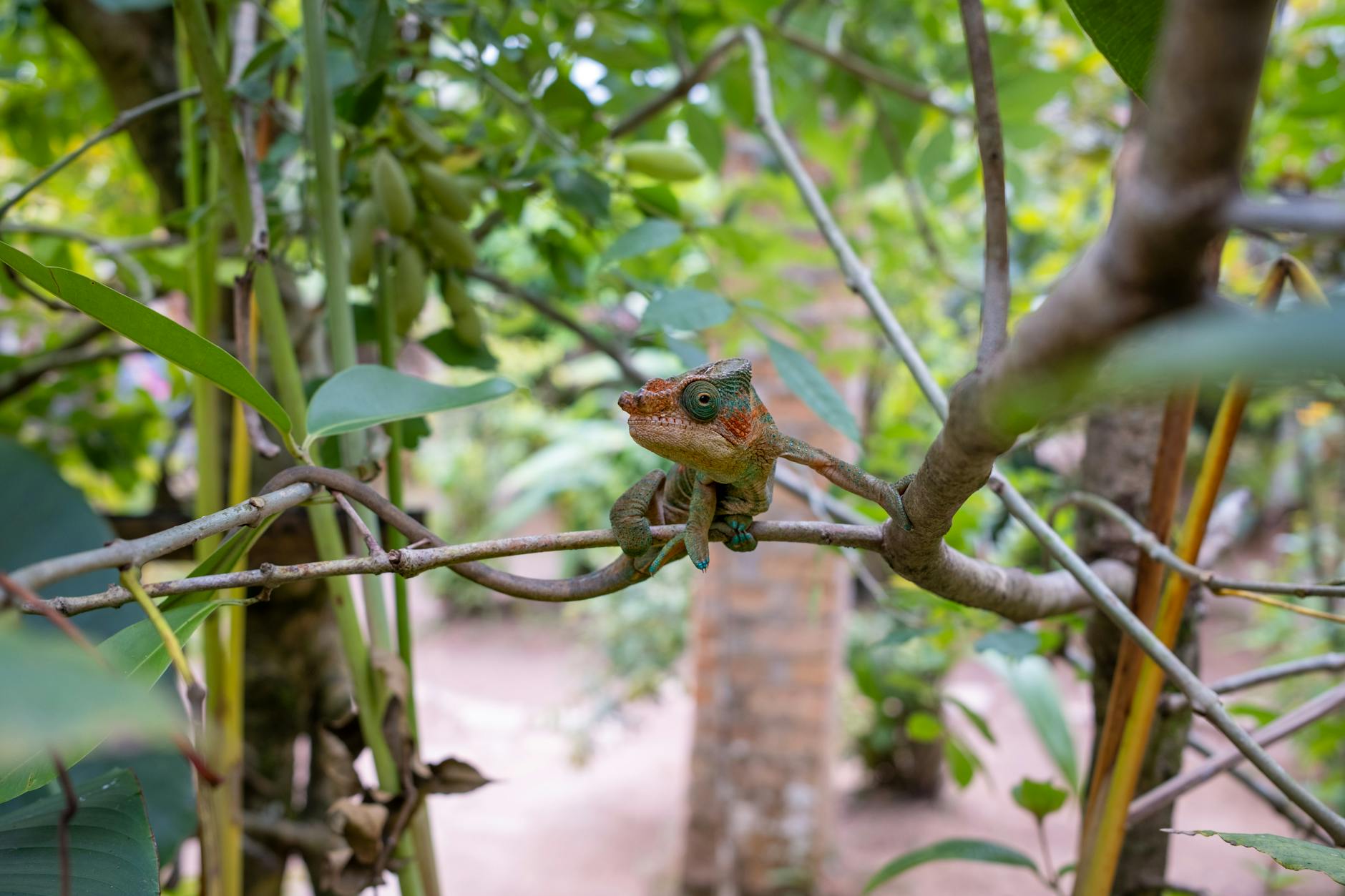
Indri lemurs calling across the canopy of Andasibe. Panther chameleons in electric blue and orange. The fossa spotted on a night walk in Kirindy. A smartphone sensor in low rainforest light produces grainy, blurred images. The Sony a6400 with Real-Time Eye Autofocus locks onto animal eyes instantly — even through undergrowth and low light. APS-C sensor, 4K video, flip-up touchscreen.
Check current price and availability on Amazon →
Madagascar Has Over 100 Species of Lemur and 280 Species of Bird — You’ll Miss Most of Them Without Binoculars
Sifaka lemurs leap between canopy trees 30 metres up. The Madagascar fish eagle perches on a branch 200 metres across a lake. Without binoculars, you’re looking at distant shapes and taking your guide’s word for it. The Vortex Diamondback HD 10×42 delivers HD optical clarity with edge-to-edge sharpness. Waterproof, fog-proof, backed by Vortex’s unconditional lifetime warranty.
Check current price and availability on Amazon →
Madagascar Goes Completely Dark After Sunset — Don’t Navigate It Blind
Outside of Antananarivo’s main streets, Madagascar has virtually no street lighting. Wildlife walks in Ankarana, night lemur spotting in Ranomafana, the path to your bungalow — all navigated in total darkness. The Black Diamond Spot 400-R delivers 400 lumens with a 100-metre beam, USB-C rechargeable, IPX8 waterproof, with red night-vision mode for wildlife observation without disturbing animals.
Check current price and availability on Amazon →
Madagascar Has Some of the Highest Malaria Risk in the World
The rainforests of Andasibe, the wetlands of Morondava, the rice paddies outside every village — mosquitoes are relentless and bite at dusk and dawn. DEET burns skin and destroys gear. Natrapel 20% Picaridin is the CDC-recommended alternative that repels mosquitoes, ticks, and sandflies for up to 12 hours without damaging your equipment.
Check current price and availability on Amazon →
No Grid, No Problem — Charge Your Devices From the Sun in Madagascar’s Remote Parks
Marojejy. Andringitra. Tsingy de Bemaraha. Madagascar’s most spectacular parks are its most isolated — no power outlets, no phone signal. A 3-day wilderness circuit means running on whatever charge you left camp with. The BLAVOR Solar Power Bank pairs 10,000mAh with a fold-out solar panel that recharges itself from sunlight as you trek.
Check current price and availability on Amazon →
Madagascar’s Power Cuts Will Kill Your Phone — Here’s 4 Full Charges of Insurance
Délestage — Madagascar’s rolling blackouts — can last 8 to 14 hours a day. Your navigation app, offline maps, and boarding pass for tomorrow’s Tsaradia flight will all be dead. The Anker PowerCore 20,000mAh gives 4 full phone charges with fast USB-C delivery. Charge it during the hotel’s morning power window and you’re covered all day.
Check current price and availability on Amazon →
Madagascar Uses European Plugs Only — Your North American Charger Won’t Work Without This
Madagascar runs on Type C and E/F European plugs, 220V. North American plugs don’t fit. The TESSAN European adapter accepts North American plugs and adds 2 USB ports, so you can charge your phone and power bank simultaneously from a single outlet. Compact, grounded — one of those items that’s obvious in hindsight and impossible to find when you need it.
Check current price and availability on Amazon →
One Adapter for Every Country on Your Madagascar Journey — Including Stopovers in Paris or Réunion
Many travellers reach Madagascar via Paris CDG or Réunion — and face a different outlet at each stop. The GaN Universal Adapter covers all outlet types worldwide with USB-C PD fast charging — one device, 4 ports, every country. GaN technology runs cooler and charges faster than standard adapters.
Check current price and availability on Amazon →
Plan your Madagascar trip:
Clothing and Footwear for Madagascar Wildlife
Lightweight long trousers and long-sleeve shirts in neutral or dark green tones are the core of a Madagascar wildlife wardrobe. Avoid bright colours and white — they disturb wildlife and attract insects. Two pairs of robust waterproof hiking boots are strongly recommended — one will always be wet in rainforest parks like Ranomafana and Masoala. Gaiters are essential for Ranomafana and Marojejy where leeches are endemic. A lightweight waterproof jacket (Gore-Tex or equivalent) handles afternoon showers. For coastal areas like Nosy Be, pack quick-dry shorts and a rash guard for snorkelling. A warm layer (fleece or light down jacket) is needed for highland evenings in Andasibe and the Andringitra highlands, where overnight temperatures can drop below 10 degrees Celsius. Sandals for lodges reduce boot wear and allow feet to dry between walks.
Optical and Photography Equipment
A binocular is non-negotiable for Madagascar wildlife — 8×42 or 10×42 are ideal for the forest interior’s lower light conditions. A monocular is a lightweight backup for spontaneous sightings. For photography, a telephoto lens of 400–500mm equivalent allows bird and lemur shots at reasonable distances. A macro lens or close-up filter captures the extraordinary chameleon and nudibranch diversity at close range. A waterproof camera housing or dry bag is essential for wet-season rainforest days and boat transfers. Extra camera batteries are critical — charging infrastructure at remote lodges is unreliable and USB-C portable banks are the most practical backup. A headlamp with a red filter mode is required for night walks — it preserves guide-located targets’ behaviour. Bring twice the memory cards you expect to use.
Read also:
Save money on your Madagascar trip:
Health, Hygiene, and First Aid for Madagascar
Malaria prophylaxis is required for all regions of Madagascar except above 2,000 metres — consult a travel clinic 6–8 weeks before departure for antimalarial prescription. Deet-based insect repellent (30–50% concentration) is essential, particularly at dusk and dawn near forest margins. Water purification tablets or a SteriPen filter are needed for any multi-day trek where tap water is unavailable. A basic first aid kit should include blister treatment (rainforest walks generate blisters reliably), antiseptic for minor cuts, oral rehydration salts for heat exhaustion risk in southern parks, and a digital thermometer. Leech socks or strong rubber bands seal boot tops against Ranomafana’s endemic leeches. Prescription medications should be carried in sufficient quantity for the entire trip — the only reliable pharmacy is in Antananarivo.
Navigation, Connectivity, and Documents
Download Maps.me and OsmAnd offline maps for Madagascar before departure — Google Maps coverage is unreliable in national park areas and on back roads. A GPS device (Garmin or equivalent) adds navigation certainty for multi-day treks. An Orange Madagascar or Telma SIM card purchased at Ivato Airport gives functional data coverage in towns but expect no signal in national park interiors. A local number also facilitates communication with guides and operators. Travel insurance certificates should be printed and stored separately from your phone. Carry photocopies of passport, visa, and vaccination certificate stored independently from originals. A portable solar charger or 20,000+ mAh power bank covers up to five days without reliable electricity in remote lodges. Most lodges charge in Ariary — carry sufficient cash from Antananarivo as ATMs are not available in park areas.
Ready to book your Madagascar trip?
Frequently Asked Questions
Do I need malaria tablets for Madagascar?
Yes. Malaria is present throughout Madagascar except above 2,000 metres. Consult a travel health clinic 6–8 weeks before departure to get an antimalarial prescription suited to your itinerary.
What footwear is best for Madagascar wildlife trekking?
Waterproof hiking boots are essential. Bring two pairs — one will always be wet in rainforest parks. Add gaiters for Ranomafana and Marojejy where ground leeches are common.
Can I use my home SIM card in Madagascar?
Roaming rates are extremely high. Buy an Orange Madagascar or Telma prepaid SIM at Ivato Airport for affordable local data and calls. Orange generally has the best coverage in park-adjacent towns.
Packing correctly for Madagascar’s wildlife zones removes friction from every day of your trip. The key items — waterproof boots, insect repellent, malaria prophylaxis, a quality binocular, and a generous power bank — are non-negotiable. Get them sorted before you fly, carry enough Ariary cash, and the logistics of Madagascar’s extraordinary wildlife circuit will look after themselves.
Flight delayed or cancelled? Flights to Madagascar often connect through Paris or Nairobi. EU regulation EC 261 may entitle you to up to €600 in compensation. Check your claim free on AirAdvisor →
Plan Your Trip to Madagascar
- Read the full Madagascar Travel Guide
- Explore itineraries by style and duration
- Explore the full destination guide
Where to Stay
Hotels, lodges, and tours fill fast for July–September — compare availability now.