Where to See Chameleons in Madagascar 2026: Which Destination Is Right for You?
Affiliate disclosure: This article contains sponsored links to hotels, tour operators, insurance providers, and other travel services. We earn a small commission if you book through our links, at no extra cost to you.
Where to See Chameleons in Madagascar 2026 — At a Glance
- Andasibe (east): the most accessible — Parson’s chameleon, many Calumma, and Brookesia on night walks
- Ranomafana (RN7 south): rich rainforest variety, giants to leaf chameleons
- Montagne d’Ambre (far north): a chameleon and reptile hotspot, superb for Brookesia
- Nosy Be & the north: the colourful panther chameleon, an easy beach add-on
- Dry south & west: Oustalet’s and the distinctive Furcifer of the spiny forest
- The verdict: the rainforest parks for variety and night walks; the north for the panther; combine for the most species
- Flight protection: EU261 €600 per passenger on disrupted European flights
- Travel insurance: SafetyWing Nomad Insurance — essential for park and night-walk travel
- Where to stay: Madagascar stays on Agoda
🐿 Wildlife-Watching Gear for Madagascar
The right kit turns a good wildlife trip into a great one:
- 8×42 binoculars — essential for spotting lemurs and chameleons in the canopy. See on Amazon →
- Rechargeable headlamp — essential for night walks; red mode won’t disturb wildlife. See on Amazon →
- Trekking poles — ultralight support for long park hikes. See on Amazon →
- Hiking daypack — comfortable pack for water, camera and layers. See on Amazon →
- Picaridin insect repellent — DEET-free protection against malaria mosquitoes. See on Amazon →
As an Amazon Associate we earn from qualifying purchases.
Chameleons live across Madagascar, but the parks and regions differ greatly in the species they hold, the ease of finding them, and the experience they offer — so the natural question for anyone keen on these extraordinary reptiles is: where should I go? This guide compares the top chameleon destinations — Andasibe, Ranomafana, Montagne d’Ambre, Nosy Be and the north, and the dry south and west — across the factors that matter, so you can choose the one (or the combination) that’s right for your trip. Helpfully, the best chameleon-watching overlaps with the best lemur-watching, so a single wildlife trip delivers both. For the animals themselves, see our types of chameleons guide; for the full overview, our complete chameleons of Madagascar guide.
The short answer: for the easiest chameleon-watching and the giant Parson’s, go to Andasibe in the east; for the richest rainforest variety, Ranomafana; for a reptile hotspot heavy on Brookesia, Montagne d’Ambre in the far north; for the dazzling panther chameleon, Nosy Be and the north; and for the dry-country Furcifer, the south and west. Most chameleon-rich trips combine several regions, since different species live in different habitats — but if you must choose, this guide helps you match the destination to the chameleons you most want to see.
It helps to decide what you’re after: the most species, a specific headline chameleon, the easiest access, or a particular kind of trip. Each destination excels at something different, and because chameleons share the lemurs’ parks, your broader wildlife itinerary often points to the right answer. Below we profile each, then compare them head to head. One thing worth saying up front: there is no single “best” chameleon park, because they’re not really competing — they hold different species in different habitats and suit different kinds of trip. The eastern parks are rainforest, the north is warm beach-and-forest, the south and west are dry country, and Montagne d’Ambre is cool montane forest. So the right question isn’t “which is best?” but “which fits my trip, my time, and the chameleons I most want to see?” — and that’s exactly what this comparison answers.
A Closer Look at Each Chameleon Destination
Andasibe-Mantadia — the accessible all-rounder
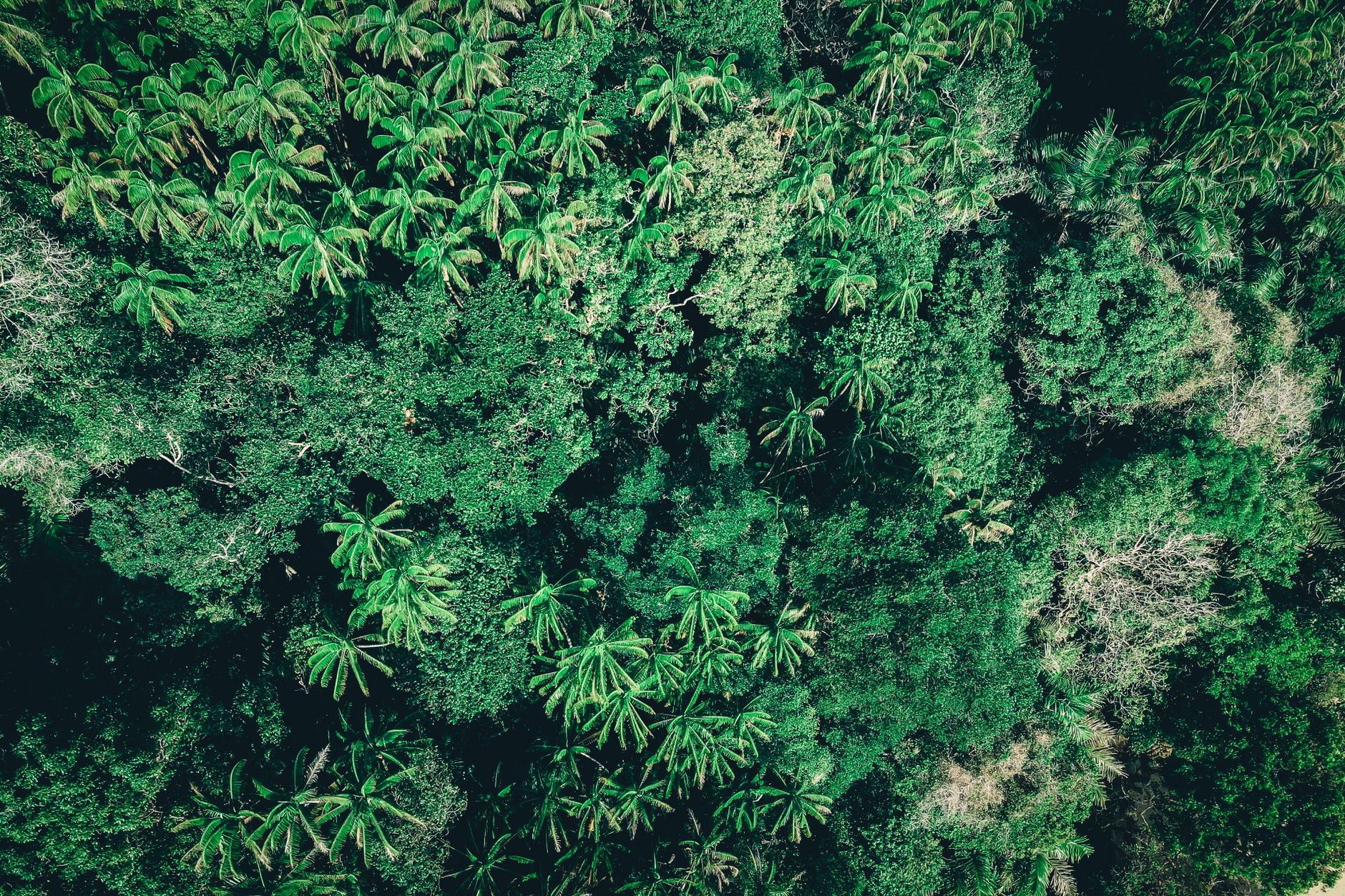
Andasibe, in the east just three to four hours from the capital on a paved road, is the most accessible chameleon destination and a superb all-rounder. Its eastern rainforest holds the giant Parson’s chameleon, a wealth of Calumma species (including the nose-horned), and, on night walks, the tiny Brookesia leaf chameleons — a rich cross-section of Madagascar’s chameleons in one easy-to-reach park. Combined with its lemurs, including the indri, Andasibe is the ideal first wildlife stop, reached without flights or rough roads. The hiking can be muddy, so travel insurance that covers hiking is sensible. See our Andasibe-Mantadia guide. What makes Andasibe such a good chameleon destination is the combination of richness and ease: you can be among Parson’s chameleons and nose-horned Calumma within an afternoon of leaving the capital, and the guided night walks along the forest edge reliably turn up Brookesia and sleeping chameleons of several species. For most travellers, a night or two here delivers a genuinely representative slice of Madagascar’s chameleons with the least effort of any park — which is exactly why it opens so many wildlife itineraries.
Ranomafana — the rainforest variety
Ranomafana, on the RN7 in the southeast, is a wilder, even more biodiverse rainforest that rivals Andasibe for chameleon variety — Parson’s and other large species, many Calumma, and Brookesia among the leaf litter, found on its steep, misty trails by day and night. As one of Madagascar’s richest reptile and amphibian parks, it rewards the dedicated chameleon-watcher with a long species list, though it sits well south of the capital and is reached as part of the RN7 journey. For variety in a single rainforest park, Ranomafana is among the very best. See our Ranomafana guide. Because it sits on the RN7, Ranomafana is rarely a standalone chameleon trip; it comes as part of the southern journey, paired with the ring-tailed lemurs of Anja and the canyons of Isalo, with the chameleons a rich bonus on the same day and night walks that turn up the bamboo lemurs. Its montane forest is wet and steep, so come prepared for mud — but that dampness is exactly why the reptile and amphibian life is so abundant, and a guided night walk here is one of the most productive in the country.
Montagne d’Ambre — the northern reptile hotspot
Montagne d’Ambre National Park, in the far north near Diego Suarez, is a renowned chameleon and reptile hotspot, its montane rainforest holding a remarkable density of species — including several tiny Brookesia (the park is famous for them) and colourful Calumma found nowhere else. Cooler and lush, with waterfalls and crater lakes, it’s a rewarding park for the keen herper willing to reach the far north, and it pairs naturally with the Diego area and a northern itinerary. For travellers specifically seeking the leaf chameleons and the north’s endemic reptiles, Montagne d’Ambre is a standout, if less-visited, destination. The park’s cool, misty forest, threaded with waterfalls and crater lakes, is a pleasure to walk in its own right, and its reputation among herpetologists is considerable — it has yielded several reptile and amphibian species new to science. It pairs naturally with the far-north highlights around Diego, so travellers already drawn to that wild corner can fold in some of Madagascar’s best Brookesia-watching, while those focused on chameleons specifically may make the journey for the park alone.
Nosy Be and the north — the panther chameleon
The warm north, including the beach island of Nosy Be and the area around Diego, is the place for the dazzling panther chameleon, whose males blaze in the famous regional colour forms — the electric blue-green of Nosy Be, the fiery reds of Ambilobe. Relatively bold and visible in bushes and roadside vegetation, the panther is one of the easiest large chameleons to find and the favourite of photographers. For travellers whose trip centres on the northern beaches, the panther chameleon is a brilliant, low-effort wildlife bonus. See our northern Madagascar guide. The north’s appeal for chameleons is that it pairs the easiest of beach holidays with one of the most photogenic reptiles on Earth: a short guided outing from a Nosy Be resort, or a stop on the drive around Diego, can yield a vivid male panther without any rainforest trekking at all. For travellers who want the colour and the camera-friendly subject more than the full diversity, the north delivers the chameleon most people picture, in the most relaxed setting.
The dry south and west — the Furcifer of the spiny forest
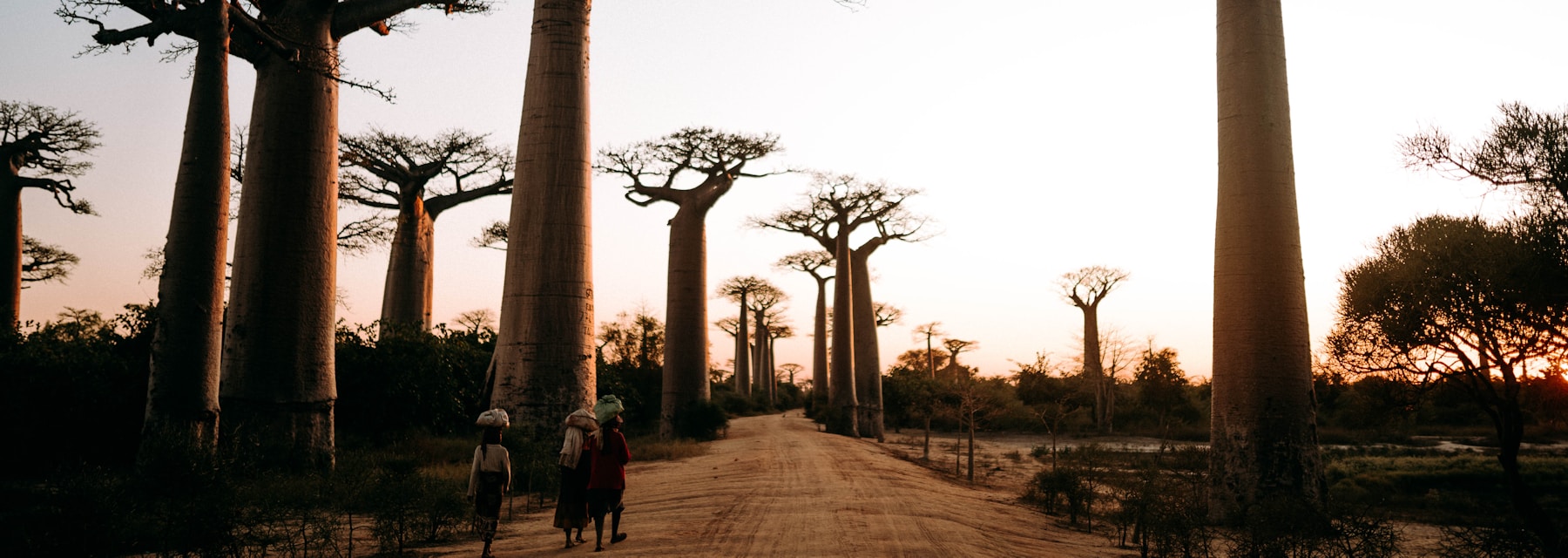
The dry forests of the south and west — around Isalo, the spiny forest, and the western parks like Kirindy — hold the large, adaptable Oustalet’s chameleon and a range of distinctive dry-country Furcifer species, set among baobabs and arid scenery quite different from the rainforest. These are seen alongside the region’s lemurs and landscapes on a southern or western journey, adding chameleon variety beyond the rainforest species. For travellers already exploring the RN7 south or the west, the dry-country chameleons are a characterful addition, even if the region holds fewer species overall than the rainforests. The appeal here is context as much as the chameleons themselves: seeing an imposing Oustalet’s draped over a spiny-forest shrub, or a small Furcifer among the baobabs, set against the arid, otherworldly landscapes of the south and west, is a quite different experience from the dripping rainforest. You won’t tally as many species as in the east, but the dry-country chameleons add welcome variety and a sense of just how completely Madagascar’s reptiles have adapted to every corner of the island.
Where to See Chameleons: The Head-to-Head
Variety and number of species
The rainforest parks win — Ranomafana and Andasibe lead, with Montagne d’Ambre close behind. The eastern and northern rainforests hold by far the greatest chameleon diversity, from the giant Parson’s to the tiny Brookesia and a wealth of Calumma, so a single visit to Ranomafana or Andasibe can turn up many species across day and night walks. Montagne d’Ambre is especially rich in Brookesia. The north’s beach areas and the dry south and west hold fewer species, though their headline chameleons (the panther, Oustalet’s) are special. For the longest chameleon list from one place, the eastern rainforests are unbeatable. The reason is habitat: rainforest supports a far denser, more varied chameleon community than dry country or beach scrub, packing giants, mid-sized Calumma, and the floor-dwelling Brookesia into the same patch of forest. So if your goal is simply to see as many chameleon species as possible, a couple of rainforest parks (Andasibe plus Ranomafana, say) will out-perform any other combination — and a single thorough park, worked by day and night, will still surprise you with its tally.
The headline species
It depends which chameleon you most want. For the giant Parson’s chameleon, the eastern rainforests (Andasibe, Ranomafana). For the dazzling panther chameleon, the north (Nosy Be, Diego). For the tiny Brookesia leaf chameleons, the rainforests and especially Montagne d’Ambre. For the large, widespread Oustalet’s, the dry areas. Each destination owns a headline chameleon, so if one species tops your list — the photogenic panther, say, or the giant Parson’s — that decides where to go. Picking your dream chameleon and letting the destination follow is often the clearest way to choose. Many travellers arrive with one image in mind — the colour-shifting panther, the prehistoric Parson’s, the impossibly tiny Brookesia — and building the trip around that single dream sighting is a perfectly good strategy, with the other species you meet along the way a welcome bonus. And because each headline chameleon sits in a region that offers much else besides, choosing by species rarely costs you the rest of the trip’s variety.
Accessibility
Andasibe wins decisively, with Nosy Be easy too. Andasibe is just hours from the capital on a paved road, visitable on a short trip with no flights. Nosy Be’s panther chameleons are an easy add-on to a beach holiday. Ranomafana requires the journey south on the RN7; Montagne d’Ambre and the dry-west parks are further still, needing flights or long drives. If ease of access matters — for a short trip or a first chameleon encounter — Andasibe is the clear choice, and the reason it tops most itineraries. The more remote parks reward those with the time to reach them with their special species. This accessibility gap shapes most chameleon trips: the eastern and northern-beach options slot into almost any itinerary, while Montagne d’Ambre and the western parks effectively require you to build the trip around reaching them. For a first visit or a short trip, that usually points to Andasibe or a Nosy Be add-on; for a dedicated reptile expedition, the remoter hotspots become worth the extra travel.
Day versus night
Everywhere, the night walks win for chameleons. This is true at every destination: most chameleons turn pale as they sleep and stand out vividly under a torch, so a guided night walk reliably turns up far more individuals and species — including the otherwise near-invisible Brookesia — than a daytime search. By day, the larger species like Parson’s and the panther can be found by a skilled guide, but the night is when chameleon-watching truly comes alive. Wherever you go, prioritise the parks and lodges that offer good guided night walks, and plan to do several. This single factor matters more than the choice of park for many travellers: a destination you reach easily but visit only by day will likely yield fewer chameleons than a slightly harder one where you commit to two or three night walks. So when comparing destinations, weigh not just where they are but how good their night-walking is — and build evenings into your itinerary rather than treating them as an optional extra. The chameleons, quite literally, come out at night.
Combining with other wildlife
All combine perfectly with lemurs and the rest. The great convenience is that chameleons share the lemurs’ parks, so every destination here doubles as a lemur and general wildlife stop: Andasibe and Ranomafana for the rainforest lemurs and chameleons together, the north for beaches plus panther chameleons, the dry south and west for the sifakas and Oustalet’s alongside the baobabs. This means you rarely choose a destination for chameleons alone — your broader wildlife itinerary delivers them as a matter of course. See our where to see lemurs guide to plan the combination. This is the single biggest practical point about chameleon-watching in Madagascar: it almost never requires its own dedicated trip. The decision of where to go is really the decision of where to go for wildlife generally, and the chameleons ride along. For the rare traveller who is here chiefly for the reptiles, the same parks simply shift to centre stage, with the night walks and the Brookesia hotspots prioritised — but for everyone else, the chameleons are a glorious, no-extra-cost enrichment of the trip they were already taking.
Cost
Andasibe is cheapest to reach; Montagne d’Ambre and the dry-west parks the priciest. All the parks charge similar modest fees and guides, so the real cost difference is access: Andasibe’s short transfer keeps it cheap, while the far north and the western parks need flights or long drives. So a short Andasibe or RN7-based chameleon trip is excellent value, while the remote reptile hotspots are a bigger investment. Browse Madagascar stays on Agoda to compare lodging near each. For full budgeting, see our reptile tour cost guide. Because the chameleons come included on trips most travellers take anyway, they add essentially nothing to the budget at the accessible parks — the park fee and guide that find you a lemur find you a Parson’s chameleon too. The only chameleon-specific cost worth weighing is the flights or long drives to the remote reptile hotspots, which is why the best-value chameleon-watching is firmly in the east and the north, with the far-flung parks reserved for the dedicated.
Which Destination Is Right for You?
First-time visitors and short trips: Andasibe — the most accessible, with Parson’s, many Calumma, and Brookesia, reached without flights. The ideal first chameleon destination.
Dedicated reptile enthusiasts: Ranomafana and Montagne d’Ambre — the richest rainforest variety and the Brookesia hotspots, for the longest species list.
Photographers after the panther chameleon: Nosy Be and the north — the dazzling regional colour forms, relatively easy to find and photograph.
Those who want the giant Parson’s: the eastern rainforests (Andasibe, Ranomafana) — the only place to see the cat-sized giant.
Beach travellers: Nosy Be — panther chameleons as an easy add-on to a northern beach holiday, often on a short guided outing from the resort.
Travellers on the RN7 or in the west: Ranomafana and the dry-country parks — chameleons woven into the southern or western journey.
Can You Combine Them?
Yes — and because chameleons share the lemurs’ parks, combining destinations is the natural way to travel Madagascar rather than an extra effort. A classic eastern or RN7 wildlife trip — Andasibe, Ranomafana, and the southern parks — delivers Parson’s, Oustalet’s, many Calumma, and the Brookesia alongside the lemurs, on the same walks. Adding the north (Nosy Be or Montagne d’Ambre) brings the panther chameleon and the northern Brookesia, and a far-north reptile-focused leg adds Montagne d’Ambre’s specialities. The more regions and habitats you combine — rainforest, north, dry country — the more chameleon species you’ll see, potentially a couple of dozen across a longer trip.
The practical limit is time and the cost of reaching the remoter parks. For most travellers, the eastern rainforests plus a northern leg deliver the great majority of the headline chameleons; the dry-west and far-north reptile hotspots are for those with the time and the dedication. A specialist can sequence the parks to maximise the species you see while keeping the logistics smooth. If you’re unsure how to combine them within your available days, Carla, our Madagascar-resident specialist, can build an itinerary that visits the right destinations for your wish-list chameleons, with the best guides and the all-important night walks handled. For tour structures, see our reptile tour packages guide.
The Bottom Line
There’s no single best place to see chameleons — only the best fit for your priorities. For the easiest access and the giant Parson’s, Andasibe; for the richest rainforest variety, Ranomafana; for the Brookesia hotspot, Montagne d’Ambre; for the dazzling panther, Nosy Be and the north; and for the dry-country Furcifer, the south and west. Most travellers combine several, and because chameleons share the lemurs’ parks, the classic wildlife routes deliver them as a matter of course. Decide what you most want — variety, a specific species, easy access, or a particular region — and the right destination follows. And there are no bad choices: every destination here delivers a genuine, memorable encounter with creatures found nowhere else on Earth. And since chameleons share the lemurs’ parks, you needn’t trade one wildlife highlight for another: the trip that shows you the indri or the bamboo lemurs will also, on the same walks, reveal the giant Parson’s, a colour-shifting panther, or a fingertip-sized Brookesia. Choose your route for the wildlife you most want, do the night walks, and the chameleons will be among the most memorable encounters of all.
Flight delayed or cancelled on the way to Madagascar? Every chameleon destination is reached by flying into Antananarivo first, and international delays do happen. If your flight is delayed 3+ hours, cancelled, or overbooked, you may be owed up to €600 in compensation. Check your flight with AirAdvisor — it’s free, takes two minutes, and they only take a cut if you win.
Frequently Asked Questions
Where is the best place to see chameleons in Madagascar?
It depends what you want: Andasibe for the easiest access and Parson’s chameleon, Ranomafana for the richest rainforest variety, Montagne d’Ambre for the Brookesia hotspot, Nosy Be and the north for the panther chameleon, and the dry south and west for Oustalet’s. Most trips combine several.
Where can I see the panther chameleon?
In the warm north — around Nosy Be and Diego Suarez — where the males show the famous regional colour forms (the blue of Nosy Be, the red of Ambilobe). It’s an easy add-on to a northern beach trip, often on a short guided outing. See our northern Madagascar guide.
Where can I see Parson’s chameleon?
In the eastern rainforests — Andasibe and Ranomafana — the only places to see the giant, cat-sized Parson’s chameleon, often led straight to a known individual by a good, experienced guide.
Which park has the most chameleon species?
The eastern and northern rainforests — Ranomafana, Andasibe, and Montagne d’Ambre — hold the greatest variety, from giants to the tiny Brookesia. A single rainforest park visited well, day and night, can turn up many species, and combining two or three regions yields the fullest list.
What’s the best way to find chameleons?
A guided night walk at any destination — sleeping chameleons turn pale and stand out under a torch, revealing far more species (including the tiny Brookesia) than a daytime search. A skilled local guide is essential for finding the camouflaged, motionless animals by day.
Do I need travel insurance to visit the chameleon parks?
Yes — essential, covering rainforest hiking, night walks, and medical evacuation from parks far from major hospitals. Comprehensive coverage is a must; confirm it covers hiking before you go.
🧭 Plan Your Chameleon-Watching Trip With Carla
Andasibe, Ranomafana, the north, and beyond — see the chameleons you most want, in the right parks. Reach out to Carla, our Madagascar-resident specialist, to build a wildlife trip combining the best chameleon destinations for your wish list, with guides and night walks handled.
Plan Your Trip to Madagascar
- Read the full Madagascar Travel Guide
- Explore itineraries by style and duration
- Best Tours and Guided Experiences
Where to Stay