Andringitra Trip Cost 2026: Park Fees, Guides, Porters & Full Budget
Affiliate disclosure: This article contains sponsored links to hotels, tour operators, insurance providers, and other travel services. We earn a small commission if you book through our links, at no extra cost to you.
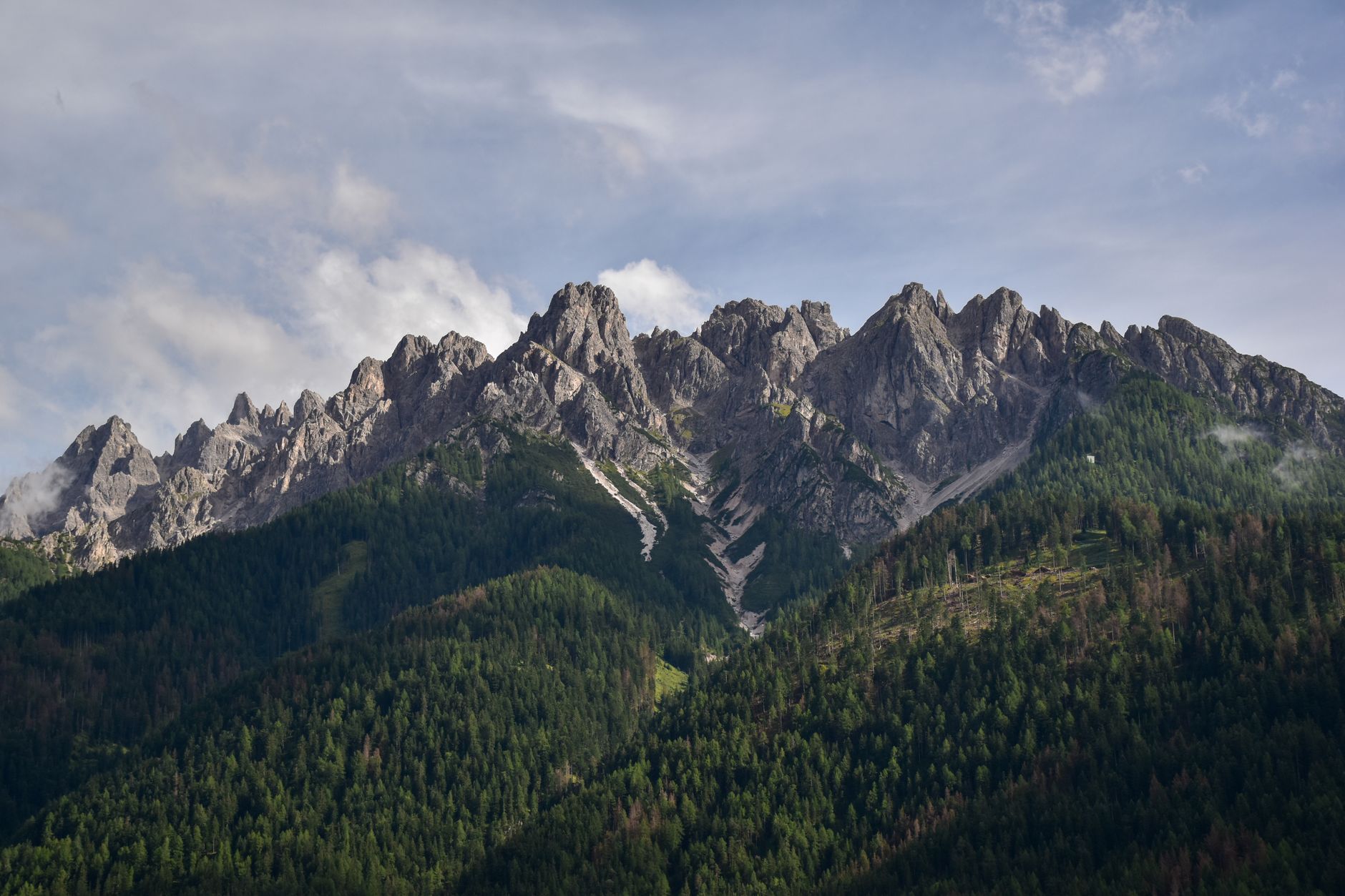
At a Glance — what an Andringitra trip costs (approximate, 2026)
A simple day visit to Andringitra National Park (park permit, a compulsory local guide and transport from Ambalavao) typically lands somewhere around €25–€55 per person once costs are shared in a small group. A guided 2–3 day Pic Boby trek — Madagascar’s second-highest summit — with porters, a cooking team, camping and 4×4 transfers usually works out to roughly €120–€350 per person depending on group size and comfort level. All figures here are approximate ranges only — rates fluctuate, and you should always check current Madagascar National Parks (MNP) fees and local prices before you travel.
- Compare lodges near the park on Agoda
- Plan and price your trip with contact Carla
- Arrange a reliable car & driver via Carla
- Browse guided treks on GetYourGuide
- Flight delayed or cancelled getting to Madagascar? Check your compensation with AirAdvisor
- Cover the trek with SafetyWing Nomad Insurance
💰 Carry Your Cash Safely in Madagascar
Madagascar runs largely on cash. Keep your money secure:
- Hidden money belt — keeps cash and passport out of a pickpocket’s reach. See on Amazon →
- RFID-blocking wallet — organises cards and blocks electronic skimming. See on Amazon →
- Neck wallet / passport pouch — discreet document holder for transit days. See on Amazon →
As an Amazon Associate we earn from qualifying purchases.
Andringitra is one of the most rewarding — and most misunderstood — destinations in Madagascar when it comes to budgeting. People often assume that because the park sits deep in the southern highlands and feels genuinely wild, it must be expensive. In reality, the costs are made up of several small, separate pieces: a park permit, a guide, possibly porters, transport, food, camping and a few tips. None of them is huge on its own, but they add up, and it’s the combination that catches travellers off guard. This guide breaks each piece down so you can see exactly where your money goes and build a budget that fits your style — whether you want a frugal do-it-yourself ascent of Pic Boby or a comfortable, fully organised expedition.
Before we dive in, one honest caveat: prices in Madagascar move. The ariary fluctuates, MNP revises its permit schedule periodically, fuel costs swing, and what a guide or porter charged last season may not match this season. Treat every number below as an approximate 2026 range, not a quote. The smart move is to confirm current figures locally — at the MNP office, with your guide association in Ambalavao, or by asking a trusted planner — before you commit. For broader context on national-park costs and logistics across the country, our guide to Madagascar’s best national parks and reserves is a useful companion read.
Park entry fees (Madagascar National Parks / MNP permits)
Every visitor to Andringitra National Park needs a permit from Madagascar National Parks (MNP), the state body that manages the protected areas. Permits are sold per person, per day, and — as at almost every park in the country — foreign visitors pay considerably more than Malagasy nationals. As an approximate 2026 guide, a foreign adult day permit tends to sit somewhere in the region of €10–€18 per day (very roughly 50,000–90,000 ariary, using an approximation of around 5,000 ariary to the euro — rates fluctuate). Children usually pay a reduced rate.
The key thing to understand is that the permit is charged per day of presence in the park. A one-day visit means one day’s permit; a two-night Pic Boby trek that has you inside the park boundary across three calendar days can mean paying for three permit-days. That multiplication is exactly why a multi-day trek’s “entry” cost is noticeably higher than people expect. Always confirm the current MNP fee schedule — it is revised periodically and the figures above are approximate only.
Compulsory guide fees
A local guide is mandatory in Andringitra — you cannot legally walk the trails alone. This is genuinely a good thing: the routes (especially the Pic Boby circuit) are exposed, the weather turns fast, and a guide reads the terrain, manages your timing and brings the place alive. Guides are organised through the local association and charged per group, per day rather than per person, so the cost shrinks dramatically when you share it.
As an approximate range, expect a guide fee of roughly €12–€25 per group per day for a standard walk, scaling up for the longer, harder Pic Boby itinerary. Specialist or summit guides on the multi-day circuit may charge a little more. Because it’s a per-group fee, two friends splitting a guide pay half each of what a solo traveller pays — one of the biggest single levers for bringing your per-person cost down. For the full picture on routes and itineraries, see our Andringitra trekking and Pic Boby guide.
Porters — usually needed for multi-day treks
For a day walk you rarely need a porter. For a multi-day Pic Boby expedition, porters are close to essential: someone has to carry the tents, food, cooking equipment, water and shared gear up to the high camps, and you’ll be glad not to be hauling 20kg yourself at altitude. Porters are hired per person, and you typically need one to three depending on group size and how much kit you’re carrying.
An approximate porter rate is in the region of €6–€12 per porter per day. It’s modest money — and that is precisely why fair pay matters. These are physically demanding jobs in a region with few alternatives, so don’t haggle a porter down to nothing, agree the daily rate and number of days clearly in advance, and tip well at the end (more on tipping below). A multi-day trek with two or three porters across three days quietly becomes one of the larger line items, so factor it in from the start rather than treating it as an afterthought.
Camping and cooking-team costs on a multi-day trek
Pic Boby is a camping trek — there are no lodges on the mountain. On an organised multi-day itinerary your cost usually bundles in tents, sleeping mats, a cook and the camp meals. The cooking team (often the cook plus an assistant) is paid a daily wage similar to porters, roughly €6–€12 per person per day, and there may be a modest equipment-hire charge if you don’t have your own tent and mat.
If you book a packaged trek, all of this is folded into one price and you simply turn up. If you assemble it yourself in Ambalavao, you’ll pay each element separately — guide, porters, cook, equipment hire, food, permits — which can be cheaper but takes more effort and local know-how to organise. Either way, budget for the full team: a self-sufficient Pic Boby trip is a small expedition, not a stroll, and the team is what makes it safe and comfortable.
Getting there — Ambalavao, Fianarantsoa and 4×4 hire
Andringitra is not on a paved through-road, and the access track to the trailhead near the park is rough — a 4×4 is often needed for the final stretch, particularly in or after the rains. Most trips stage through Ambalavao (the nearest town for guides, supplies and the MNP/association contacts), which is itself reached from Fianarantsoa on the RN7 corridor.
You have two broad transport options. Shared transport (taxi-brousse to Ambalavao, then arranging a local 4×4) is the cheapest route but slow, inflexible and dependent on what’s available locally. A private car and driver costs more but gives you a vehicle that waits, flexibility on timing, and far less hassle — which on a tight trekking schedule is often worth every euro. As an approximate guide, a dedicated 4×4 transfer to the trailhead and back can run anywhere from roughly €40 to €120+ depending on distance, fuel, vehicle and how many days the driver waits — easily shared across a group. We strongly recommend a vetted car & driver via Carla for the rough final approach rather than gambling on roadside hire.
Accommodation — camping, guesthouses and lodges
Where you sleep before and after the trek is a flexible cost you can tune to your budget. Roughly:
- Camping (at designated park sites or near the trailhead): approximately €5–€15 per night.
- Budget guesthouse in Ambalavao or nearby: approximately €10–€20 per night.
- Lodges (including the more comfortable places around the Tsaranoro valley side and better options near the park): approximately €30–€140 per night, climbing toward the top end for the nicest properties.
Many trekkers spend a night near the park before starting and another to recover afterwards, so two nights of accommodation is a realistic budget line. For a full breakdown of options, locations and what to expect at each price point, read our dedicated where to stay in Andringitra guide, and compare current rates for lodges near the park on Agoda.
Gear — what to bring versus what to rent
Andringitra surprises people with how cold it gets. This is high-altitude trekking; nights at the high camps can drop close to or below freezing, and weather changes quickly, so the gear question is partly a safety question and partly a budget one. Bringing your own kit is usually cheaper over the course of a trip than renting locally, and the quality is more reliable.
What you genuinely need: warm layers (fleece plus an insulated layer), a waterproof/windproof shell, a warm sleeping bag rated for cold nights, sturdy broken-in hiking boots, a head torch, sun protection and a refillable water container. Tents, mats and sometimes sleeping bags can often be rented as part of an organised trek, which saves you carrying them on the flight — confirm exactly what’s included and what its condition is before you rely on it. If you’re trekking elsewhere in Madagascar too, our broader Madagascar trekking and hiking guide covers gear and preparation in more depth.
Food and water
On a day visit you can carry your own snacks and water cheaply. On a multi-day trek, meals are usually prepared by the camp cook and included in an organised price; if you’re self-organising, you buy and provision the food in Ambalavao before setting off — rice, vegetables, eggs, some protein and plenty of snacks — which is inexpensive by European standards.
Budget a modest amount for food and water across the trek and for meals in town before and after. Water is a real consideration at altitude: bring enough, plan for refills/treatment from mountain sources where your guide advises, and don’t underestimate how much you’ll drink on the climb. As an approximate figure, on-trek food provisioning is typically a small share of the total — the labour, transport and permits dominate the budget, not the rice.
Tips — customary for guides and porters
Tipping is customary and genuinely expected for guides, porters and the cooking team on a multi-day trek, and it’s an important part of these workers’ income. It’s separate from the agreed daily fees — think of it as recognition for the hard work of getting you safely up and down. As a rough guideline, budget something in the order of a day’s wage or more per person on the team across the whole trek, more if they were excellent, and hand it directly with thanks at the end.
Tips are paid in cash, in ariary, so set this aside in advance as part of your cash budget. It’s one of the line items travellers most often forget — and forgetting it is both awkward and unfair to the team who carried your camp up a mountain.
Worked example — a budget Pic Boby trek versus a comfortable organised trek
Numbers below are approximate 2026 per-person ranges for illustration only — they assume a small group sharing the per-group costs, and they will vary with group size, season and current prices. Always confirm live figures locally.
Option A — the budget, self-organised Pic Boby trek (2 nights / 3 days, group of 3–4 sharing)
- Park permits (≈3 permit-days): ≈ €30–€54
- Guide (per group, your share): ≈ €15–€30
- Porters & cook (your share of 2–3 staff over 3 days): ≈ €25–€45
- 4×4 transfer to trailhead (your share): ≈ €15–€35
- Camping equipment hire (if needed): ≈ €5–€20
- Food & water provisioning (your share): ≈ €10–€20
- Tips (your share): ≈ €10–€20
- Two nights’ budget accommodation in town: ≈ €20–€40
Rough budget total: ≈ €130–€260 per person. This version takes effort to assemble in Ambalavao, depends on getting a group together, and means you carry and organise more yourself — but it’s the cheapest way to stand on Madagascar’s second-highest summit.
Option B — a comfortable, fully organised trek (2 nights / 3 days, all-inclusive package)
- All permits, guide, porters and cooking team — bundled
- Quality tents, mats and full camp set-up — provided
- Private 4×4 transfers to and from the trailhead — included
- All on-trek meals prepared by the camp cook — included
- A more comfortable lodge before and after the trek — included
- Tips often suggested separately on top
Rough package total: ≈ €250–€450+ per person, depending heavily on group size, lodge standard and operator. You pay more, but everything is arranged, the logistics headache disappears, and the comfort either side of the trek is a real difference after three hard days. Compare current guided treks on GetYourGuide, and for a tailored quote that matches your dates and group, contact Carla. You can also see the spread of options in our Andringitra tour packages guide.
Money tips — cash, ariary and no ATMs near the park
This is the single most important practical point in the whole article: bring enough cash, in ariary, before you leave the larger towns. There are no reliable ATMs at or near the park, and guides, porters, the cook, local transport and tips are all paid in cash. Card payment is not an option on the mountain. Withdraw and change money in Fianarantsoa (or earlier), keep small denominations for tips, and carry a sensible buffer for the unexpected — a delayed extra night, a heftier transport bill, a generous tip.
Underestimating your cash is the classic Andringitra budgeting mistake and there is no easy fix once you’re remote. For a full primer on the ariary, where to change money, ATM realities and how much cash to carry in Madagascar, read our Madagascar money and currency guide before you go.
How to save — and how to do it in comfort
To save money: trek in a small group so the per-group guide, transport and equipment costs split several ways; bring your own warm gear and sleeping bag rather than renting; self-organise in Ambalavao if you have the time and patience; use taxi-brousse for the long-distance legs and only hire the 4×4 for the rough final stretch; and sleep in budget guesthouses or camp rather than lodges.
To do it in comfort: book a fully organised package so permits, team, equipment, transfers and meals are all handled; choose a private car and driver for the whole approach so you travel on your own schedule; stay in a nicer lodge before and after the trek to arrive fresh and recover properly; and pay your team fairly and tip generously — the difference in the experience is worth far more than the marginal cost. Whatever your budget, the smartest single decision is to plan the moving parts in advance rather than improvising on the ground.
Getting There & Travelling Well
Reaching Andringitra means first flying into Madagascar and then making the overland journey south through Fianarantsoa and Ambalavao, so your trip begins long before the trailhead. If your international or connecting flight to Madagascar is delayed, cancelled or overbooked, you may be entitled to compensation — check your flight compensation eligibility with AirAdvisor before you write off the disruption.
High-altitude trekking in a remote park is exactly the kind of trip where good travel insurance earns its keep. With cold nights, exposed terrain, long distances from hospitals and the simple unpredictability of mountains, you want cover that travels with you. SafetyWing Nomad Insurance is built for exactly this kind of independent, active travel — flexible, affordable and easy to arrange before you leave. Sort your SafetyWing coverage as part of your trek budget; it’s a small line item against the peace of mind it buys on a mountain like Pic Boby.
Let Carla plan your Andringitra trip
Working out permits, guides, porters, transport and accommodation from afar is exactly where a local planner saves you money and stress. Carla can build an Andringitra itinerary around your dates, group size and budget — whether that’s a lean Pic Boby ascent or a comfortable organised expedition — and arrange a reliable car & driver for the rough access road. Contact Carla for a tailored quote and honest, current pricing.
Frequently Asked Questions
How much is park entry for Andringitra?
A foreign adult permit is charged per person, per day and sits approximately around €10–€18 per day in 2026 (very roughly 50,000–90,000 ariary). Remember it’s charged for each day you’re inside the park, so a multi-day trek pays for several permit-days. These figures are approximate — always check the current MNP fee schedule, as rates fluctuate.
Do I have to pay for a guide and porters?
A local guide is compulsory in Andringitra — you cannot walk the trails without one — and the fee is per group, per day (roughly €12–€25/day), so sharing it lowers your per-person cost. Porters aren’t usually needed for a day visit but are close to essential for a multi-day Pic Boby trek, at approximately €6–€12 per porter per day. Pay both fairly and tip at the end.
What’s the total cost of a Pic Boby trek?
As an approximate per-person guide, a budget self-organised 2–3 day trek in a small group can come in around €130–€260, while a comfortable, fully organised package runs roughly €250–€450+. The biggest variables are group size (per-group costs split), comfort level and current local prices. Treat these as ranges, not quotes.
Should I bring cash or can I pay by card?
Bring cash, in ariary. There are no reliable ATMs at or near the park, and guides, porters, the cook, transport and tips are all paid in cash on the ground. Withdraw and change money in Fianarantsoa or earlier, carry small denominations for tips, and bring a buffer. See our Madagascar money and currency guide for details.
Is Andringitra expensive to visit?
Not really — no single cost is large, but the pieces (permit, guide, porters, transport, camping, food, tips) add up, especially across a multi-day trek. Sharing per-group costs in a small group keeps it very affordable, while an all-inclusive organised trek costs more for the convenience and comfort. Either way it’s excellent value for Madagascar’s second-highest summit.
Ready to budget your Andringitra adventure?
Let Carla turn these numbers into a real, current quote tailored to your dates, group and comfort level — and handle the permits, guide, porters, transport and accommodation so you don’t have to. Contact Carla to plan your Andringitra trip, compare lodges near the park on Agoda, browse guided treks on GetYourGuide, and start with our complete Andringitra National Park guide.
Plan Your Trip to Madagascar
- Read the full Madagascar Travel Guide
- Explore itineraries by style and duration
- Explore the full destination guide
Where to Stay