Best Madagascar Safari Lodges 2026: 10 Top Ranked Properties with Real Costs
Affiliate disclosure: This article contains sponsored links to hotels, tour operators, and travel services. We earn a small commission if you book through our links, at no extra cost to you.
Best Madagascar Safari Lodges 2026 — At a Glance
- Top pick overall: Anjajavy Lodge — private peninsula, lemurs on property, baobabs and beach in a single setting
- Best for first-time indri encounter: Vakôna Forest Lodge (Andasibe-Mantadia)
- Best southern park lodge: La Relais de la Reine (Isalo)
- Most exclusive: Miavana by Time + Tide (Nosy Ankao private island)
- Lodge price range (per night, all-inclusive): $280 (Andasibe boutique) to $2,800 (Miavana ultra-exclusive)
- Booking lead time: 6–10 months for July–September peak; 3–4 months for shoulder seasons
- Insurance: SafetyWing Nomad Insurance Complete — unlimited evacuation, no geographic exclusion for remote Madagascar lodges
🎒 Madagascar Trip Essentials
A few inexpensive items make the biggest difference on the ground in Madagascar:
- Picaridin insect repellent — DEET-free protection against malaria mosquitoes. See on Amazon →
- Permethrin clothing spray — treat clothes; kills mosquitoes on contact for weeks. See on Amazon →
- Pop-up mosquito net — budget lodges rarely provide one; packs down tiny. See on Amazon →
- Water filter bottle — tap water isn’t safe to drink in Madagascar. See on Amazon →
- Universal travel adapter (USB-C) — Madagascar uses European-style plugs. See on Amazon →
- 8×42 binoculars — essential for spotting lemurs and chameleons in the canopy. See on Amazon →
As an Amazon Associate we earn from qualifying purchases.
What Counts as a “Safari Lodge” in Madagascar
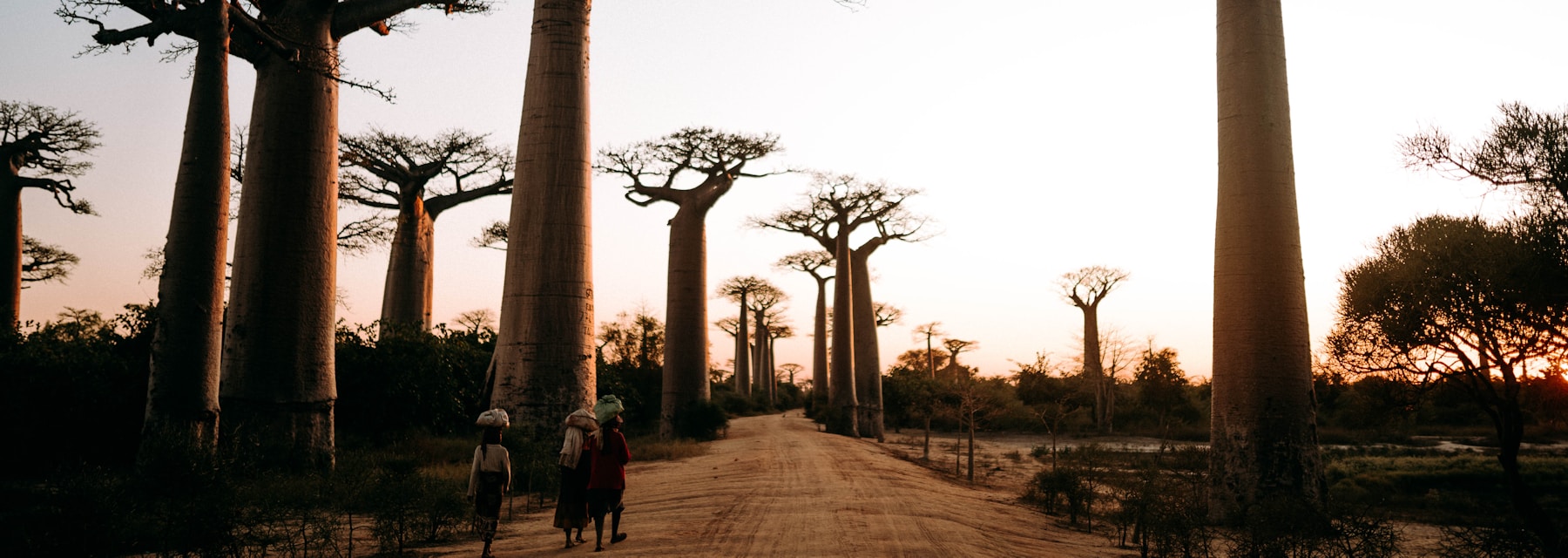
Madagascar’s safari experience is not the African Big Five — there are no lions, elephants, giraffes, zebras, rhinos, or buffalo on the island. Instead, Madagascar’s safari is built around the world’s most distinctive endemic wildlife: lemurs (around 100 species, all endemic), chameleons (over half the world’s species), endemic birds (ground rollers, vangas, couas), and the unique baobab landscapes of the western dry forest.
A genuine Madagascar safari lodge sits within or directly adjacent to a national park or private reserve, has on-property naturalist guides, and arranges dawn-and-dusk wildlife excursions as the core daily program. This article ranks the lodges that meet that definition — not the beach-resorts on Nosy Be that happen to have a lemur enclosure. For pure beach luxury, see our complete luxury resort guide. For full itinerary planning across the safari + beach combination, see the Madagascar luxury itinerary 2026 guide.
The Top 10 Madagascar Safari Lodges 2026
Ranked by wildlife access, on-property experience, service quality, and consistency of high-end traveler reviews:
| Rank | Lodge | Region | Wildlife focus | Tier |
|---|---|---|---|---|
| 1 | Anjajavy Lodge | NW private peninsula | Lemurs + baobabs + beach | Ultra-luxury |
| 2 | Miavana by Time + Tide | Nosy Ankao private island | Marine + bird endemism | Ultra-exclusive |
| 3 | Vakôna Forest Lodge | Andasibe | Indri + private lemur island | Luxury |
| 4 | Mandrare River Camp | South (spiny forest) | Ring-tail + Verreaux’s sifaka | Luxury |
| 5 | La Relais de la Reine | Isalo | Canyon + ring-tail lemur | Luxury |
| 6 | Manafiafy Beach & Rainforest | SE coast | Coastal rainforest + whales (Jul–Oct) | Luxury |
| 7 | Setam Lodge | Ranomafana | Golden bamboo lemur + 12 lemur species | Boutique luxury |
| 8 | Andasibe Hotel | Andasibe | Indri + resident lemurs | Boutique luxury |
| 9 | Berenty Reserve Lodge | South (gallery forest) | Ring-tail lemur (largest colony) | Mid-range luxury |
| 10 | Princesse Bora Lodge | Île Sainte-Marie | Humpback whales (Jul–Sep) + reef | Boutique luxury |
Lodge-by-Lodge Profiles
1. Anjajavy Lodge — Private Peninsula Safari Perfection
Anjajavy is the rare property where wildlife observation, beach access, and full luxury service exist in the same setting. The lodge occupies a 550-hectare private peninsula on Madagascar’s northwest coast, reached only by a 90-minute charter flight from Antananarivo. Resident lemurs (Coquerel’s sifaka, common brown lemur) visit the lodge gardens at dawn — meaning your first wildlife encounter happens before breakfast, without leaving the property. Beyond the gardens, the peninsula’s tsingy limestone formations, mangroves, and beaches are entirely private to lodge guests.
Accommodation: 25 villas, each with private terrace and direct beach or forest access. Rate: $1,400–$2,200 per couple, all-inclusive (meals, charter flight transfer, guided activities, soft drinks). Best for: Honeymooners and luxury travelers who want safari + beach in a single property, without the lodge-to-lodge transit. Check Anjajavy availability on Agoda.
2. Miavana by Time + Tide — Ultra-Exclusive Island Reserve
Miavana sits on Nosy Ankao, a 1.5-hectare private island 8km off Madagascar’s northeast coast. The property is a Time + Tide signature — the same group operates Time + Tide South Luangwa (Zambia) and Time + Tide Mchenja (Zambia). Miavana’s safari is marine-focused: shark dives at the Maharavoa reef, whale shark season (October–December), coelacanth fishing-tradition encounters in the offshore deep, and humpback whale watching in passage (July–September).
Land-based wildlife is limited compared to Anjajavy (no resident lemur population) but the marine and bird diversity is exceptional. 14 villas, each 700+ sqm, full butler service. Rate: $2,400–$2,800 per couple per night, all-inclusive. Reached by 4-passenger helicopter charter from Diego Suarez (Antsiranana). For the full Miavana profile, see our Miavana destination authority guide.
3. Vakôna Forest Lodge — Indri Country Premium
Vakôna Forest Lodge sits on a 100-hectare private property at the edge of the Andasibe-Mantadia National Park, the best lodge base for the indri encounter that defines a Madagascar safari. The lodge has its own private island (“Lemur Island”) with 4 habituated lemur species (common brown, black-and-white ruffed, bamboo, Coquerel’s sifaka) for guaranteed close encounters even if the park visit is rained out.
The lodge’s restaurant is the best in the Andasibe region; the spa offers traditional Malagasy massage with local plant oils. 32 bungalows ranging from standard to Honeymoon Suite with private hot tub. Rate: $280–$450 per couple per night. Compare Andasibe lodges.
4. Mandrare River Camp — Spiny Forest Specialist
Mandrare River Camp is the only luxury lodge inside the spiny forest of southern Madagascar — a unique dry ecosystem found nowhere else on Earth, dominated by didierea trees and giant pachypodiums. The camp’s signature wildlife: large ring-tail lemur troops, Verreaux’s sifaka (famous for their “dancing” sideways hop across open ground), and 47 endemic bird species including the long-tailed ground roller.
Just 8 tented suites; minimum 2-night stay, ideally 3. Reached via a 1-hour charter from Fort Dauphin (which itself requires a Tsaradia flight from Tana). Rate: $1,100–$1,500 per couple per night, all-inclusive. Best for: serious wildlife enthusiasts willing to commit transit time for an unparalleled spiny-forest experience.
5. La Relais de la Reine — Isalo Canyon Luxury
La Relais de la Reine is the benchmark luxury property in the Isalo region — Sakalava-inspired sandstone architecture dramatically set against the canyon cliffs, exceptional pool, and the only restaurant in the Isalo area worth calling a destination in itself. The property’s location near the Isalo National Park gates means guided canyon hikes start within minutes of breakfast.
Wildlife focus: ring-tail lemurs in the canyon’s gallery forest, Benson’s rock thrush (endemic to the Isalo massif), and the legendary natural pools (Piscine Naturelle, Piscine Bleue) for post-hike swimming. 32 chalets with terrace and canyon views. Rate: $320–$500 per couple per night. Search Isalo lodges.
6. Manafiafy Beach & Rainforest Lodge — Coastal Safari
Manafiafy is a small luxury lodge on Madagascar’s southeast coast, occupying a private cove where coastal rainforest meets the Indian Ocean. The property is the country’s best base for combining coastal wildlife (humpback whales in July–October, dolphins year-round) with primary rainforest access (Sainte Luce Reserve, 30 minutes inland).
Just 8 villas, all beachfront, all with private terrace. The lodge runs its own boats for whale watching during the season — typically 3-hour morning excursions departing from the beach in front of the lodge. Rate: $850–$1,400 per couple per night, all-inclusive. Reached via Fort Dauphin + 2-hour ground transfer.
7. Setam Lodge — Ranomafana Rainforest Boutique
Setam Lodge is the highest-quality option in the Ranomafana National Park area, Madagascar’s most biodiverse rainforest park. Ranomafana is home to 12 lemur species — the highest concentration in any single park — including the golden bamboo lemur (one of the world’s most endangered primates, discovered only in 1986).
The lodge is positioned for early-morning park access; guides leave at 5:30am to find the bamboo lemur and Milne-Edwards’ sifaka families in their dawn feeding windows. 22 chalets with forest views. Rate: $260–$420 per couple per night.
8. Andasibe Hotel — Forest Grounds Boutique
Andasibe Hotel is a smaller, more intimate alternative to Vakôna in the same region. The lodge occupies private grounds adjacent to the Andasibe park — its resident brown lemur family visits the property gardens most mornings, and the lodge’s naturalist guides know the park’s indri family territories better than most park-employed guides.
20 chalets in colonial-style architecture, all with terrace. Rate: $260–$380 per couple per night. Best for: couples who prefer a smaller-feel property where breakfast service is personal rather than scaled.
9. Berenty Reserve Lodge — Ring-Tail Lemur Authority
Berenty Reserve is a private 250-hectare gallery forest in southern Madagascar, the most accessible site in Madagascar for photographing ring-tail lemur troops. The reserve has been operated by the de Heaulme family since 1936 and remains the only easily-reached destination where ring-tail families approach humans without flight response.
The lodge itself is modest by Madagascar luxury standards (32 simple chalets), but the reserve’s wildlife access is unmatched. Rate: $180–$280 per couple per night. Best for: wildlife photographers and travelers prioritizing wildlife guarantee over lodge comfort.
10. Princesse Bora Lodge & Spa — Whale-Season Authority
Princesse Bora is the leading luxury lodge on Île Sainte-Marie, the world’s highest-concentration humpback whale watching destination during the July–September breeding season. The lodge’s signature experience is the daily morning whale-watching boat, departing from the beach in front of the property.
24 beachfront bungalows; full spa; the only lodge on Sainte-Marie running its own boats with onboard marine biologists. Rate: $480–$780 per couple per night. Search Sainte-Marie lodges.
How to Choose by Wildlife Focus
Madagascar’s biodiversity is regional. The “right” lodge depends entirely on which wildlife you most want to encounter:
- Indri (largest lemur, eerie territorial call): Vakôna Forest Lodge or Andasibe Hotel (Andasibe-Mantadia NP)
- Ring-tail lemur (classic Madagascar icon): Berenty Reserve Lodge (south) or La Relais de la Reine (Isalo)
- Verreaux’s sifaka (“dancing” lemur): Mandrare River Camp (south) or Berenty Reserve
- Golden bamboo lemur (rare, recently discovered): Setam Lodge (Ranomafana)
- Coquerel’s sifaka + baobab landscapes: Anjajavy Lodge (NW peninsula)
- Humpback whales (Jul–Sep): Princesse Bora Lodge (Sainte-Marie) or Manafiafy (SE coast)
- Marine endemism + private island: Miavana by Time + Tide (Nosy Ankao)
- Chameleons (highest diversity): Andasibe-Mantadia (any Andasibe lodge) or Ranomafana
- Endemic birds (vangas, ground rollers, couas): Mantadia sector (via Vakôna or Andasibe Hotel) or Mandrare River Camp
Best Time to Visit Madagascar Safari Lodges
Madagascar’s strong wet/dry seasonal split affects safari lodges meaningfully:
- May–June: Early dry season. Andasibe still slightly damp but indri active. Southern lodges (Mandrare, Berenty) are excellent. Lower visitor numbers than peak. A strong shoulder choice.
- July–September: Peak season. Andasibe reliably dry. Sainte-Marie whale season opens (July). Anjajavy and Miavana are at peak demand — book 8–10 months ahead. All lodges’ best months.
- October: Transition. Most lodges still operating well. Manafiafy and Princesse Bora retain whale-watching into early October. A favored month for return visitors avoiding peak crowds.
- November–March: Wet season. Many lodges close for maintenance (Anjajavy typically closes February–March). Andasibe lodges stay open but rainfall is significant. Not recommended for first safari trip.
- April: Wet season ends. Some lodges reopen mid-April. Ranomafana is particularly lush. Reduced visitor numbers but weather still variable.
Cost Comparison: Madagascar Safari Lodges by Tier
| Tier | Lodges | Per couple per night | Includes |
|---|---|---|---|
| Ultra-exclusive | Miavana, Anjajavy | $1,400–$2,800 | All meals, all activities, charter transfers |
| Luxury | Mandrare, Manafiafy, La Relais de la Reine | $700–$1,500 | Most meals, guided activities (some charges extra) |
| Boutique luxury | Vakôna, Princesse Bora, Setam, Andasibe Hotel | $260–$780 | Half-board (B+D), excursions extra |
| Mid-range luxury | Berenty Reserve, smaller Andasibe lodges | $160–$300 | Bed-and-breakfast; activities a la carte |
The dispersion is large: at the ultra-exclusive tier, a 7-night safari runs $9,800–$19,600 per couple just for accommodation. At boutique luxury, the same 7 nights runs $1,800–$5,500. Most travelers planning their first Madagascar safari are best served by the luxury or boutique luxury tier — the wildlife experience is broadly identical, the difference is service density and on-property amenities.
Booking Strategy for Madagascar Safari Lodges
The booking sequence is critical because Tsaradia internal flight capacity is the binding constraint that determines whether your lodge bookings actually function as an itinerary:
- Lock international flight first. Air France Paris–Tana is direct 4×/week; Ethiopian via Addis Ababa connects from more cities. International flights determine your arrival day, which cascades through everything.
- Book Tsaradia segments next. The Tana–Fort Dauphin (Mandrare/Berenty access), Tana–Toliara (Isalo), Tana–Nosy Be, and Tana–Sainte-Marie routes are the binding constraints. Book 3–4 months ahead minimum for peak season.
- Lodge bookings follow. Once flights confirm, contact lodges. Top-tier (Anjajavy, Miavana) usually require 8–10 months booking lead time for peak season. Boutique tier (Vakôna, Andasibe Hotel) is more flexible — 3–4 months ahead is sufficient.
- Use a specialist operator for first safaris. Specialist Madagascar operators (Cortez Travel, Boogie Pilgrim, Voyages Madagascar) hold lodge allocations and Tsaradia coordination contacts that direct bookers can’t access in peak season. For tour package details, see our Madagascar tour packages 2026 guide.
For international flight delay protection: check your existing flights for EU261 compensation eligibility on AirAdvisor — Paris connection delays can be claimed up to 3 years after the flight date.
Getting to Madagascar Safari Lodges
All international flights arrive at Ivato Airport in Antananarivo. Lodge access from Tana varies significantly:
- Andasibe (Vakôna, Andasibe Hotel): 3-hour road transfer east of Tana. Compare 4WD rental prices on Carla for independent driving.
- Anjajavy: 90-minute charter flight from Tana (included in lodge rate).
- Miavana: Tsaradia Tana–Diego Suarez (Antsiranana), then 4-passenger helicopter to Nosy Ankao (included in lodge rate).
- Isalo (La Relais de la Reine): Tsaradia Tana–Toliara, then 2.5-hour 4WD transfer to Ranohira.
- Mandrare, Berenty: Tsaradia Tana–Fort Dauphin, then 4-hour 4WD or charter.
- Ranomafana (Setam): 8-hour road transfer south from Tana via Antsirabe and Ambositra — or break the drive with an overnight at one of the highland stops.
- Manafiafy: Tsaradia Tana–Fort Dauphin, then 2-hour 4WD coastal transfer.
- Sainte-Marie (Princesse Bora): Tsaradia Tana–Sainte-Marie via Toamasina.
Visa and Health Requirements for Safari Travelers
Most nationalities receive a free 30-day tourist visa on arrival at Ivato. No advance application is required for a typical safari trip. Vaccinations: yellow fever required only if arriving from a yellow fever-endemic country (most sub-Saharan Africa). Hepatitis A, hepatitis B, typhoid, and rabies pre-exposure are all recommended for safari travelers — particularly the rabies pre-exposure given the close wildlife interaction at lodges.
Malaria: Most Madagascar safari areas carry moderate-to-high malaria risk. Atovaquone-proguanil (Malarone) or doxycycline are the most commonly prescribed prophylaxis — consult your travel medicine clinic 4–6 weeks before departure. Supplement with DEET 30%+ repellent and long-sleeve evening clothing. Lodges typically provide mosquito nets but bring your own repellent.
Medical facilities: Tana has two private clinics with emergency capability. Outside Tana, facilities are limited to rural health posts. Helicopter evacuation from a remote lodge to Tana costs $30,000–$80,000 before any treatment costs. This is why evacuation insurance is non-negotiable for Madagascar safari travel.
Travel Insurance for Madagascar Safari Lodges
Madagascar safari travel involves unique insurance considerations: remote lodges, wildlife encounters, internal aircraft transit, and a long evacuation route to definitive medical care. Standard travel insurance often has gaps in this profile.
SafetyWing Nomad Insurance Complete is built for this kind of remote travel:
- Unlimited emergency medical evacuation — no $100,000 cap that standard policies impose
- Active sports included — wildlife trekking, snorkeling, diving, light aircraft transit all covered
- No geographic exclusion for Madagascar’s remote lodges or outer islands
- Monthly subscription — activate for your exact safari duration
Key reminder: Helicopter evacuation from Anjajavy, Miavana, or Mandrare River Camp can exceed $25,000 before air ambulance onward transfer. Most standard policies cap evacuation at $100,000 — but a complete evacuation to Réunion or South Africa can exceed that limit before reaching definitive care. Check your policy’s evacuation cap before booking.
Activities and Excursions Beyond the Lodge
Most safari lodges include their core wildlife program in the rate (guided park entry, naturalist guide, transfers). Additional activities and add-ons that experienced safari travelers add to their lodge stay:
- Andasibe night walks: The aye-aye (rare nocturnal lemur) and microcebus (mouse lemur) are only visible at night. Book through your lodge.
- Mantadia sector full-day: The diademed sifaka — Madagascar’s most spectacular large lemur — lives in the Mantadia sector adjacent to standard Andasibe. Worth a dedicated day.
- Ranomafana golden bamboo expedition: The golden bamboo lemur requires a longer trek through the park — 6–8 hours total. Book with a Ranomafana-specialized guide.
- Anjajavy peninsula full circuit: The 4-hour walking circuit covers the tsingy, mangrove, and the small reserve interior. Best done with a property naturalist.
- Sainte-Marie whale watching boat: 3-hour morning excursions during July–September peak. Operators include local pirogue captains and the Princesse Bora dedicated boat.
Browse Madagascar wildlife excursions on GetYourGuide to compare standalone activity prices against lodge add-on rates.
What to Pack for a Madagascar Safari Lodge
Madagascar safari lodges sit in significantly different climate zones — Andasibe is cool damp rainforest (10–18°C nights even in dry season), the southern spiny forest is hot arid (28–35°C days), Anjajavy is hot humid coastal. A single trip often spans 3 climate zones in 10 days. Pack accordingly:
- Clothing layers: Lightweight breathable long sleeves and pants in neutral colors (khaki, olive, sand — bright colors and white attract insects and can spook wildlife). Fleece or lightweight puffy for cool Andasibe and Ranomafana nights. Waterproof shell — rain is possible even in dry season.
- Footwear: Lightweight hiking boots or sturdy trail trainers with grip soles for park walks. Sandals or water shoes for lodge time. Avoid open-toed sandals for any park excursion — leeches are common in Andasibe-Mantadia even in dry season.
- Wildlife observation gear: Binoculars (8×42 is the standard — better than your phone for distance wildlife). Field guide to Madagascar wildlife or a downloaded reference. Notebook for sighting records.
- Photography: Telephoto lens (300mm+ if possible; lemurs in the high canopy often need reach). Spare batteries — most lodges have power but charging windows are limited. Memory cards in protective case (humidity is the silent killer of memory cards in Madagascar).
- Insect protection: DEET 30%+ or picaridin repellent. Permethrin-treated clothing for trekking areas. Mosquito head net for evening lodge time at some southern properties.
- Medical: Personal first-aid kit, malaria prophylaxis (if prescribed), prescription medications +3 days buffer, electrolyte sachets for southern arid lodges, rehydration salts.
- Documents: Passport, visa-on-arrival receipt (kept separately from passport), travel insurance documents (printed + digital), emergency contact list, $400–$600 in small USD bills for tips and Ariary exchange.
Sustainability and Conservation Context
Madagascar’s wildlife is more endangered per capita than any other major safari destination. The island has lost approximately 90% of its original forest cover, and 95% of its lemur species are classified as threatened by the IUCN. Choosing your safari lodge has direct conservation impact:
- Private reserve lodges: Anjajavy (550-hectare private peninsula), Berenty (250-hectare gallery forest), Miavana (private Nosy Ankao island) actively fund the protection of their reserves. Staying at these properties directly supports habitat conservation.
- National park-adjacent lodges: Vakôna, Andasibe Hotel, Setam, La Relais de la Reine pay park entry fees that fund park operations. Each visitor effectively contributes $25–$30/day to national park budgets.
- Community ownership models: Some lodges (notably Mandrare River Camp) operate community-revenue-sharing models where surrounding villages receive direct compensation tied to lodge occupancy. Confirming this structure during booking is straightforward — operators welcome the question.
- Conservation premium tier: Time + Tide (Miavana operator) maintains a dedicated conservation fund and offers guests the option to make additional contributions tied to specific projects (coelacanth tracking, coral monitoring, sea turtle protection).
Beyond lodge selection, responsible safari practices: maintain 5+ meter distance from lemur families (closer disrupts feeding behavior), never feed wildlife (alters foraging patterns and creates dangerous dependencies), use reef-safe sunscreen at coastal lodges (Madagascar’s coral is highly sensitive to oxybenzone), tip naturalist guides directly ($10–$20/day per couple is the local standard).
Choosing Your First Madagascar Safari Lodge: A Decision Framework for Premium Travelers
The 10 properties above span a 7× price range and three meaningfully different safari experiences. For luxury travelers picking their first Madagascar lodge, the choice isn’t really “which is best” — it’s “which matches my travel profile.” We’ve seen enough first-time visitor decisions to spot the patterns:
If this is your first Madagascar visit and you want the iconic wildlife encounter: Start with Andasibe-Mantadia via Vakôna Forest Lodge. The indri experience is what makes Madagascar fundamentally different from any other safari destination on Earth. Pair with 3–4 nights of beach decompression at Nosy Be or a private peninsula. Skipping Andasibe to spend all your time at a beach property is the most common regret we hear from returning travelers — the wildlife window cannot be replicated elsewhere.
If you’re a returning safari traveler looking for what Africa cannot give you: Mandrare River Camp or Anjajavy. The spiny forest at Mandrare is geographically unique on Earth, and Anjajavy’s combination of resident lemurs, tsingy limestone formations, and private beach is impossible to replicate at any African property. These are the lodges that justify the second Madagascar trip for travelers who have already done the standard circuit.
If this is a honeymoon and privacy is paramount: The ranking is clear — Miavana first, Anjajavy second, Constance Tsarabanjina third. Each has a different texture: Miavana is marine-focused ultra-exclusive (helicopter access, butler service, 14 villas), Anjajavy is integrated safari + beach (charter access, resident lemurs, 25 villas), Tsarabanjina is pure beach perfection (boat access, 25 thatched bungalows, no wildlife focus). For our detailed honeymoon analysis see our honeymoon packages 2026 guide.
If wildlife photography is the primary goal: Combine Andasibe (Mantadia sector) + Ranomafana (Setam Lodge) + Mandrare. This sequence delivers the highest species diversity for serious photographers. Add a dedicated photography guide — most operators charge $120–$180/day extra; the value is in dawn departures and the knowledge of which family is where on any given day.
If you’re traveling with children 8 and older: Anjajavy is purpose-built for families with the Family Villa category and a structured kids’ wildlife program. Vakôna’s private Lemur Island reserve is the easiest guaranteed lemur encounter for children too young for park hikes. Berenty Reserve also works well — habituated ring-tail lemur troops approach close enough to feel like a controlled zoo experience, but they’re entirely wild.
The Premium Tier Upgrade: What $1,500 Extra Per Night Actually Buys You
The dispersion between boutique luxury ($300/night per couple at Vakôna or Setam) and ultra-luxury ($1,800–$2,800/night at Anjajavy or Miavana) is dramatic — roughly $1,500 per night more. What does that extra spend actually deliver?
- Exclusivity: Anjajavy’s 550-hectare peninsula has 25 villas. Miavana’s 1.5-hectare private island has 14 villas. You will not encounter other guests on a property walk; you can have a beach to yourself for an entire afternoon. At Vakôna’s 32-bungalow lodge, the property feels populated. This isn’t service quality — it’s spatial exclusivity, and it’s the largest single value driver at the ultra-luxury tier.
- Inclusive structure: Ultra-luxury rates are all-inclusive — charter flight to property, every meal, every drink (soft + house wine + local beer), every activity, every transfer. Boutique luxury rates are half-board with most activities priced separately. By the time you add the typical activity stack, the rate gap closes meaningfully.
- Charter aircraft access: Anjajavy and Miavana require dedicated charter flights bundled in the rate. You skip the Tsaradia scheduling constraint that often defines a Madagascar itinerary’s structure. The charter cost alone would run $2,000–$3,500 per couple per segment if booked independently.
- Naturalist quality: Ultra-luxury properties hire and retain senior naturalists with 10+ years’ lodge experience. Boutique lodges rotate junior guides more frequently. The difference shows up in low-probability sightings (aye-aye at night, fork-marked lemur at dawn) where guide depth matters most.
- Service density: Roughly 3 staff per villa at the ultra-luxury tier vs 1 staff per room at boutique luxury. Practically: same-day laundry, private boat or vehicle on request, in-villa dining without notice, butler-level attention to dietary preferences.
For travelers who value depth of experience over breadth of destinations, the ultra-luxury tier delivers something boutique cannot — uninterrupted privacy in genuinely remote settings. For travelers who prioritize seeing more of Madagascar within a fixed budget, the boutique tier delivers 80% of the experience at 30% of the cost. Both are valid; the decision depends on which axis matters more to you.
Insurance for Safari Travel: SafetyWing vs World Nomads
Madagascar’s remote safari logistics make travel insurance non-negotiable — but the right product depends on your trip profile. Medical evacuation from Anjajavy, Miavana, or Mandrare to definitive care in Réunion or South Africa runs $30,000–$80,000 before treatment. Standard $100,000 evacuation caps on consumer policies are insufficient for a complex multi-leg evacuation.
The two specialist products both Voyagiste readers use:
| Feature | SafetyWing Nomad Insurance | World Nomads |
|---|---|---|
| Best for | Long trips, monthly billing, evacuation coverage | Adventure activities (trekking, diving, motorbike) |
| Evacuation cap | Unlimited (Complete plan) | $500,000–$1,000,000 depending on plan |
| Active sports | Included (snorkeling, hiking, light aircraft) | Explorer plan covers scuba, motorbike, climbing |
| Billing | Monthly subscription ($45–$70 typical) | Per-trip fixed ($90–$180 for 14 days) |
| Extension while traveling | Yes, anytime | Yes, must request before expiry |
| Best Madagascar use case | Standard luxury safari (Andasibe + Isalo + Nosy Be) | Diving-heavy or trekking-intensive itinerary |
Our recommendation for luxury safari travelers: SafetyWing Nomad Insurance Complete for the unlimited evacuation cap — the single most important feature when your lodge is 90 minutes by charter from any hospital. World Nomads if scuba diving on Nosy Be is a major part of your itinerary (it’s positioned more aggressively for active-sports coverage).
Frequently Asked Questions
What is the difference between a Madagascar safari and an African Big Five safari?
Madagascar has no lions, elephants, giraffes, zebras, rhinos, or buffalo — none of the African Big Five exists on the island. Instead, Madagascar’s wildlife is built around endemic species: around 100 lemur species (none found anywhere else), over half the world’s chameleon species, and endemic birds. A Madagascar safari is closer in feel to a Costa Rica wildlife trip than a Kruger National Park safari — smaller scale, closer encounters, more emphasis on the unique. See our Madagascar vs South Africa safari comparison for the detailed contrast.
How many days do I need at a Madagascar safari lodge?
Minimum 2 nights per lodge to capture both a dawn and a dusk wildlife window. Three nights is better at the top lodges (Anjajavy, Miavana, Mandrare) — you start seeing wildlife the lodge guides know individually rather than just the headline species. A complete Madagascar safari with 3 lodges runs 10–14 days; for the full itinerary plan see our Madagascar luxury itinerary 2026 guide.
Are Madagascar safari lodges expensive compared to African safari lodges?
Roughly comparable at the ultra-exclusive tier (Anjajavy/Miavana ≈ Singita/&Beyond camps in Botswana or South Africa at $1,500–$3,000 per couple per night). At the boutique luxury tier, Madagascar lodges are 40–60% cheaper than equivalent Tanzania or Kenya properties — the price/quality ratio is better in Madagascar at the middle tiers.
Can I see all major lemur species at a single lodge?
No. Madagascar’s biodiversity is regional and the lemurs do not overlap meaningfully. To see the headline species — indri (Andasibe), ring-tail (south), Verreaux’s sifaka (south), golden bamboo (Ranomafana), Coquerel’s sifaka (NW), diademed sifaka (Mantadia) — requires visits to 3 different regions and 3+ different lodges. The 14-day itinerary covers 3 lemur regions; the 21-day plan covers 5.
Is Anjajavy worth the premium over Vakôna?
For honeymooners and travelers prioritizing the combination of safari + beach + privacy in a single property, yes. For wildlife purists focused on lemur diversity, no — Andasibe-Mantadia (via Vakôna) has more lemur species and the iconic indri. Anjajavy’s value is the integrated luxury experience and the unique baobab + peninsula setting, not lemur quantity.
Should I book a private safari guide separately?
Most luxury lodges include their naturalist guides in the rate. A separately-hired private guide for the full trip ($120–$180/day) makes sense if (a) you have specific photography goals, (b) you’re combining 3+ lodges with diverse wildlife focuses, or (c) you want to overlap with the same guide across multiple destinations for relationship continuity. Most first-time visitors are well-served by lodge-provided guides.
When do safari lodges close for the rainy season?
Most close for some part of the November–March window. Anjajavy typically closes February–March. Manafiafy closes late December–February. Miavana operates year-round but with reduced staffing November–March. Mandrare River Camp closes November–February. Vakôna and Andasibe Hotel stay open year-round but with reduced visitor numbers.
How do I combine a safari lodge with a Nosy Be beach stay?
The classic combination is Andasibe (2 nights) + Nosy Be (4–5 nights) for a 7–10 day total trip. For more wildlife depth: add Isalo (2 nights) before Nosy Be for a 10-day plan, or add Ranomafana (2 nights) for a wildlife-focused 12-day plan. See our 14-day Madagascar itinerary for the full combination.
Planifiez Votre Voyage à Madagascar
- Lire le guide de voyage complet Madagascar
- Explorer les itinéraires par style et durée
- Planifier un itinéraire de 10 jours à Madagascar
Où Dormir
Next steps for your Madagascar safari planning
- Madagascar Luxury Itinerary 2026 (10/14/21-day plans) — pillar guide with cost benchmarks by duration
- Anjajavy Lodge Complete Guide — destination authority for our #1 ranked safari property
- Madagascar Safari Packages 2026 — specialist operators and how to book your trip
- Protect your trip: Get SafetyWing coverage before final lodge deposit (most luxury bookings require trip insurance documentation 60 days out)
Plan Your Trip to Madagascar
- Read the full Madagascar Travel Guide
- Explore itineraries by style and duration
- Plan a 10-Day Madagascar Itinerary
Where to Stay