Manakara, Madagascar: End of the Jungle Railway on the Wild East Coast
This post contains affiliate links. We may earn a small commission at no extra cost to you.
At a Glance
- Highlight : End of the FCE jungle railway on the Pangalanes canal
- Best time to visit : Mid-year (drier season); avoid the cyclone months
- Book tours : GetYourGuide
- Find hotels : Check availability on Agoda
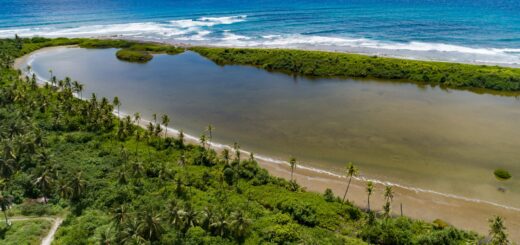
Few places in Madagascar feel as gloriously off the grid as Manakara. Wedged between the Indian Ocean and the palm-lined waterways of the Canal des Pangalanes, this south-eastern town in the Vatovavy region is best known as the eastern terminus of the legendary FCE jungle railway, which claws its way down from the highlands through rainforest, tunnels and waterfalls.
Manakara rewards travellers who arrive without a rigid itinerary. This is a place of slow mornings, lagoon pirogue trips, a lively market and faded colonial streets. It is not a polished beach resort, and the ocean here is genuinely dangerous, but as a raw, atmospheric slice of coastal Madagascar it is hard to beat.
Planning your trip? Book tours early
The best Madagascar tours and guides fill up weeks ahead in high season.
Why visit Manakara
Manakara is a destination defined by its journey and its setting rather than by big-ticket sights. Most travellers come for the sense of adventure: to ride the FCE train, to drift along the Pangalanes canal, and to experience a corner of Madagascar that mass tourism has largely passed by.
The town itself is split by the canal, with a weathered colonial quarter and a busy, colourful market where the rhythms of daily life are on full display. Vanilla, coffee, lychees and tropical fruit flow through the region, and the humid, green landscape feels a world away from the dry highlands.
- Slow travel: ideal for those who value the trip over a checklist of monuments.
- Local culture: markets, fishing communities and a genuine, unvarnished atmosphere.
- Waterscapes: lagoons, the canal and the pounding Indian Ocean all in one place.
The FCE jungle railway
The Fianarantsoa-Côte Est railway, universally known as the FCE, is the reason many travellers put Manakara on their map. This narrow-gauge line descends from Fianarantsoa in the highlands down to the coast, snaking through dense rainforest, crossing bridges, plunging into tunnels and passing tumbling waterfalls along the way.
The journey takes many hours and stops frequently at small villages, where vendors crowd the platforms selling bananas, oranges, sambos and other snacks. These stops are part of the charm and offer a window into rural life along the line.
One thing to understand before you go: the FCE schedule is famously irregular. Departures shift, and mechanical breakdowns and long delays are common. Treat the train as an experience rather than a reliable transport link, keep your plans flexible, bring water, snacks and patience, and never book a tight onward connection on the same day.
Things to do: the Pangalanes canal and the coast
Beyond the railway, life in Manakara revolves around water. The Canal des Pangalanes, a long chain of natural lagoons and man-made channels running parallel to the coast, is best explored by pirogue. A local boatman can paddle you past fishing hamlets, palm groves and reed beds, offering an unhurried, intimate look at the region.
Back in town, the market is the beating heart of Manakara and worth an unrushed wander, as is the old colonial quarter with its ageing facades. Watching the fishing boats and the surf from the shore is a fine way to end the day.
A serious safety note: the ocean beach at Manakara is dangerous for swimming. Strong currents and a genuine shark risk make the open sea unsafe, and you should not swim here. Enjoy the beach for its wild atmosphere and photographs, keep children well back from the water, and stick to the calmer canal and lagoons if you want to be on the water.
What to pack for this trip
A few essentials make Madagascar travel easier:
Getting to Manakara
Reaching Manakara is part of the adventure. Nearly all international visitors fly into Antananarivo (Ivato airport), the country’s main gateway, and travel onward from there. From the capital, most itineraries head first to Fianarantsoa in the southern highlands.
From Fianarantsoa you have two main options to reach the coast. The first is the FCE train, which is the scenic, unpredictable choice described above. The second is the road, which is more direct and lets you keep to your own timetable.
For the road journey, we strongly recommend renting a car with an experienced local driver rather than self-driving. Malagasy roads can be rough, signage is limited, and a good driver handles the conditions, translates and knows where to stop. It is the safest and most comfortable way to combine Fianarantsoa, Manakara and the surrounding region at your own pace. Book a reliable car and driver in advance so your transfers line up smoothly with your flights into Antananarivo.
Madagascar has no reliable public transport, so most independent travellers hire a vehicle with a driver. Compare car rental prices on Carla and book ahead in peak season.
Flight delayed or cancelled? Flights to Madagascar often connect through Paris or Nairobi. If your connection was delayed, EU regulation EC 261 may entitle you to up to EUR 600.
Check your claim free on AirAdvisor.
Where to stay
Manakara offers a modest but adequate range of accommodation, geared more to comfort and location than to luxury. You will find simple guesthouses in and around town, as well as a handful of more comfortable hotels set near the canal or facing the ocean, where you can watch the surf from a shaded terrace.
Choose your area based on your plans. Staying near the canal makes it easy to arrange pirogue trips and enjoy quiet water views, while a spot closer to the market and colonial quarter puts you in the middle of the town’s daily bustle. Because rooms in the better places are limited, it is wise to book ahead, especially in the busy dry-season months.
- Near the canal: peaceful, scenic, and convenient for boat trips.
- Near the centre: close to the market, restaurants and everyday life.
- Book early: the best-value rooms fill up in peak season.
Where to stay: book ahead
The best-value rooms fill up fast in the dry season (roughly May to October).
Best time to visit and practical tips
Manakara sits in a humid, tropical corner of Madagascar and sees rain throughout much of the year. The drier, more comfortable months generally fall in the middle of the year, roughly the local winter, when the FCE line is also more likely to be running. The cyclone season, from around the start of the year, brings heavier rain and can disrupt both roads and the railway.
A few practical tips will make your trip smoother:
- Stay flexible: build slack into your schedule for train delays and weather.
- Carry cash: smaller towns rely on cash, so do not count on cards or ATMs.
- Pack for humidity: light, quick-drying clothes, rain protection and insect repellent.
- Respect the ocean: admire it, but do not swim; heed local advice at all times.
Ready to plan your Madagascar trip?
Travel Insurance for Madagascar
Medical evacuation from Madagascar can cost USD 30,000 to 80,000. Do not skip cover.
- SafetyWing — monthly subscription, covers evacuation
- World Nomads — best for adventure activities
Frequently asked questions
Is the FCE train reliable and how long does it take?
No, the FCE train is not reliable in the conventional sense. The schedule is famously irregular, departures shift, and breakdowns and long delays are common. The trip takes many hours and can stretch far longer, so treat it as an experience and keep your plans flexible rather than booking anything tight on the same day.
Can you swim at the beach in Manakara?
No. The ocean beach at Manakara is dangerous for swimming due to strong currents and a genuine shark risk. You should not swim in the sea here. Enjoy the beach for its wild scenery instead, keep children away from the water, and use the calmer canal and lagoons if you want to be on the water.
How do I get from Fianarantsoa to Manakara?
You have two main choices: the scenic but unpredictable FCE train, or the road. For the road, renting a car with an experienced local driver is the safest and most comfortable option, as it lets you keep your own schedule on rough, poorly signed roads. Most travellers first fly into Antananarivo, then continue to Fianarantsoa before heading to the coast.
When is the best time to visit Manakara?
Manakara is humid and can be rainy much of the year. The drier, more comfortable window generally falls around the middle of the year, roughly the local winter, when the FCE line is also more likely to be operating. Avoid the cyclone season near the start of the year, when heavy rain can disrupt both the roads and the railway.
Manakara is not a place for travellers chasing polished resorts or predictable timetables. It is a place for the curious, the patient and the adventurous, drawn by the romance of a jungle railway, the quiet of the Pangalanes canal and the raw energy of the Indian Ocean. Come with a flexible plan, respect the sea, arrange a trusted driver for the road, and this wild corner of the south-east will reward you with one of Madagascar’s most memorable journeys.
Ready to plan your Madagascar adventure?
Browse tours and experiences now
Affiliate link — commission earned at no extra cost to you.
Plan Your Trip to Madagascar
- Read the full Madagascar Travel Guide
- Explore itineraries by style and duration
- Explore the full destination guide
Where to Stay