Things to Do in Toliara & Ifaty 2026: Reef, Spiny Forest & Beaches
Affiliate disclosure: This article contains sponsored links to hotels, tour operators, insurance providers, and other travel services. We earn a small commission if you book through our links, at no extra cost to you.
Things to Do in Toliara & Ifaty 2026 — At a Glance
- On the water: snorkel or dive the barrier reef, sail a Vezo pirogue, take a boat trip to Anakao or Nosy Ve
- On land: the Reniala spiny forest of octopus trees and baobabs, the Antsokay Arboretum, and warm beaches
- Best for: reef, nature and beach time with a wild, authentic feel
- Book reef tours & activities: on GetYourGuide
- Arrange a car & driver: on Carla
- Plan it with a local: contact Carla
- Flight protection: EU261 up to €600 per passenger
- Travel insurance: SafetyWing Nomad Insurance
- Where to stay: Toliara & Ifaty stays on Agoda
🎒 Madagascar Trip Essentials
A few inexpensive items make the biggest difference on the ground in Madagascar:
- Picaridin insect repellent — DEET-free protection against malaria mosquitoes. See on Amazon →
- Permethrin clothing spray — treat clothes; kills mosquitoes on contact for weeks. See on Amazon →
- Pop-up mosquito net — budget lodges rarely provide one; packs down tiny. See on Amazon →
- Water filter bottle — tap water isn’t safe to drink in Madagascar. See on Amazon →
- Universal travel adapter (USB-C) — Madagascar uses European-style plugs. See on Amazon →
- 8×42 binoculars — essential for spotting lemurs and chameleons in the canopy. See on Amazon →
As an Amazon Associate we earn from qualifying purchases.
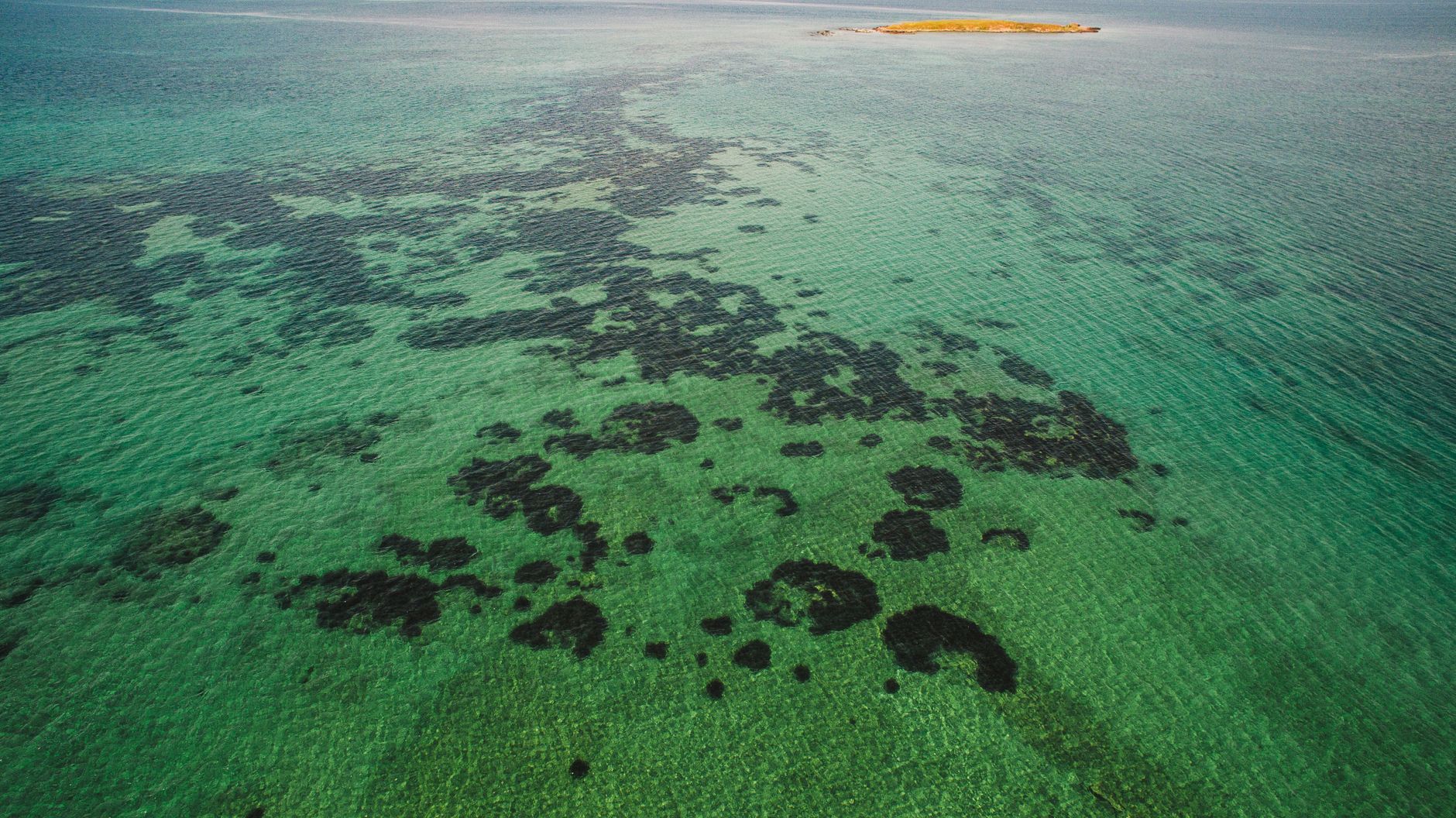
The southwest corner of Madagascar runs on two elements: salt water and dry light. Off the coast of Toliara (Tuléar) lies one of the longest barrier reefs on the planet, a band of coral that has shaped Vezo fishing life for centuries and now draws snorkellers and divers to its lagoons. Behind the beaches, the land turns almost lunar — the spiny forest, a tangle of octopus trees, didierea and squat bottle-shaped baobabs that grows nowhere else on Earth. Most travellers come here to do things rather than to tour them: float over coral, sail a wooden pirogue, walk among the strangest plants in the world, and end the day with grilled fish and feet in warm sand.
This is the activity guide to the region — what to do on the reef, in the spiny forest, on the beach and in the Vezo villages, plus honest notes on what is worth your time and how to arrange each one. For the wider picture of the area, where to base yourself and how it all fits together, start with our pillar guide to the best of Toliara and the southwest coast, then come back here to fill your days.
Top Things to Do in Toliara & Ifaty
Snorkelling the barrier reef
The single best reason to come is the reef. A long coral barrier sits a short boat ride off the beaches of Ifaty and Mangily, sheltering a warm, calm lagoon where you can drift over coral heads, sea fans and shoals of reef fish in water that often stays bath-warm. You don’t need to be a strong swimmer for the shallow lagoon spots — a mask and a calm morning are enough to see parrotfish, surgeonfish, the occasional turtle and clouds of small jewel-coloured fish.
The usual way to snorkel is by pirogue or motorboat from your hotel beach, heading out to the better coral patches on the inner or outer reef at low-ish tide when visibility is best. Mornings are calmer and clearer than windy afternoons. Bring your own mask if you can, as rental gear quality varies, and a rash vest does more against the sun than sunscreen alone. You can book reef and boat outings on GetYourGuide or arrange them directly through your hotel once you arrive.
Scuba diving the reef
For those who want to go deeper, the southwest is one of Madagascar’s most established diving regions. Several PADI-style dive centres operate out of the Ifaty–Mangily strip, running boat dives on the outer reef where the coral walls drop away and the marine life gets bigger — bigger fish, reef sharks on luckier days, and dramatic underwater topography. There are sites for first-time divers doing a discovery dive in the lagoon and others for certified divers who want a proper drift along the barrier.
If you’ve never dived, a beginner “discover scuba” session in the calm lagoon is a gentle introduction. If you’re certified, bring your card and log book. Diving here is weather-dependent — the outer reef can be off-limits when the wind picks up — so allow a flexible day or two rather than banking on a single fixed slot. As with the reef in general, the marine environment is fragile, so choose operators who brief properly on not touching coral.
Pirogue sailing and boat trips
The Vezo are a seafaring people, and their slim wooden outrigger pirogues with patched cloth sails are the working boats of this coast. A sail on one is the most authentic experience the region offers — silent but for the water, tilting along the lagoon with a Vezo sailor reading the wind. Short sunset sails are easy to arrange from any beach hotel, and longer pirogue trips run down the coast to fishing villages or out to the reef.
Motorboats cover the same routes faster and are how most longer day trips (to Anakao or Nosy Ve, below) are run. But if you have a calm morning, choose the pirogue at least once — it is slower, quieter and closer to how this coast has always moved.
The Reniala spiny forest and baobabs
A few minutes inland from the Ifaty–Mangily beaches lies the Reniala reserve, the easiest place to walk into Madagascar’s spiny forest. This is one of the strangest landscapes you’ll ever set foot in: tall, spindly octopus trees (didierea) bristling with thorns, twisted endemic shrubs, and ancient baobabs with swollen trunks — “reniala” means “mother of the forest”, the Malagasy name for the baobab. A local guide leads you through on foot, pointing out medicinal plants, nesting birds and the architecture of trees that store water to survive the long dry season.
The walk is short, flat and shaded enough to do in a morning, and it pairs perfectly with a beach afternoon. Go early for the birds and the gentler heat. It’s an essential counterpoint to the reef — the same region, an utterly different world a kilometre inland.
The Antsokay Arboretum
Just outside Toliara, on the road in from the airport, the Antsokay Arboretum is a botanical garden devoted to the endemic dry-region flora of the southwest. It was founded by a Swiss botanist and is now run by his family, with hundreds of species of succulents, medicinal plants and spiny-forest trees laid out along easy paths with knowledgeable guides. If Reniala is the wild version, Antsokay is the curated, labelled one — excellent for understanding what you’re looking at, and an easy stop on arrival or departure day.
Many travellers combine a guided arboretum visit with a meal at its small restaurant. It works well as a half-day either at the start of a trip, to orient yourself in the region’s botany, or at the end while waiting for an afternoon flight.
Beach time at Ifaty and Mangily
The villages of Ifaty and Mangily, north of Toliara, are the region’s beach base — a string of low-key hotels along a wide, warm, shallow shore. The beaches here are about relaxation rather than postcard perfection: the lagoon is calm and bathwater-warm, the sand is broad, and the rhythm is unhurried. Days drift between snorkel trips, hammocks, fresh fish and long walks at low tide when the lagoon pulls back to reveal flats dotted with Vezo collecting shellfish.
This isn’t a manicured resort coast, and that is precisely its charm — it stays authentic, affordable and quiet compared to Madagascar’s island resorts. For where exactly to base yourself, see our companion guide to the best Toliara and Ifaty hotels.
Vezo villages, seafood and culture
The Vezo are semi-nomadic fisherfolk whose entire culture turns on the sea, and meeting that culture is part of the trip. A walk through a Vezo village — pirogues drawn up on the sand, nets drying, the day’s catch laid out — is a window into a way of life built almost entirely around the reef and lagoon. Go respectfully: ask before photographing people, and let a local guide make the introductions.
The reward at the table is some of the freshest seafood in Madagascar: grilled fish, octopus, lobster in season, and zebu for those who want a change from the sea. Many beach hotels serve the day’s catch simply and well. Eating fresh fish a few metres from where it was landed is one of the quiet pleasures of this coast.
A day trip to Anakao and Nosy Ve
South of Toliara, across the bay, the fishing village of Anakao offers a wilder, more remote slice of the same Vezo coast — long empty beaches, fewer travellers and a real end-of-the-road feel. Just offshore lies tiny Nosy Ve, an uninhabited island ringed by reef and known for its colony of red-tailed tropicbirds and excellent snorkelling. It’s reached by boat from Toliara or as an excursion from Anakao.
You can visit Anakao as a long day trip by motorboat from Toliara, or stay a night or two for the full effect. If you’re weighing the two beach bases against each other, our sibling comparison of Ifaty vs Anakao lays out which suits which traveller.
Whale watching in season
Between roughly July and September, humpback whales migrate through the Mozambique Channel, and boat trips from the southwest coast can sometimes encounter them on their way to and from the warmer waters off the south. It’s seasonal, weather-dependent and never guaranteed — treat it as a wonderful bonus rather than the reason you came, and choose operators who keep a respectful distance from the animals.
The Reef: Snorkelling vs Diving
The barrier reef is the heart of the region, and how you experience it depends on how much you want to commit. Snorkelling is the easy, flexible, low-cost option: a short boat ride, a mask, a calm lagoon, and you’re floating over living coral within minutes. It suits families, non-swimmers in the shallows, and anyone who wants the reef without the gear or the training. The inner lagoon is calm and warm, the coral is close to the surface, and a good morning here is reason enough to visit.
Diving takes you to the outer reef where the wall drops into deeper, bluer water and the marine life scales up. It needs more time, more money and more cooperation from the weather, but for certified divers — or curious beginners doing a supervised first dive — it delivers a side of the reef snorkellers never see.
Whichever you choose, this is a fragile, working ecosystem that local fishing families depend on. Don’t touch or stand on coral, don’t take shells or starfish, use reef-safe sunscreen where you can, and pick operators who brief on conservation. The reef is in better shape where visitors tread lightly.
The Spiny Forest: Madagascar’s Strangest Botany
If the reef is the region’s blue half, the spiny forest is its green-grey one — and it is genuinely unlike anywhere else on Earth. This is a dry, thorn-armoured woodland adapted to long droughts: octopus trees (didierea) raise bare, spine-covered arms toward the sky; bottle-trunked baobabs hoard water in swollen bellies; and a host of endemic succulents and shrubs fills the gaps. The forest is also full of birds, including several found only in this southwest dry belt, which makes it a draw for birders as much as botanists.
You’ll meet the spiny forest most easily at Reniala near Ifaty and at the Antsokay Arboretum near Toliara, both walkable in a morning with a guide. For travellers who want to go further into Madagascar’s wild side, this region pairs naturally with the country’s wider protected-area network — see our guides to the best national parks and reserves and to planning a proper Madagascar wildlife safari, which is a walking, forest-and-reef experience rather than a savanna game drive.
Activities by Interest
The southwest rewards almost every kind of traveller, but it leans toward the active and the outdoorsy. Here is how the region sorts by what you’re after.
- For the sea: snorkelling and diving the barrier reef, pirogue sailing, boat trips to Anakao and Nosy Ve, and whale watching in season. This is the region’s core strength.
- For nature on land: the Reniala spiny forest, the Antsokay Arboretum, and birding in the dry forest — strange plants and endemic birds within minutes of the beach.
- For culture: Vezo fishing villages, watching pirogues launch and land, fresh seafood, and the everyday life of a coast built around the reef.
- For relaxation: warm, calm lagoon beaches at Ifaty and Mangily, hammocks, long low-tide walks and sundowners — a slow, unhurried pace.
Most travellers mix all four, and the region is small enough that you can have a reef morning, a spiny-forest walk and a beach afternoon in a single day.
How Many Days Do You Need?
A satisfying southwest stay is three to four nights in or around Ifaty: a day for the reef, a morning for the spiny forest, a day trip toward Anakao or Nosy Ve, and a beach day to do nothing at all. With five nights or more you can add a diving day, a longer pirogue trip and an overnight at Anakao for the remote feel. Anything less than two nights and you’ll spend most of it travelling to get here.
The region is usually the warm, watery finale of a southern route. For how it slots into a wider trip, see our pillar on the classic southern Madagascar RN7 route and our guide to building the best Madagascar itinerary for your time and pace.
Best Time for These Activities
The southwest is one of Madagascar’s driest, sunniest corners, which makes it a fairly forgiving destination year-round — but the activities have their seasons. The cooler, drier months from April to November are the most comfortable for the beach and the spiny forest, with calmer mornings for snorkelling and clearer water. July to September brings the chance of humpback whales offshore and is high season. The hotter months can be sticky and bring the small risk of a storm, though the southwest stays drier than the rest of the island.
Whatever the month, mornings on the water are calmer and clearer than windy afternoons, so plan reef trips early. For the full seasonal picture across the country, see our guide to the best time to visit Madagascar.
Getting Around to the Sights
Toliara is the regional hub — its airport is your way in by air, and the city sits at the bottom of the long RN7 road from the highlands. From Toliara, the Ifaty–Mangily beach strip is a short drive north on a sandy coastal track, and the Antsokay Arboretum is right on the airport road. Anakao and Nosy Ve are reached by boat across the bay rather than by road.
The easy, comfortable way to handle the airport transfer, the beach run and any inland sights is a car with a local driver, who doubles as a guide and knows the tracks and tides. Arrange one in advance through Carla, and read our wider guide on how to get around Madagascar if you’re piecing together a longer route.
Where to Stay for Easy Access
For most travellers the smart base is the Ifaty–Mangily beach strip, where you wake up beside the lagoon, walk to the reef boats and have the spiny forest minutes away. Toliara town itself is more practical than scenic — useful for an arrival or departure night, the arboretum and stocking up, but the beach is where you’ll want to sleep. Anakao suits travellers chasing a wilder, quieter stay and willing to commit a boat trip to reach it.
Compare the options and check current rates for Toliara and Ifaty stays on Agoda, and for the full rundown of properties by style and budget see our sibling guide to the best Toliara and Ifaty hotels.
What These Activities Cost
Relative to the rest of Madagascar, the southwest is good value, and the headline experiences — snorkelling, a pirogue sail, a spiny-forest walk, beach time — range from nearly free to modest. Snorkelling and pirogue trips are the cheapest way onto the reef. Scuba diving costs more, scaling with the number of dives and any gear rental. Guided walks at Reniala and Antsokay carry a small entrance and guide fee. Boat day trips to Anakao or Nosy Ve are the bigger-ticket outings because of the fuel and the distance.
The two costs that tend to dominate a southwest budget are getting here and where you sleep, not the activities themselves. For a full breakdown of what a trip to the region runs, see our sibling guide to Toliara and southwest Madagascar trip costs.
Practical Tips
- Respect the heat and sun. The southwest is intensely sunny. Do active things in the morning, rest in the midday heat, and carry more water than you think you need.
- Cover up on the reef. A rash vest or T-shirt protects your back far better than sunscreen alone during long snorkel sessions, and reef-safe sunscreen protects the coral.
- Bring reef shoes. The lagoon floor and beach entries can be rocky or have urchins; sturdy water shoes save a lot of grief.
- Mind the tides. Snorkelling, boat launches and low-tide flats all run on the tide. A local guide will time your trips around it — ask.
- Respect Vezo culture. Ask before photographing people, dress modestly in villages, and let a guide handle introductions. This is a living community, not a backdrop.
- Bring your own mask if you can. Rental snorkel gear quality varies; your own well-fitting mask makes every reef trip better.
Getting There and Travelling Well
Reaching the southwest usually means an international flight into Antananarivo and then a domestic hop to Toliara, or the long road south on the RN7. International flights to Madagascar are routed through European or regional hubs, and if your journey includes a European-routed flight, EU261 air-passenger rights can entitle you to up to €600 per passenger for long delays or cancellations on that international leg — note this applies to the European-routed international flight, not to Madagascar’s domestic hops. It’s worth having that protection in place; you can check your flight for EU261 compensation up to €600 per passenger here.
Because so much of the southwest happens on and in the water — snorkelling, diving, boat trips on the open channel — solid travel insurance is genuinely important here, not just a box to tick. Make sure your cover includes water activities and any diving you plan, plus medical evacuation, since the region is remote and good hospitals are far away. We use and recommend SafetyWing Nomad Insurance for flexible, traveller-friendly cover. Sort your SafetyWing policy before you go and dive, snorkel and sail with peace of mind.
Plan Your Southwest Activities with Carla
The southwest rewards a little local know-how — which reef patch is best on which tide, which dive centre briefs properly, when the whales might pass and how to sequence the reef, the spiny forest and a day trip without backtracking. Rather than improvise it all on arrival, you can have it arranged by a Madagascar-resident specialist who knows the coast. Carla can line up your reef and pirogue trips, your spiny-forest walks, your transfers and your stay into one easy, well-paced few days. Reach out to Carla to build your southwest activity plan, and arrange your car and driver through Carla to tie it all together.
Frequently Asked Questions
Is Toliara and Ifaty good for non-divers?
Absolutely. The barrier reef sits in a calm, shallow lagoon that’s perfect for snorkelling, so you get the coral and the fish without any diving experience at all. Add pirogue sails, spiny-forest walks and beach time, and there’s a full trip here even if you never put on a tank.
What is the spiny forest and where do I see it?
It’s a unique dry forest of thorny octopus trees, baobabs and endemic plants found only in southern Madagascar. The easiest places to walk into it are the Reniala reserve near Ifaty and the Antsokay Arboretum near Toliara, both doable in a morning with a guide.
Can I see whales near Toliara?
Sometimes, roughly between July and September, when humpback whales migrate through the Mozambique Channel. Boat trips can encounter them, but it’s seasonal, weather-dependent and never guaranteed — treat it as a bonus, not the main event.
How do I get to Anakao and Nosy Ve?
By boat from Toliara across the bay — there’s no practical road. Anakao works as a long motorboat day trip or an overnight stay, and tiny Nosy Ve island is visited by boat for its tropicbirds and snorkelling.
How many days should I spend in the southwest?
Three to four nights around Ifaty is a comfortable minimum, giving you the reef, the spiny forest, a day trip and a pure beach day. Five or more lets you add diving, a longer pirogue trip and an overnight at Anakao.
🗺️ Build a Southwest Itinerary — Ask Carla
Get the reef, the spiny forest and the beaches sequenced into an easy trip by a Madagascar-resident specialist. Reach out to Carla.
Plan Your Trip to Madagascar
- Read the full Madagascar Travel Guide
- Explore itineraries by style and duration
- Best Tours and Guided Experiences
Where to Stay
Go deeper — Insider Madagascar
Our cultural series on the stories behind the island: