Vazimba: Madagascar’s First People and the Spirits of the Land
This article contains affiliate links. We may earn a small commission at no extra cost to you if you book through them.
By Jordan Lamont · Last updated 7 October 2026
At a Glance
- Who: the Vazimba — Madagascar’s legendary first inhabitants
- When: remembered from the island’s earliest settlement (roughly 2,000+ years ago)
- Status: half history, half myth — venerated as the most ancient ancestors
- Royal link: the Merina line claims Vazimba descent through Queen Rafohy
- Today: their tombs, stones and springs are sacred, governed by fady
Say it like a local: Vazimba (va-ZEEM-ba); razana (rah-ZAH-na) — the ancestors.
Ask who was here first, and a Malagasy answer will often reach past kings and kingdoms to a shadowy earlier people: the Vazimba. They occupy the exact seam where history fades into myth — remembered as the island’s original inhabitants, feared and honoured as its oldest spirits, and claimed as ancestors by the very dynasty that would one day rule Madagascar. For a curious traveller, the Vazimba are the island’s first chapter, and nobody can say for certain where fact ends and legend begins.
The people before the people
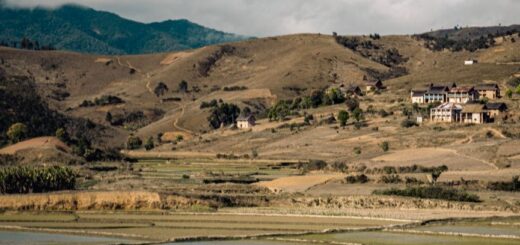
In the common tradition, the Vazimba were the first inhabitants of Madagascar, already living in the highland forests when later settlers arrived. They are usually described as smaller in stature, which led some to speculate about an early “pygmy” population — a theory that remains unproven. What the evidence does support is an early human presence on the island going back roughly two thousand years, practising tavy (slash-and-burn farming), growing bananas, tubers and ginger, gathering honey and hunting small forest game. Whoever exactly they were, the memory of an earlier people took deep root.
From ancestors to spirits
Over time the Vazimba crossed from history into the spirit world. In many communities — especially in the highlands — veneration of the dead reaches all the way back to the Vazimba as the most ancient ancestors of all. Their presumed tombs, certain stones, pools and springs became sacred places where people still leave offerings, ask favours, and tread carefully. Some Malagasy hold that the Vazimba never truly left, and that they linger yet in the deepest, least-disturbed parts of the forest.
The kings who claimed Vazimba blood
Here is the twist that binds the legend to real power. Several Malagasy royal lines traced their legitimacy partly to Vazimba ancestry — including the Merina dynasty that eventually unified the island. The Merina royal founder, King Andriamanelo, was said to be the son of Queen Rafohy, who was of Vazimba descent. To rule, in other words, a king could point back to the first people of the land. The Vazimba were not just ghosts to be feared; they were a source of sovereignty.
A living respect, not a museum piece
What makes the Vazimba fascinating is that they are not treated as ancient history but as present company. Sacred Vazimba sites are governed by fady — taboos that dictate what you may wear, say, bring or do nearby. Offerings of honey, rum or coins are still made. This is not folklore performed for visitors; it is a living thread of belief that connects modern highlanders to the island’s deepest past. It is also why some lakes and stones that look unremarkable are, to locals, anything but.
Why it matters today
The Vazimba explain a habit of mind you will meet all over Madagascar: the conviction that the land is inhabited by those who came before, and that the living owe them respect. Understanding this makes Malagasy customs legible — why a guide lowers their voice at a certain stone, why a spring is off-limits. Travel the central highlands with that awareness and the landscape fills with meaning. Begin with our Madagascar travel guide.
FAQ
Who were the Vazimba?
In Malagasy tradition, the first inhabitants of the island — remembered as an earlier people who lived in the forests before the ancestors of today’s Malagasy arrived.
Did the Vazimba really exist?
Belief and some archaeology point to an early population, but details (including the idea they were a “pygmy” people) remain unproven. They sit on the border of history and legend.
Why do Malagasy honour the Vazimba?
They are venerated as the most ancient ancestors; some royal lines, including the Merina, claim Vazimba descent, and their sacred sites still receive offerings.
Can you visit Vazimba sites?
Yes — certain tombs, stones and springs in the highlands are revered as Vazimba places, but they are sacred and governed by fady, so visit only with a local guide and respect.
Travel insurance for Madagascar
Medical evacuation from Madagascar’s interior can cost USD 30,000–80,000, so travel medical cover is worth arranging before you go. SafetyWing is the disclosed partner we mention on this site — a monthly-subscription travel medical plan. Check SafetyWing’s plans.
Plan Your Trip to Madagascar
- Read the full Madagascar Travel Guide
- Explore itineraries by style and duration
- Explore the full destination guide
Where to Stay