Why Madagascar’s Wildlife Exists Nowhere Else
This article contains affiliate links. We may earn a small commission at no extra cost to you if you book through them.
By Jordan Lamont · Last updated 7 October 2026
At a Glance — life found nowhere else
- Why: 88 million years of island isolation
- Predator: the fossa · primates: the sacred lemurs
- Reptiles: half the world’s chameleons
- Oddities: the comet moth, pitcher plants, the vanished elephant bird
- Flora: baobabs, the traveller’s palm, the spiny desert · wildlife tours
There is nowhere on Earth like Madagascar for wildlife. Cut off from every continent for tens of millions of years, it evolved a world entirely its own: predators that aren’t cats, primates found in no other forest, plants that hunt and giants that vanished. This is your map to why the island is the planet’s strangest nature destination — and where to read each story.
An island built for evolution
It all flows from one fact: Madagascar has been an isolated island for about 88 million years, since it split from the supercontinent Gondwana. That solitude let life here branch into forms found nowhere else — over 90% of its mammals and reptiles are endemic.
The cast of characters
At the top is the fossa, a predator that looks like a cat but isn’t. Below it live the lemurs, so human-like that many are sacred. In the trees cling half the world’s chameleon species, from a reptile the size of a matchstick to one as long as your arm. And the oddities keep coming: the giant comet moth that hatches without a mouth, carnivorous pitcher plants, and the elephant bird, the heaviest bird that ever lived — now extinct.
Plants as strange as the animals
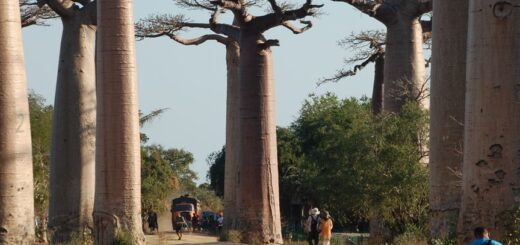
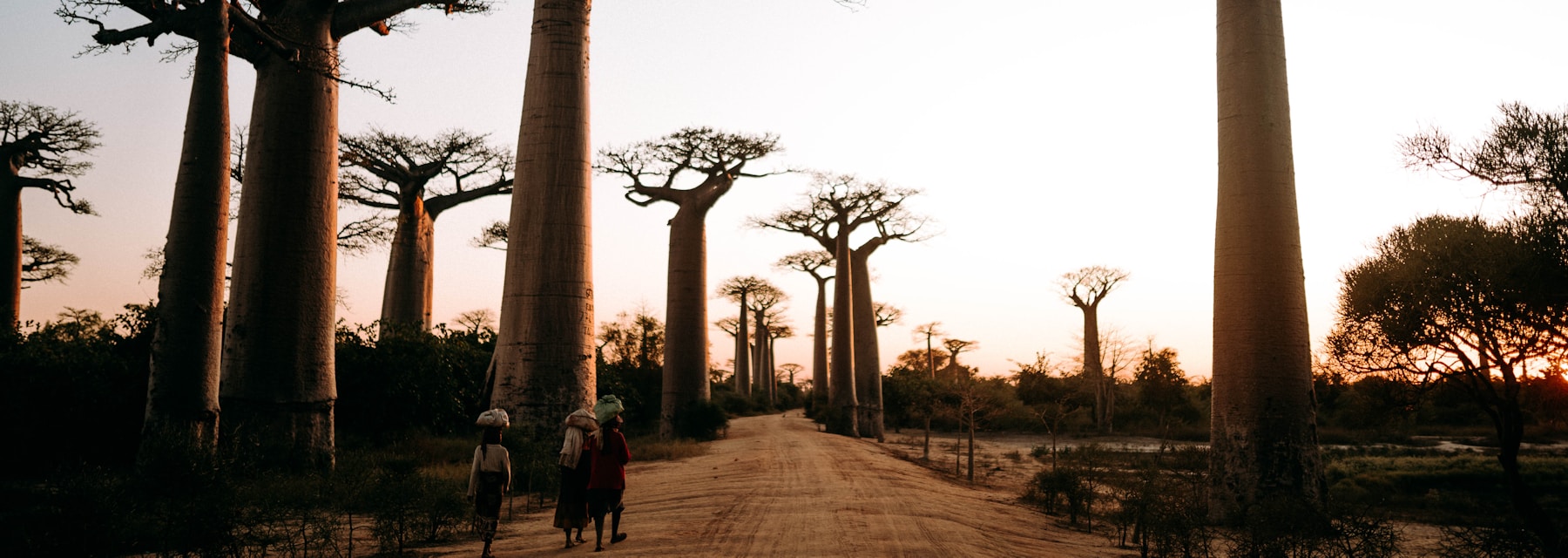
The flora is just as extraordinary: the upside-down baobabs, the fan-shaped traveller’s palm, and the alien spiny desert of octopus trees. Even the land itself grows strange, as in the stone forest of the Tsingy.
Why it matters
Everything here is irreplaceable — and much of it is threatened. Meet the island’s living wonders responsibly: start with our wildlife guide, follow the links above, and plan with our Madagascar travel guide.
FAQ
Why is Madagascar’s wildlife so unique?
Around 88 million years of isolation since it split from Gondwana let life evolve on its own path — over 90% of its mammals and reptiles and 80% of its plants exist nowhere else.
Travel insurance for Madagascar
Medical evacuation from Madagascar’s interior can cost USD 30,000–80,000, so travel medical cover is worth arranging before you go. SafetyWing is the disclosed partner we mention on this site — a monthly-subscription travel medical plan. Check SafetyWing’s plans.
Plan Your Trip to Madagascar
- Read the full Madagascar Travel Guide
- Explore itineraries by style and duration
- Explore the full destination guide
Where to Stay