Madagascar Gems Guide: Sapphires, Rubies and Ethical Buying Tips
This post contains affiliate links. We may earn a small commission at no extra cost to you.
At a Glance
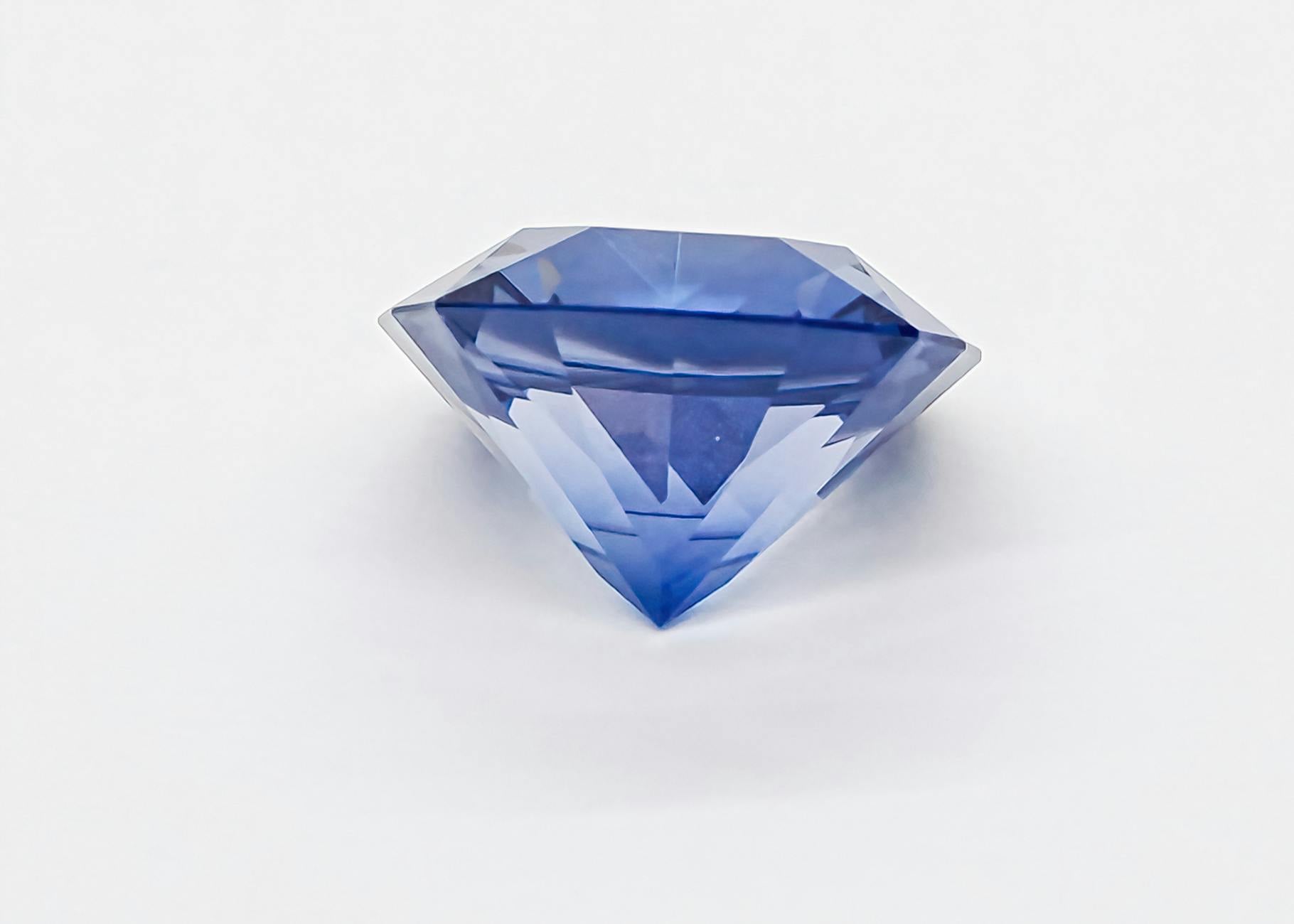
- Famous stones: sapphire (Ilakaka, Andranondambo), ruby (Andilamena, Didy), tourmaline (Anjanabonoina), demantoid garnet, aquamarine
- Madagascar share of global sapphire supply: roughly 30–40% since the late 1990s
- Where to buy cut stones: Antsirabe lapidary studios, reputable Antananarivo dealers — never roadside in Ilakaka
- Indicative prices: rough sapphire $50–500/ct, cut blue sapphire $200–1,500/ct, ethical small ruby $100–400/ct
- Export rule: BCMM permit needed for stones above declared value thresholds — get paperwork before flying
- Base city for gem shopping: Find hotels in Antananarivo on Agoda
- Insurance for valuables in transit: SafetyWing
🎒 Madagascar Trip Essentials
A few inexpensive items make the biggest difference on the ground in Madagascar:
- Picaridin insect repellent — DEET-free protection against malaria mosquitoes. See on Amazon →
- Permethrin clothing spray — treat clothes; kills mosquitoes on contact for weeks. See on Amazon →
- Pop-up mosquito net — budget lodges rarely provide one; packs down tiny. See on Amazon →
- Water filter bottle — tap water isn’t safe to drink in Madagascar. See on Amazon →
- Universal travel adapter (USB-C) — Madagascar uses European-style plugs. See on Amazon →
- 8×42 binoculars — essential for spotting lemurs and chameleons in the canopy. See on Amazon →
As an Amazon Associate we earn from qualifying purchases.
Madagascar is one of the planet’s most important coloured-stone sources, but it is also one of the riskiest places in the world to buy gems untrained. This guide explains what is actually mined here, where you can shop with confidence, and how to leave with stones that are legal, ethical and worth what you paid.
What Stones Madagascar Actually Produces
Madagascar’s geology is extraordinary. The island sits on ancient Precambrian basement rock, with pegmatite intrusions that have produced an unusually wide range of coloured stones. The most economically significant is sapphire from Ilakaka (discovered in 1998) and Andranondambo — blues, pinks, padparadschas and the prized colour-change material that shifts from violet under daylight to red under incandescent light. Ruby is mined principally at Andilamena and the newer Didy deposit; Malagasy rubies are typically slightly lower saturation than Mozambique stones but increasingly competitive at the mid-market level.
Beyond corundum, the country supplies excellent tourmaline (Anjanabonoina, near Antsirabe — including red rubellite, blue indicolite and bicoloured watermelon), aquamarine, demantoid and tsavorite garnet, and the lesser-known labradorite from Sakoany on the west coast. Rose quartz, sunstone and beautiful banded celestite geodes are also affordable highlights. Use our Madagascar budget guide to plan how much of your trip cash to allocate to a single significant stone purchase versus a portfolio of smaller pieces.
Where to Buy and Where Never to Buy
Antsirabe is the country’s lapidary capital — gems are sent here from across the island to be cut and polished. Visit established studios on Rue de l’Artisanat and around the central market; reputable ones will show you the rough stone, weigh it on calibrated electronic scales, and write a receipt with weight, dimensions, origin and treatment status. Antananarivo hosts the country’s largest licensed dealers — try the gem boutiques near Antsahavola and Antaninarenina. International buyers generally prefer dealers who provide GIA-style memos even informally.
Avoid buying loose stones at Ilakaka itself unless you are travelling with a trained gemmologist. The bush market there is dominated by middlemen who can sell glass, synthetic corundum, or heat-treated stones with no disclosure. Hotel-lobby and airport-shop gems are almost always overpriced. Bring a 10x loupe, a refractometer or chelsea filter, and ideally test the stone in natural light. If a price seems impossibly low, the stone is almost certainly treated, synthetic or misrepresented. Reach Antsirabe via the well-trodden RN7 from Tana — three to four hours by car: Compare Madagascar car rental prices on Carla.
Ethical Buying: The Questions You Must Ask
Madagascar’s gem trade has serious social and environmental costs — mercury contamination at small-scale mines, child labour issues at certain Ilakaka pits, and forest clearance from artisanal digging in protected reserves. Ethical buying means refusing to participate in the worst of this. Ask any dealer four questions: Where exactly was this stone mined? A reputable seller names the deposit. What treatment has it received? Heat treatment is industry-standard and acceptable if disclosed; beryllium-diffusion and glass-filling are not. Do you have a BCMM trader licence? Licensed dealers source through cooperatives that pay fairer wages.
Is there a written receipt with weight, treatment and origin? Walk away from any seller who refuses to provide one. Some buyers prefer cooperatives such as the gem associations at Andilamena and Sakaraha, which offer slightly higher purchase prices to miners and reduce middleman extraction. Avoid stones described as “natural” with no documentation, and avoid any mineral specimens taken from protected reserves (ammonite plates from Mahajanga and labradorite are generally fine; rare minerals from national parks are not). Combine your shopping with cultural context from our guide to Merina culture — the gem trade is concentrated in their historic territory.
Exporting Stones Legally and Paying What’s Fair
Madagascar requires an export permit from the BCMM (Bureau du Cadastre Minier de Madagascar) for gem exports above certain value thresholds — currently in the low thousands of US dollars depending on category. Below that, you can typically declare stones at the airport with a copy of the dealer invoice. Above it, the dealer must initiate the permit process for you, which takes several days. Always budget for this and don’t buy a high-value stone on the last morning before your flight. Customs at Ivato will ask to see paperwork.
Indicative price ranges (2026): small calibrated blue sapphire (0.5–1 ct, eye-clean, heated) — $100–400/ct at Antsirabe; fine padparadscha (1–2 ct) — $800–2,500/ct from a licensed dealer; small ethical Madagascar ruby (0.5 ct) — $100–400/ct; cut tourmaline (1–3 ct) — $50–300/ct; aquamarine — $30–150/ct; labradorite cabochon — $20–80 per piece. Pay in USD or EUR cash for the best price; some larger dealers accept card with a 3–5% surcharge. For larger purchases use a wire transfer through a recognised export agent. If your return flight is delayed or cancelled after a major gem purchase, secure your costs:
Flight delayed or cancelled? Many Antananarivo departures route via Paris, Nairobi or Addis Ababa. Check your compensation claim free on AirAdvisor — eligible passengers can receive up to €600.
Frequently Asked Questions
Are Madagascar sapphires good quality?
Yes — they are among the most important sources in the world by volume and include world-class blue, pink and padparadscha material. Most are heat-treated, which is industry-standard. The challenge is buyer protection, not quality: stick to licensed Antsirabe or Antananarivo dealers and always request a written receipt with origin and treatment.
Can I just bring stones home in my luggage?
For low-value stones (a handful of small cabochons or polished pebbles bought for a few hundred dollars total) most travellers carry them in hand luggage with the dealer receipt. Above the BCMM threshold you need a formal export permit. Customs at Ivato airport routinely ask to see paperwork — do not try to hide stones.
Is it ethical to buy gems from Madagascar at all?
Buying from licensed dealers who source through cooperatives is one of the strongest ways to put money into Malagasy hands rather than international middlemen. Avoiding any purchase makes life harder for miners, not easier. Refusing unlicensed sellers and unmarked stones is what makes the difference.
A Madagascar gem purchase can be the souvenir of a lifetime — but only if you do it slowly, ask the right questions, and walk into a licensed dealer rather than a roadside stand. Cover the value of every stone you buy with proper travel insurance: Get SafetyWing before you fly — from $1.82/day. Standard policies often have low limits on jewellery and gems; check yours and consider adding a valuables rider for high-value pieces.
Travel Insurance for Madagascar
Medical evacuation from Madagascar costs $30,000–$80,000. Don’t travel without cover.
- SafetyWing — monthly-subscription travel medical cover; you can check their plans.
- World Nomads — single-trip travel insurance with adventure-activity options.
Plan Your Trip to Madagascar
- Read the full Madagascar Travel Guide
- Explore itineraries by style and duration
- Explore the full destination guide
Where to Stay