Mahajanga vs Nosy Be 2026: Which Northwest Madagascar Beach Escape Is Right for You?
Affiliate disclosure: This article contains sponsored links to hotels, tour operators, insurance providers, and other travel services. We earn a small commission if you book through our links, at no extra cost to you.
Mahajanga vs Nosy Be 2026 — At a Glance
- Nosy Be: the polished tropical island — resorts, diving, turquoise water, easy but pricier and busier
- Mahajanga: the authentic mainland beach city — corniche, red rocks, wildlife nearby, affordable and quiet
- Quick verdict: Nosy Be for an easy island holiday; Mahajanga for affordable, real beach-and-wildlife
- Stay in Mahajanga: Mahajanga hotels on Agoda
- Stay in Nosy Be: Nosy Be hotels on Agoda
- Book tours: on GetYourGuide
- Flight protection: EU261 up to €600 per passenger
- Travel insurance: SafetyWing Nomad Insurance
🎒 Madagascar Trip Essentials
A few inexpensive items make the biggest difference on the ground in Madagascar:
- Picaridin insect repellent — DEET-free protection against malaria mosquitoes. See on Amazon →
- Permethrin clothing spray — treat clothes; kills mosquitoes on contact for weeks. See on Amazon →
- Pop-up mosquito net — budget lodges rarely provide one; packs down tiny. See on Amazon →
- Water filter bottle — tap water isn’t safe to drink in Madagascar. See on Amazon →
- Universal travel adapter (USB-C) — Madagascar uses European-style plugs. See on Amazon →
- 8×42 binoculars — essential for spotting lemurs and chameleons in the canopy. See on Amazon →
As an Amazon Associate we earn from qualifying purchases.
Madagascar’s northwest coast gives you two very different ways to put your feet in warm water, and travellers planning a 2026 trip keep landing on the same fork in the road: Mahajanga or Nosy Be? Both sit on the same stretch of the Mozambique Channel, both promise sunshine and the sea, and both make a natural anchor for a week away — yet they deliver almost opposite holidays. One is a tropical island built for easy resort relaxation. The other is a hard-working mainland city with a long seafront promenade, dramatic red-rock scenery and serious wildlife within easy reach.
This guide gives both destinations a fair, honest hearing so you can pick the one that fits how you actually like to travel — or decide, as plenty of people sensibly do, to fold both into a single northwest loop. For the full picture on the mainland side, start with our pillar guide to the best of Mahajanga in 2026, then read on for the head-to-head.
The Short Answer: Island Resort vs Authentic Beach City
If you want a low-effort tropical-island holiday — turquoise lagoons, dive boats, beach bars, a choice of resorts and an airport with international links — Nosy Be wins, and it isn’t close. It is the most developed beach destination in Madagascar, the one most geared to fly-and-flop travellers, honeymooners and divers. You pay more and you share the best beaches with more people, but the gloss is real and the logistics are simple.
If you want somewhere affordable, genuinely Malagasy and quieter, where the beach is part of a living city rather than a resort enclave, Mahajanga (also spelled Majunga) is the smarter pick. Its great curving corniche, the burning colours of the Cirque Rouge, a centuries-old sacred baobab and the lemur-filled forests of Ankarafantsika a couple of hours away add up to a trip with far more texture — at a fraction of the cost and with a fraction of the foreign crowd. You give up the island-resort polish and the world-class reef, but you gain authenticity, value and wildlife.
Put simply: Nosy Be is the easy tropical-island holiday; Mahajanga is the affordable, real beach-and-wildlife city break. The rest of this guide unpacks exactly where each one pulls ahead.
Nosy Be: The Case For
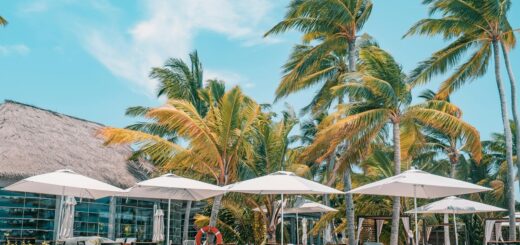
Nosy Be — “big island” in Malagasy — is the country’s flagship beach destination, sitting off the northwest coast and reached by its own international airport. This is where Madagascar feels most like a classic Indian Ocean island holiday. The west-coast beaches around Ambondrona, Madirokely and Andilana shelve into clear, calm, genuinely turquoise water, and the run of resorts, boutique hotels and beachfront restaurants means you can land, check in and barely move for a week if that is what you came for.
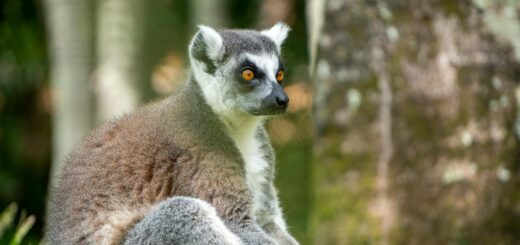
The diving and snorkelling are the island’s trump card. The reefs and outlying islets — Nosy Tanikely’s marine reserve in particular — offer warm, clear water, healthy coral and reliable sightings of turtles and reef fish, with whale sharks and migrating humpbacks in season. Boat trips to the sugar-loaf island of Nosy Iranja, the volcanic crater lakes inland and the nearby archipelago fill the days easily. For wildlife close to base, the Lokobe Reserve protects the island’s last patch of lowland rainforest, home to black lemurs, chameleons and nocturnal sportive lemurs.
Crucially, Nosy Be is easy. International charter and regional flights land directly; transfers are short and well organised; English and French are widely spoken in the tourism trade; and the choice of accommodation runs from backpacker bungalows to genuine luxury. If your priority is a relaxing, sun-and-sea holiday with minimal friction, this is Madagascar’s safest bet. For the wider area — including the mainland north around Diego Suarez — see our guide to northern Madagascar, Nosy Be and Diego, and for the sand itself our complete guide to the beaches of Nosy Be.
There is also a social side to Nosy Be that the mainland simply cannot match. Hellville, the main town, has a working market, restaurants and a low-key nightlife, while the beach strips host the kind of sunset bars and seafood grills that round off a holiday day. The island runs on tourism, which is a double-edged sword — it means service standards, English-speaking guides and dive instructors, organised excursions and reliable boat operators, but it also means a more commercial, less spontaneous atmosphere than you find elsewhere in Madagascar. For many visitors that trade-off is exactly right: they want the comfort and the certainty, and Nosy Be delivers both with a confidence no other Malagasy beach destination can match.
Mahajanga: The Case For
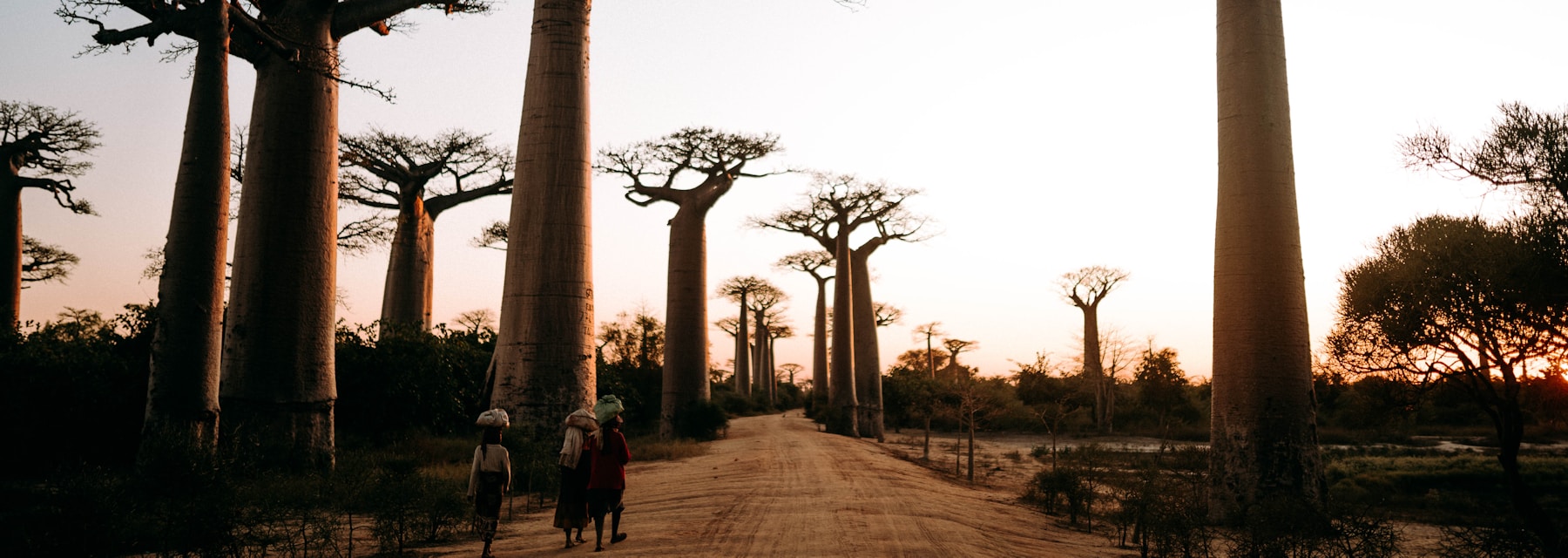
Mahajanga is a different proposition entirely — a real, lived-in port city on the mainland coast where the RN4 highway from Antananarivo meets the sea. Its signature is the corniche, a long seafront boulevard that comes alive at sunset as families, vendors and couples stroll beneath the city’s famous sacred baobab, an enormous, centuries-old tree that has become the emblem of the town. This is beach life woven into everyday Malagasy life, not a sealed-off resort strip — and it is all the more memorable for it.
Just outside town, the Cirque Rouge is the scenic showstopper: a natural amphitheatre of eroded sandstone in vivid reds, oranges and ochres, glowing especially at dawn and dusk, with a small beach where the canyon meets the sea. And Mahajanga is the gateway to one of Madagascar’s most accessible great parks — Ankarafantsika National Park, a couple of hours inland, where dry deciduous forest, crater lakes and savanna shelter Coquerel’s sifaka, brown lemurs, chameleons and a remarkable variety of birds. Few beach bases anywhere pair so easily with genuine wildlife.
Mahajanga also carries a distinctive cultural layer that gives the city real character. It has long been a crossroads of Malagasy, Comorian, Indian and Arab influences, visible in its old quarters, its mosques and Hindu temples, and above all in its food — a port-city cuisine of fresh seafood, samosas, brochettes and tropical fruit that you eat among locals rather than in a resort dining room. The warm, dry northwestern climate makes the evenings on the corniche especially pleasant, and the pace is unhurried in a way that rewards travellers who like to linger, wander and watch a city go about its day.
The clincher for many travellers is value. Mahajanga is markedly cheaper than Nosy Be across hotels, food and tours, and it sees far fewer foreign visitors, so the experience feels less packaged and the welcome more genuine. You trade the island’s resort sheen and its world-class reef for authenticity, affordability and an easy wildlife add-on. To dig into the city itself, see our companion guides to the best things to do in Mahajanga and where to stay in Mahajanga.
Side-by-Side: Mahajanga vs Nosy Be
Here is the head-to-head at a glance. These are relative descriptors, not promises — prices, crowds and conditions shift with season and operator.
| Factor | Mahajanga (mainland) | Nosy Be (island) |
|---|---|---|
| Overall vibe | Authentic working beach city, lived-in and local | Polished tropical-island resort holiday |
| Beaches | Long corniche and city beaches; pleasant but not postcard-white | Clear turquoise west-coast beaches, classic Indian Ocean look |
| Water & diving | Calmer channel swimming; limited formal dive scene | Excellent reef diving and snorkelling, marine reserves |
| Wildlife | Ankarafantsika nearby — sifaka, lemurs, rich birdlife | Lokobe Reserve — black lemurs, chameleons (smaller forest) |
| Scenery | Cirque Rouge red canyons, sacred baobab, sunsets | Lagoons, islets, crater lakes, volcanic interior |
| Getting there | RN4 road from Tana, or domestic flight | International airport plus boat from Ankify |
| Crowds | Few foreign tourists, quieter | Busiest beach destination in Madagascar |
| Cost | Noticeably more affordable | Pricier across hotels, food and tours |
| Best suited to | Value seekers, culture and wildlife fans, quiet beach | Resort relaxers, divers, honeymooners, easy logistics |
Beaches & Water
This is where the two destinations diverge most clearly. Nosy Be delivers the classic tropical postcard: sheltered west-facing bays with pale sand and water that genuinely runs turquoise over the reef shallows, calm enough for easy swimming and ideal for snorkelling straight off the beach in places. The surrounding islets raise the bar further — Nosy Tanikely’s protected waters and the sandbar beaches of Nosy Iranja are the kind of scenery people fly across the world for. For divers and snorkellers, the northwest reef around Nosy Be is comfortably the best Madagascar offers from a single, easy base.
Mahajanga’s relationship with the sea is different. The city sits where the Betsiboka river system meets the Mozambique Channel, so the water near town carries more sediment and the beaches are city beaches — fine for a stroll, a sunset and a paddle, with better stretches such as the small cove at the Cirque Rouge and beaches further along the coast. What Mahajanga offers is the corniche experience: a vast tidal seafront, dramatic skies, and the daily rhythm of a coastal city, rather than a dive-and-lagoon holiday. If clear reef water and serious diving are non-negotiable, choose Nosy Be. If a long beachfront promenade and red-rock coves suit your idea of the sea, Mahajanga delivers in its own way.
It is worth being honest about expectations here, because this is the single factor most likely to disappoint a traveller who picks the wrong base. Visitors who arrive in Mahajanga imagining Nosy Be’s lagoon will find the city beaches a step down; visitors who arrive in Nosy Be hoping for raw authenticity may find the resort strips a little too packaged. Set your expectation to the place and both shine — Nosy Be for swimming, snorkelling and that picture-perfect tropical water, Mahajanga for big-sky seafront walks, fiery sunsets behind the baobab and the easy beauty of the Cirque Rouge where its sandstone walls drop to the shore.
Wildlife
Both destinations let you pair beach time with lemurs, but the scale and ease differ. Nosy Be’s wildlife card is the Lokobe Reserve, the island’s surviving lowland rainforest, reached by pirogue and walked with a guide. It is compact and reliable for black lemurs, the tiny nocturnal sportive lemur, panther chameleons, boas and frogs — a satisfying half-day that proves you are in Madagascar and not a generic island.
Mahajanga’s wildlife is bigger in ambition. A couple of hours inland on the RN4, Ankarafantsika National Park is one of the country’s most rewarding and accessible protected areas: dry deciduous forest and crater lakes that shelter the striking white-and-chestnut Coquerel’s sifaka, several other lemur species, chameleons, the rare Madagascar fish eagle and a roll-call of endemic birds that makes it a birder’s favourite. It is a true national-park experience rather than a forest pocket, and it slots neatly into a Mahajanga stay.
If wildlife is a major reason for your trip, Mahajanga’s link to Ankarafantsika is a strong draw — and it pairs naturally with a wider wildlife itinerary. See our guides to the best Madagascar safari and to the country’s lemurs to plan it properly.
Getting There & Around
Access is one of Nosy Be’s biggest advantages. The island has its own airport with international and regional flights, so many visitors arrive without ever touching the mainland; for those coming overland, a short crossing by boat from Ankify on the north coast does the job. Once there, distances are small and transfers easy. This frictionless arrival is a real part of why Nosy Be commands its prices and its crowds.
Mahajanga is reached either by domestic flight from Antananarivo or overland along the RN4, one of Madagascar’s better-surfaced major routes — a long but scenic drive that many travellers break into a day trip. In town and out to the Cirque Rouge or Ankarafantsika you will rely on taxis, hired vehicles or organised tours. Whichever city you choose, getting around Madagascar rewards a little planning; our guide to how to get around Madagascar covers flights, roads and transfers in detail.
For point-to-point comfort — airport transfers, a private driver for the day, or the Tana–Mahajanga road run — a trusted local arrangement beats winging it. Our Madagascar-resident specialist Carla can organise reliable transfers and drivers for either destination so the logistics never eat into your beach time.
Cost & Crowds
On both counts Mahajanga is the gentler choice. Because it is a mainland city serving Malagasy travellers as much as foreign tourists, hotels, restaurants and tours cost noticeably less than their Nosy Be equivalents, and you are rarely sharing the corniche or the Cirque Rouge with crowds of visitors. Nosy Be, as Madagascar’s premier beach destination, prices accordingly and draws the most tourists — wonderful if you want buzz and choice, less so if you came for solitude or are watching the budget.
None of these are fixed numbers — season, operator and how you travel all matter — but the direction is consistent: Mahajanga stretches a budget further and feels quieter, while Nosy Be offers more polish for more money. To plan the spend, read the Mahajanga-specific trip cost guide and our broader Madagascar budget travel guide, which shows how to keep costs down wherever you base yourself.
Who Each One Suits
Choose Nosy Be if you are: a first-time visitor who wants an easy, low-stress beach holiday; a diver or keen snorkeller; a honeymooning or romance-focused couple wanting resort comfort; or anyone who values simple logistics, international flight links and a wide choice of hotels and restaurants over budget and authenticity.
Choose Mahajanga if you are: a value-conscious or budget traveller; someone who wants real Malagasy city life and culture alongside the beach; a wildlife or birding enthusiast drawn by Ankarafantsika; a returning visitor who has “done” the island circuit and wants somewhere less touristy; or a photographer chasing the Cirque Rouge and corniche light. Families and slow travellers tend to love Mahajanga’s unhurried, lived-in feel.
A useful tie-breaker is to ask what would most disappoint you. If a week of city beaches and sediment-tinged water would leave you flat, you are a Nosy Be traveller and should not talk yourself out of it on price alone. If sharing the best beaches with tour groups and paying resort rates would sour the trip, you are a Mahajanga traveller and will be happier for choosing it. Match the destination to the disappointment you most want to avoid and the decision usually makes itself.
Many travellers sit between the two — and for them, the honest answer is often not to choose at all.
Why Not Both?
Because they share the northwest coast, Mahajanga and Nosy Be combine more easily than their differences suggest, and a single trip can give you the best of each. A common shape is to fly into Nosy Be for the island, diving and lagoon days, then travel down to the mainland for Mahajanga’s corniche, the Cirque Rouge and a wildlife run into Ankarafantsika — bookending a resort holiday with something more authentic and adding real depth without doubling your budget.
The two are not next door, so a both-cities trip needs a sensible itinerary and the right internal flights or transfers, but it is one of the most satisfying ways to experience northwest Madagascar — easy island holiday and real beach city in one loop. If a combined trip appeals, this is exactly the kind of route Carla can shape around your dates and budget.
Where to Stay
Both cities have solid accommodation across the range, and we treat them equally here because the right base depends entirely on which trip you have chosen.
In Mahajanga, look for hotels along or near the corniche so you are within strolling distance of the seafront and the sacred baobab at sunset. Browse current options and prices on Mahajanga hotels on Agoda.
In Nosy Be, the west-coast beach strip around Ambondrona, Madirokely and Andilana puts you closest to the best sand, dive operators and beach restaurants. Compare resorts and boutique stays on Nosy Be hotels on Agoda. If you are combining the two, book each leg separately so you can match the hotel to the part of the trip it serves.
Getting There and Travelling Well
However you reach the northwest, build in two simple protections. First, your international flight: if you route through Europe to Madagascar and that flight is heavily delayed, cancelled or overbooked, EU air-passenger rules can entitle you to compensation. You can claim EU261 compensation of up to €600 per passenger on qualifying European-routed flights — it costs nothing to check and the payout can cover a big share of a holiday. (This applies to the European-routed international leg, not to domestic Madagascar hops.)
Second, travel insurance. Madagascar’s coast means boats, diving, road transfers and remote parks, and good cover for medical care, evacuation, kit and trip disruption is essential whichever city you choose. SafetyWing Nomad Insurance is straightforward, flexible and well suited to longer or multi-stop trips; if you are diving in Nosy Be, confirm your activities are covered. Sorting SafetyWing cover before you fly is one less thing to worry about on the road.
Let Carla Plan Your Northwest Coast
Choosing between Mahajanga and Nosy Be — or stitching them together — is exactly the sort of decision that benefits from local knowledge. Carla lives in Madagascar and arranges hotels, transfers, drivers, park visits and dive days for both destinations. Rather than second-guessing seasons, road conditions and which beach suits you, tell her what you want from the coast and let her build it. Plan your northwest trip with Carla and travel the easy way, with someone on the ground handling the details. You can also book individual excursions and day trips for either base on GetYourGuide.
Frequently Asked Questions
Is Mahajanga or Nosy Be better for a first trip to Madagascar?
If you want the simplest, most relaxing introduction — direct flights, resorts and easy beaches — Nosy Be is the gentler first trip. If you want better value and a more authentic, wildlife-rich experience and don’t mind a little more planning, Mahajanga is the more rewarding choice for a first-timer who likes to explore.
Which is cheaper, Mahajanga or Nosy Be?
Mahajanga is noticeably more affordable across hotels, food and tours, because it is a mainland city serving local as well as foreign travellers. Nosy Be, as Madagascar’s premier beach destination, prices higher. Exact costs vary by season and how you travel — see our Mahajanga trip cost and Madagascar budget guides to plan.
Can I visit both Mahajanga and Nosy Be on one trip?
Yes, and many travellers do. They share the northwest coast, so a single loop can combine Nosy Be’s island and diving with Mahajanga’s corniche, Cirque Rouge and Ankarafantsika wildlife. They are not next to each other, so you will need the right internal flights or transfers — Carla can put together a sensible combined itinerary.
Which has better wildlife?
For sheer scale and variety, Mahajanga edges it thanks to Ankarafantsika National Park, with Coquerel’s sifaka, several lemur species and outstanding birdlife a couple of hours inland. Nosy Be’s Lokobe Reserve is smaller but reliable for black lemurs and chameleons and pairs well with beach days.
Which has better beaches and diving?
Nosy Be, clearly, for both. Its west-coast bays offer clear turquoise water and the surrounding reefs and marine reserves make it Madagascar’s best base for diving and snorkelling. Mahajanga’s beaches are city beaches better suited to corniche strolls and sunsets than to reef diving.
⚖️ Mahajanga or Nosy Be? Ask Carla
Tell a Madagascar-resident specialist what you want from the coast, and get an honest steer — or a trip that combines both. Reach out to Carla.
Plan Your Trip to Madagascar
- Read the full Madagascar Travel Guide
- Explore itineraries by style and duration
- Best Tours and Guided Experiences
Where to Stay