Nosy Ve and the Red-Tailed Tropicbird Colony Few Outsiders See
This article contains affiliate links. We may earn a small commission at no extra cost to you if you book through them.
By Jordan Lamont · Last updated 7 October 2026
At a Glance
- What: Nosy Ve — a sacred, uninhabited island off Anakao
- Birds: the world’s southernmost red-tailed tropicbird colony
- Sacred: a Vezo ritual and burial island, protected by fady
- Where: ~5 km off Anakao, southwest Madagascar (via Toliara)
- Base: stay around Toliara · southwest tours
Say it like a local: nosy (NOO-see) — island; the Vezo (VEH-zoo) are the sea-nomad people of this coast.
Off the far southwest coast of Madagascar lies a low, sandy island with no people, no shade and no buildings — and a secret that draws birdwatchers from the other side of the world. On Nosy Ve, rare red-tailed tropicbirds nest so undisturbed that they will let you walk right up to them. The reason is not a ranger or a fence. It is a taboo.
A sacred island of the Vezo
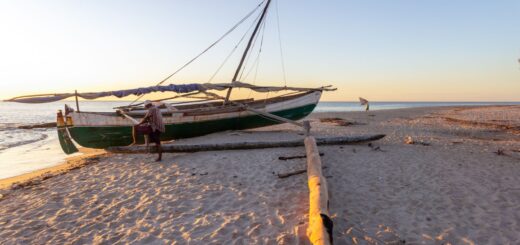
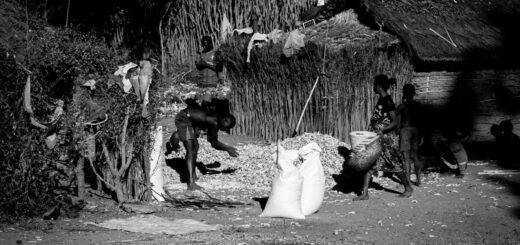
Nosy Ve is a flat, uninhabited island about 5 kilometres off Anakao, in the realm of the Vezo, the fishing and sea-faring people of the southwest. To the Vezo it is sacred: a place of ritual where zebu are sacrificed each year, and a burial site for the ancestors. Those beliefs, and the fady that enforce them, have done what conservation law often cannot — kept the island almost entirely unspoiled.
The birds that let you come close
That protection has made Nosy Ve a wonder for ornithologists. It hosts the world’s most southerly year-round breeding colony of red-tailed tropicbirds — elegant white seabirds with long scarlet tail-streamers — which nest in the white sand dunes. Because the fady keep people respectful and predators few, the birds show almost no fear, allowing an extraordinarily close approach. Birdwatchers travel across the planet for exactly this.
Pirates, French tombs and a layered past
For such a tiny island, Nosy Ve has seen a lot of history. Its sheltered position made it a hideout for pirates and, darkly, a departure point in the slave trade. The French landed here in 1888, before their conquest of the mainland, and a few old European tombs still stand among the dunes. Sacred ground, bird sanctuary, pirate anchorage and colonial beachhead — all on one shadeless sandbar.
Why it matters today
Nosy Ve is a perfect small lesson in how Madagascar protects nature: not always through parks, but through belief. Visiting it — by pirogue from Anakao — rewards you with tame tropicbirds and a lesson in Vezo culture, as long as you honour the fady. Reach it via the southwest coast, time it with our best-time guide, and plan with our Madagascar travel guide.
See it for yourself — reach Nosy Ve by pirogue from Anakao, down the coast from Toliara.
FAQ
What is Nosy Ve?
A small, flat, uninhabited island about 5 km off Anakao in southwest Madagascar, sacred to the Vezo and home to a rare tropicbird colony.
Why is it famous for birds?
It hosts the world’s southernmost year-round breeding colony of red-tailed tropicbirds, which — protected by local fady — let visitors approach remarkably closely.
Why is it sacred?
The Vezo revere Nosy Ve as a ritual and burial site, sacrificing zebu there; those taboos have also kept the island and its birds unspoiled.
How do you visit?
By pirogue or boat from Anakao, reached from Toliara down the southwest coast — go with a local guide and respect the fady.
Travel insurance for Madagascar
Medical evacuation from Madagascar’s interior can cost USD 30,000–80,000, so travel medical cover is worth arranging before you go. SafetyWing is the disclosed partner we mention on this site — a monthly-subscription travel medical plan. Check SafetyWing’s plans.
Plan Your Trip to Madagascar
- Read the full Madagascar Travel Guide
- Explore itineraries by style and duration
- Explore the full destination guide
Where to Stay