Paying the Vazaha Price: How to Avoid Overcharging as a Tourist
This post contains affiliate links. We may earn a small commission at no extra cost to you.
At a Glance
- What “vazaha price” means: the inflated rate charged to foreigners when no posted price exists
- Typical markup: 2 to 5 times the local rate at markets, taxis, and informal guides
- Where it doesn’t apply: supermarkets, hotels on Agoda, restaurants with printed menus, MNP park fees
- Best single defence: learn 5 Malagasy price phrases and always ask the price before consuming
- Hotels with fixed transparent rates: Antananarivo hotels on Agoda
- Tours with set prices: GetYourGuide Madagascar
- Insurance is fixed-price too: SafetyWing
🎒 Madagascar Trip Essentials
A few inexpensive items make the biggest difference on the ground in Madagascar:
- Picaridin insect repellent — DEET-free protection against malaria mosquitoes. See on Amazon →
- Permethrin clothing spray — treat clothes; kills mosquitoes on contact for weeks. See on Amazon →
- Pop-up mosquito net — budget lodges rarely provide one; packs down tiny. See on Amazon →
- Water filter bottle — tap water isn’t safe to drink in Madagascar. See on Amazon →
- Universal travel adapter (USB-C) — Madagascar uses European-style plugs. See on Amazon →
- 8×42 binoculars — essential for spotting lemurs and chameleons in the canopy. See on Amazon →
As an Amazon Associate we earn from qualifying purchases.
The “vazaha price” — the price quoted to foreigners when no fixed rate exists — is part of everyday transactions across Madagascar. It isn’t a scam in the criminal sense; it’s a soft default that disappears the moment you negotiate or ask in Malagasy. This guide explains how the system works, what the fair prices actually are, and the simple habits that bring you down to local rates.
Where the Vazaha Price Applies (and Where It Doesn’t)
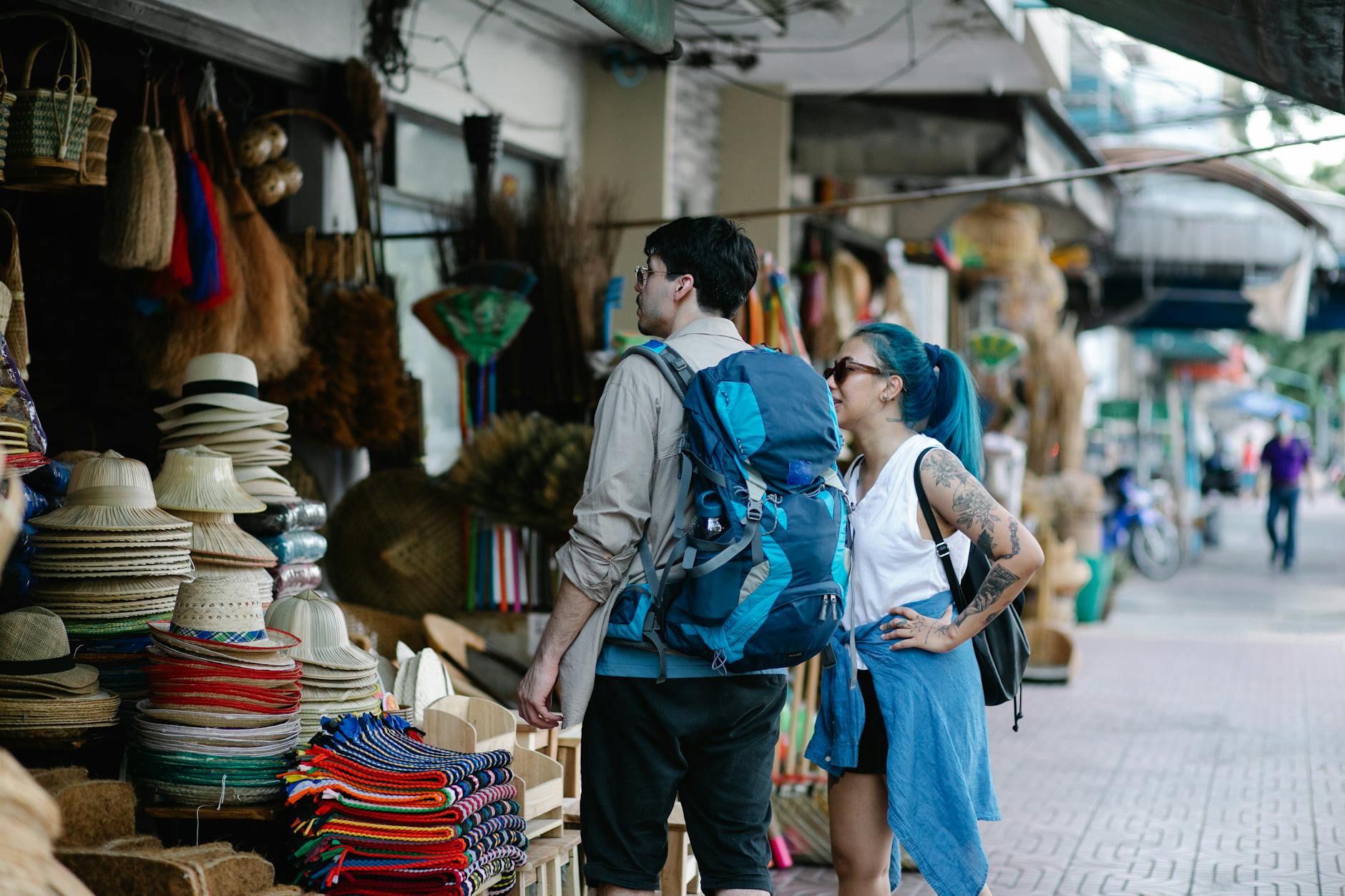
Vazaha pricing is the default in any setting where no price is posted and the seller is judging by appearance how much you might pay. Applies strongly at: open markets (Analakely, Soarano, all city zoma markets), street food stalls, fruit and vegetable carts, craft and souvenir vendors, beach hawkers, freelance taxi drivers without meters, pedicabs and pousse-pousse, freelance guides and porters, small village restaurants without a menu, jewellery and stone vendors. The markup typically runs 2 to 5 times the local rate — sometimes more for handicrafts and gemstones where the seller assumes the buyer has no reference point.
Does NOT apply at: supermarkets (Shoprite, Score, Leader Price — all use barcoded prices), pharmacies, fuel stations (per-litre price posted), restaurants with printed menus and prices, hotels with rack rates posted at reception or listed on Agoda, Madagascar National Parks entrance fees (posted on the MNP website and at every gate), metered taxis in central Tana (when the meter actually works), Air Madagascar and Tsaradia ticket counters. Partial / negotiable: 3-star hotels in Tana and provincial capitals quoted directly (always check Agoda first for a benchmark), private 4WD hire with driver, multi-day tour quotes. Pair with our Madagascar travel budget guide.
Fair Prices: A Reference Table
Knowing the fair price is the single biggest lever against overpaying. Typical Tana taxi fares: 5 000 to 10 000 MGA short hops within centre; 60 000 to 80 000 MGA Ivato Airport to centre (day); 80 000 to 100 000 MGA after 20:00. Pousse-pousse (rickshaw) in Tamatave or Antsirabe: 1 000 to 3 000 MGA per short ride; 5 000 MGA for longer cross-town. Tuk-tuk on Nosy Be: 1 000 to 3 000 MGA Ambatoloaka short hop; 10 000 to 15 000 MGA to Hell-Ville.
Street food and markets: a koba (rice cake) is 500 to 1 000 MGA; a mofo gasy (Malagasy bread) breakfast is 200 to 500 MGA per piece; an entire roast chicken (akoho) at a village market is 18 000 to 25 000 MGA; mangoes in season are 500 to 1 000 MGA each; 1 kg of zebu beef at a butcher is 13 000 to 18 000 MGA. Park entrance fees (MNP): Andasibe 65 000, Ranomafana 55 000, Isalo 65 000, Tsingy de Bemaraha 65 000 MGA per person per day; guide fees 80 000 to 150 000 MGA per group. Pirogue rides on Nosy Be / Sainte-Marie: 30 000 to 60 000 MGA for a half-day. Combine with our Madagascar trip planning checklist.
Five Malagasy Phrases That Cut the Price in Half
Speaking even minimal Malagasy signals you are not a fresh arrival and immediately compresses the markup. The five most useful phrases for price negotiation: “Ohatrinona?” (oh-AH-tree-noo-nah) — “How much?” Use this first instead of “combien.” The seller will quote slightly lower out of respect. “Lafo loatra” (LAH-foo LWAH-trah) — “Too expensive.” Then wait silently. “Tena ve?” (TEH-nah veh) — “Really?” — adds friendly disbelief to the negotiation. “Mazava” (mah-ZAH-vah) — “Okay / clear / understood.” Use this when you accept the final price. “Misaotra” (mee-SAU-trah) — “Thank you.” Always close the negotiation with this.
How to deploy them: ask “Ohatrinona?” first; when you hear the price, respond “Lafo loatra” and wait — silence is the most powerful negotiation tool. The seller will usually offer a second price 20–40% lower. You then counter with what you think is fair (using the fair prices from the section above as your anchor). When you reach an agreed price, “Mazava, misaotra.” This routine compresses most market and craft prices to within 10–20% of local rates — close to the fair price without the awkwardness of haggling hard. For markets at scale and budget context see our Madagascar travel budget guide.
When to Pay the Vazaha Price (and Stop Worrying)
There are situations where paying the higher price is the right call. A 4 000 MGA mango vs. a 1 500 MGA mango — the 2 500 MGA difference is about $0.55. The negotiation costs more time and friction than it returns in money, and the seller’s income depends on the markup. Children selling small crafts at park entrances — overpaying mildly is reasonable. Guides and porters who provided genuine extra effort — a 20–30% tip on top of the agreed rate signals appreciation and is the norm at Andasibe, Ranomafana, Isalo. Pousse-pousse drivers in 35-degree heat — paying 50% above the local rate is humane and matters very little to your trip budget.
Where it does matter: private driver / 4WD hire for multi-day circuits where 30–40% overpricing on a $200/day rate compounds quickly; jewellery and gemstone purchases where a 5x markup is common and not justified by craftsmanship; multi-day organised tours booked direct via WhatsApp. For these, always benchmark the price against a reviewed platform (GetYourGuide Madagascar for day tours; Carla for car rental) before agreeing. And travel insured — SafetyWing — because the real budget killers in Madagascar aren’t markups, they’re unbudgeted medical or evacuation costs.
Frequently Asked Questions
Is bargaining considered rude in Madagascar?
No — gentle bargaining is the cultural norm at markets and with informal vendors. Hard, aggressive haggling is considered rude. The phrases above keep the tone friendly. Bargaining is NOT expected at hotels with posted rates, restaurants with printed menus, or supermarkets.
Should I tip on top of an agreed price for a guide or porter?
Yes — a 20–30% tip is the norm for park guides and porters who provided real value. The tip is separate from the negotiated rate. At MNP-listed rates, the official fee covers the guide’s minimum; the tip is what gets remembered.
How do I know the Agoda price isn’t also marked up for foreigners?
Agoda rates are the same for all bookers regardless of nationality — they’re displayed in your home currency but the underlying MGA rate the hotel quotes Agoda is the same. This makes Agoda the most reliable benchmark for hotel pricing before any direct negotiation.
The vazaha price isn’t malicious — it’s a default that disappears the moment you signal you know the local rate or speak even a few words of Malagasy. Anchor every transaction against the fair price reference above, ask “Ohatrinona?” first, use the silence after “Lafo loatra,” and reserve the big-ticket negotiations (4WD hire, multi-day circuits, gemstones) for benchmarked platforms. Insurance handles the costs no negotiation can fix — Get SafetyWing before you fly — from $1.82/day. For full budget detail see our Madagascar travel budget guide.
Travel Insurance for Madagascar
Medical evacuation from Madagascar costs $30,000–$80,000. Don’t travel without cover.
- SafetyWing — monthly-subscription travel medical cover; you can check their plans.
- World Nomads — single-trip travel insurance with adventure-activity options.
Plan Your Trip to Madagascar
- Read the full Madagascar Travel Guide
- Explore itineraries by style and duration
- Explore the full destination guide
Where to Stay