Rock Climbing in Madagascar: Tsaranoro Valley and Andringitra Guide
This post contains affiliate links. We may earn a small commission at no extra cost to you.
At a Glance
- Where to stay: Check hotel availability on Agoda — Madagascar
- Book tours: Browse Madagascar tours on GetYourGuide
Madagascar hosts two of the African continent’s most respected rock climbing destinations. Tsaranoro Valley in the southern highlands offers big-wall granite faces rising over 800 metres, while Andringitra Massif provides multi-pitch routes at altitude through one of Madagascar’s most dramatic mountain landscapes. Both areas attract intermediate and advanced climbers willing to organise the access logistics that this level of adventure demands.
Essential Trekking Gear for Madagascar
Tsingy, Marojejy, Andringitra — Madagascar’s Hardest Treks Demand Proper Poles
The Tsingy needle-field requires scrambling over razor-sharp limestone. Marojejy’s Camp 3 gains 1,700 metres on muddy, root-tangled trail. Andringitra’s Pic Boby is a 4-hour vertical slog. Cascade Mountain Tech Carbon Fiber Poles are ultralight (under 500g per pair), quick-lock adjustable, sold directly by Amazon at a fraction of the cost of Black Diamond or Leki equivalents.
Check current price and availability on Amazon →
The Lightest Safe Water System on the Market — Built for Madagascar’s Remote Trek Circuits
Carrying a Grayl GeoPress on a 7-day wilderness circuit adds nearly 500 grams to your pack — every gram matters at 1,700 metres of elevation. But streams in Madagascar’s national parks are not safe to drink untreated. The Sawyer SP129 Squeeze weighs just 85 grams and filters 100,000 gallons down to 0.1 microns — removing 99.99999% of bacteria and protozoa. Sold directly by Amazon.
Check current price and availability on Amazon →
The Invisible Barrier That Keeps Malaria Mosquitoes Off Your Clothes
Your repellent only protects exposed skin — but in Madagascar’s humid evenings, mosquitoes bite through thin fabric. Sawyer Permethrin bonds to fabric fibres and kills mosquitoes on contact for up to 6 weeks and 6 washes. Treat your shirts, pants, socks, and tent before you fly — by the time you land in Antananarivo, the protection is already active.
Check current price and availability on Amazon →
Madagascar’s Rainforest Trails Are Infested With Leeches — These Keep Them Out of Your Boots
Andasibe-Mantadia, Ranomafana, Marojejy — Madagascar’s rainforest trails are where leeches thrive. They drop from leaves, emerge from wet soil, and find the gap between your sock and boot in minutes. You don’t feel them until you look down and see blood. Pike Trail Adjustable Leg Gaiters seal that gap physically, blocking leeches, mud, and water. Lightweight, waterproof, 3,600+ Amazon reviews.
Check current price and availability on Amazon →
Madagascar Goes Completely Dark After Sunset — Don’t Navigate It Blind
Outside of Antananarivo’s main streets, Madagascar has virtually no street lighting. Wildlife walks in Ankarana, night lemur spotting in Ranomafana, the path to your bungalow — all navigated in total darkness. The Black Diamond Spot 400-R delivers 400 lumens with a 100-metre beam, USB-C rechargeable, IPX8 waterproof, with red night-vision mode for wildlife observation without disturbing animals.
Check current price and availability on Amazon →
No Grid, No Problem — Charge Your Devices From the Sun in Madagascar’s Remote Parks
Marojejy. Andringitra. Tsingy de Bemaraha. Madagascar’s most spectacular parks are its most isolated — no power outlets, no phone signal. A 3-day wilderness circuit means running on whatever charge you left camp with. The BLAVOR Solar Power Bank pairs 10,000mAh with a fold-out solar panel that recharges itself from sunlight as you trek.
Check current price and availability on Amazon →
Plan your Madagascar trip:
Rock Climbing at Tsaranoro Valley
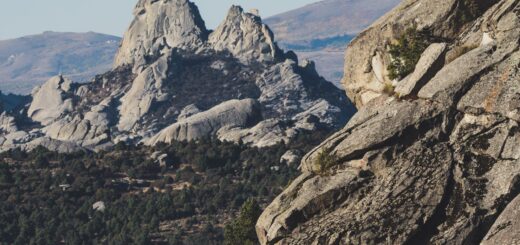
Tsaranoro Valley sits approximately 80 kilometres south of Ambalavao in Madagascar’s southern highlands. The valley’s centrepiece is Tsaranoro Massif, a granite inselberg with vertical and overhanging faces that rival El Capitan in scale. The classic route, Tough Enough (F7b), spans 800 metres over 22 pitches and was first ascended in 2000 by a French team. Other established routes include Out of Africa (F6c+) and Mora Mora (F6b+), both multi-day ascents requiring bivouac on portaledges. The rock quality is excellent — smooth granite with well-defined features. Route information is documented in the CAF topo guide available from Camp Catta base camp, the only accommodation option in the valley, operated by a French-Malagasy team. Permits are obtained directly at Camp Catta for approximately 15,000 Ariary per climbing day.
Rock Climbing at Andringitra National Park
Andringitra hosts Madagascar’s second-highest peak, Pic Boby at 2,658 metres, surrounded by dramatic granite ridges that offer shorter technical routes in a high-altitude environment. Climbing here combines trekking approaches of two to three days from Antanifotsy gate with technical rock sections that require a rope and climbing shoes at minimum. The main climbing area centres on the Pic Karambony corridor (2,641m), which offers ten or more documented routes ranging from F5c to F7a. Unlike Tsaranoro, Andringitra involves genuine altitude cold and afternoon electrical storms between November and April. ANGAP park entry fees are 25,000 Ariary per day, with mandatory registered guides required for all technical sections at approximately 80,000–120,000 Ariary per day. No bolt installation or new route development is permitted without prior written ANGAP approval.
Read also:
Save money on your Madagascar trip:
Gear, Guides and Logistics for Climbing Madagascar
Madagascar has no dedicated climbing shops — bring all essential gear from your home country. A standard granite rack with cams from 0.5 to 3 inches, stoppers, and 60-metre ropes covers most routes at both areas. Quickdraws are pre-placed on bolted routes at Tsaranoro, but Andringitra requires traditional gear on most pitches. Camp Catta at Tsaranoro can provide basic guiding, interpretation, and logistics support. For Andringitra, guides are mandatory by park regulation and can be arranged at the gate in Antanifotsy. Transport to Tsaranoro requires a 4×4 from Ambalavao; the road condition is poor year-round and impossible in the rainy season. The nearest medical facilities for either area are in Fianarantsoa, two to three hours away by good road.
Best Season and Conditions for Climbing in Madagascar
May to October is the optimal climbing window for both Tsaranoro and Andringitra. The austral winter brings dry conditions, low humidity, and stable temperatures ideal for granite friction. Tsaranoro is climbable year-round in theory, but November to March brings afternoon thunderstorms and wet rock that make multi-pitch routes genuinely dangerous. Andringitra is effectively closed for technical climbing between December and March due to high-altitude ice, snow, and storm frequency. At Tsaranoro, July and August are peak months — Camp Catta fills quickly and advance booking is recommended. Temperatures at the base of Tsaranoro reach 25–30°C in winter days but drop to 5–10°C overnight. At Andringitra summit level, overnight temperatures can reach -10°C between June and August, requiring sleeping equipment rated for alpine conditions.
Ready to book your Madagascar trip?
Frequently Asked Questions
Do I need a guide to rock climb in Madagascar?
At Andringitra, guides are mandatory by park regulation. At Tsaranoro, experienced climbers familiar with the routes and with topo information can climb independently with the appropriate permits from Camp Catta.
What grade are the routes at Tsaranoro?
Routes range from F6b to F7c+. Most multi-pitch classics start at F6c and require prior experience with long granite routes. The wall is not suitable for beginners.
Where do I stay when climbing at Tsaranoro?
Camp Catta is the only accommodation option in the valley, offering camping and basic bungalows. Advance booking is recommended for July and August. Contact Camp Catta directly or via tour operators in Fianarantsoa.
Tsaranoro and Andringitra represent Madagascar’s most serious adventure offering — routes of genuine technical difficulty in landscapes with no commercial infrastructure beyond Camp Catta and park gates. Climbers who make the effort are rewarded with walls that few people will ever touch and a climbing culture built on decades of French exploration and local guide expertise. Bring your rack, book well in advance, and plan for the road conditions to add at least a day to every journey.
Plan Your Trip to Madagascar
- Read the full Madagascar Travel Guide
- Explore itineraries by style and duration
- Explore the full destination guide
Where to Stay
Hotels, lodges, and tours fill fast for July–September — compare availability now.