Sakalava Bay Kitesurfing Complete Guide 2026: Conditions, Camps, Season & Costs
Affiliate disclosure: This article contains sponsored links to hotels, tour operators, insurance providers, and other travel services. We earn a small commission if you book through our links, at no extra cost to you.
Sakalava Bay Kitesurfing Complete Guide 2026 — At a Glance
- Why Sakalava Bay: Madagascar’s premier kite spot and one of the Indian Ocean’s best — flat water, bump-and-jump, and a wave section in one bay, with consistent trade winds and few crowds
- Where: Just outside Diego Suarez (Antsiranana), in Madagascar’s far north
- Conditions: Side-shore trade winds, flat-water inside, chop in the middle, reef wave at the mouth
- Best season: The windy season, roughly April–November (dry season), peaking mid-season
- For: All levels — beginners on the flat inside, advanced riders on the full spectrum
- Nearby: The Emerald Sea, Montagne d’Ambre, Diego Suarez town
- Flight protection: EU261 €600 per passenger on disrupted European inbound flights
- Travel insurance: SafetyWing Nomad Insurance — confirm it covers kitesurfing
- Northern stays: Nosy Be & northern hotels on Agoda
🏖 Beach & Snorkel Kit
For Madagascar’s islands and reefs, pack these:
- UPF-50 rash guard — all-day sun protection in and out of the water. See on Amazon →
- Waterproof phone pouch — IPX8 case for boats, beaches and snorkelling. See on Amazon →
- Waterproof dry bag — keeps gear dry on boat transfers and paddling. See on Amazon →
- Quick-dry travel towel — packs tiny, dries in the Madagascar heat. See on Amazon →
- Reef-safe sunscreen — protects you and the coral reefs. See on Amazon →
As an Amazon Associate we earn from qualifying purchases.
Sakalava Bay is the beating heart of Madagascar kitesurfing — the spot that puts the island on the kite map and the reason most kiters travel here. Just outside Diego Suarez (Antsiranana) in the far north, this remarkable bay offers flat water for freestyle and learning, a bump-and-jump zone for big air, and a wave section on the reef, all caught by consistent side-shore trade winds through the windy season — and all with a fraction of the crowds that pack the world’s famous spots. This complete guide covers the conditions, the riding for every level, the kite camps, the season, how to get there, what else the north offers, and exactly how to plan a Sakalava Bay kite trip that delivers session after session.
What makes Sakalava Bay so special is the rare convergence of everything a kiter wants in one place: reliable wind, flat water, waves, warmth, beauty, and space. The bay’s geography channels the trade winds into a steady, side-shore flow — the safest and most useful direction — while the reef and shape create distinct zones for every style of riding. For the full regional picture, see our Madagascar kitesurfing and watersports pillar; this guide focuses on the spot itself.
Why Sakalava Bay Is Madagascar’s Premier Kite Spot
Sakalava Bay’s reputation rests on several strengths that combine to make it world-class. The wind is consistent and side-shore: the bay funnels the southeasterly trade winds (the varatraza) into a steady flow on most days through the windy season, in the safest direction for kiting. The conditions are varied: flat, protected water on the inside; chop in the middle for jumping; and a wave section on the reef at the mouth — a full spectrum rarely found in one spot. The water is warm, so you ride in boardshorts. And the bay is uncrowded, with space to ride, progress, and enjoy the wind without dodging other riders. A kite camp sits right on the beach, so you rig, launch, and ride within steps of your accommodation.
This combination — reliable side-shore wind, every kind of condition, warm water, beauty, and space — is exactly what defines a dream kite spot, and Sakalava Bay delivers it without the crowds that have come to define the famous destinations. For dedicated kiters, the chance to log session after session in quality wind over empty water is the whole appeal, and a week here can genuinely transform your riding.
It is worth stressing how unusual this combination is. Most kite destinations force a compromise — great wind but cold water, warm water but crowds, variety but unreliability. Sakalava Bay asks for almost no compromise on the water itself: the wind is reliable, the water is warm, the conditions are varied, and the space is yours. The only real concession is the journey to get there and the modest infrastructure once you arrive — and for the rider focused on the riding, those are easily accepted. It is this near-absence of on-the-water compromise, more than any single feature, that earns Sakalava Bay its growing reputation among kiters who have ridden widely and know how rare such a spot is. The riders best placed to appreciate it are precisely those who have spent years chasing wind around the world and have learned, often the hard way, just how many destinations fall short on one count or another — and how few deliver as completely, and as quietly, as this genuinely remarkable bay in the far north of Madagascar.
The Conditions in Detail
The flat-water inside
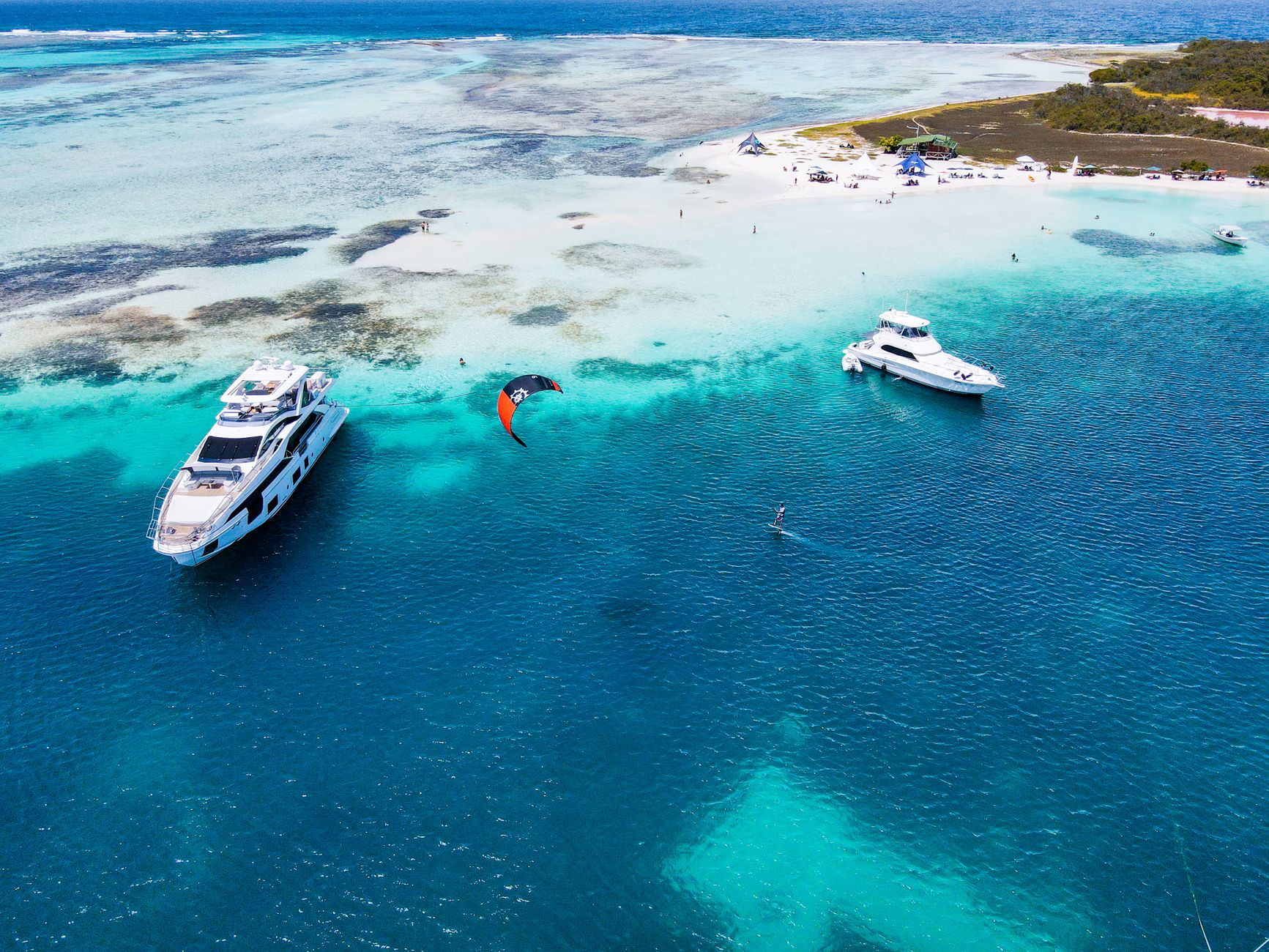
The inside of the bay offers flat, protected, relatively shallow water — ideal for freestyle riders working on tricks and for beginners learning in forgiving conditions. The flat water and steady wind make this one of the better places in the Indian Ocean to learn or progress your freestyle, with space to make mistakes without other riders in the way.
The bump-and-jump middle
Further out, the water picks up chop, creating a bump-and-jump zone perfect for big-air enthusiasts and freeriders who want to boost. The steady wind and open space make this a playground for jumping, with the bay’s consistency meaning you can session it day after day.
The wave section
At the mouth of the bay, the reef produces waves, giving wave riders and strapless enthusiasts a section to play in. The combination of flat water, chop, and waves in one bay is genuinely rare and is a large part of what makes Sakalava Bay so highly regarded — you can mix disciplines across a single session or day.
Kitesurfing at Sakalava Bay for Every Level
Beginners are well served by the flat, shallow inside and the nearby Emerald Sea’s lagoons, with kite schools at the bay offering certified lessons and gear in ideal, forgiving conditions. Intermediate riders can progress on the flat water and bump-and-jump, building skills in reliable wind without crowds. Advanced riders have the full spectrum — flat water for freestyle, chop for big air, and the reef wave for wave riding and strapless — a rare all-in-one playground. Whatever your level, the bay’s range and the camps’ coaching mean you can ride to your ability and push it. Be honest about your level when planning, and a good camp will match the coaching and the zones to suit you.
Kite Camps at Sakalava Bay
Sakalava Bay is home to Madagascar’s main kite camp(s), positioned right on the beach. A good camp offers beachfront accommodation, certified instruction and coaching for all levels, gear rental and storage, safety cover on the water, and the local knowledge to make the most of the conditions. The beachfront location is a major advantage — you rig and launch steps from your room, maximising water time. For beginners, certified instruction is essential for safety and progression; for advanced riders, the camp’s local knowledge and gear matter most. Choosing a reputable camp is the single biggest factor in a good Sakalava Bay trip, and a Madagascar-resident specialist can match you to the right one for your level and the best weeks for wind. Browse northern accommodation options on Agoda for the wider area.
When to Kite Sakalava Bay
The windy season runs roughly April–November (the dry season), and this is when to come. The trade winds blow most reliably through these months, with strong, consistent wind on the large majority of days in the peak mid-season period. The wind typically builds through the morning and peaks in the afternoon. The exact windiest months vary year to year, but the dry season is the reliable window, and timing your trip to the heart of it — and allowing enough days — gives the best chance of session after session. The wet season (December–March) brings lighter, less predictable wind and cyclone risk, and is best avoided. Because wind reliability is everything, planning your dates around the windy season is the single most important decision.
Getting to Sakalava Bay
Sakalava Bay is near Diego Suarez (Antsiranana) in Madagascar’s far north. Most kiters fly into Antananarivo internationally, then take a domestic flight to Diego Suarez, from where the bay is a short transfer (camps usually arrange this). International routes connect via Paris, Addis Ababa, Nairobi, or Mauritius. Because kite gear is bulky, confirm baggage allowances for kite bags on the domestic flight — these can be restrictive and costly. Build a buffer night against flight delays, and protect your inbound flights: if a European inbound flight is delayed or cancelled, EU261 protection can return up to €600 per passenger — worth having when a delay could cost riding days. Once at the bay, the wind is at your doorstep.
Progression: How Much You Can Improve in a Week
One of the underappreciated benefits of Sakalava Bay is how much your kitesurfing can improve in a focused week. Because the wind is reliable and the water uncrowded, you can log far more quality water time than at a fickle or packed spot — and water time is what drives progression. A beginner who arrives never having flown a kite can realistically be riding independently by the end of a week of lessons in the forgiving inside water. An intermediate rider can nail the transitions, jumps, or freestyle tricks that have been eluding them, with the space and steady wind to practise repeatedly. An advanced rider can push their freestyle or wave riding in conditions that reward it. The combination of reliable wind, varied conditions, certified coaching, and uncrowded water is genuinely ideal for progression — far better than snatching occasional sessions at a busy, gusty spot at home.
This is why many riders treat a Sakalava Bay trip as a progression camp: a concentrated block of riding in good conditions that moves their kitesurfing forward more in a week than months of home sessions. If improving is your goal, allow a full week or more, take coaching even if you’re experienced, and use the bay’s range of conditions deliberately — flat water for tricks, chop for jumps, waves for wave riding. The bay rewards the rider who comes to progress, and a good camp’s coaching turns reliable wind into real improvement.
Beyond the Bay: The Far North
One of Sakalava Bay’s great advantages is the extraordinary region around it. On non-windy days, or for non-kiting companions, the far north offers the Emerald Sea (shallow turquoise lagoons, also kiteable), Montagne d’Ambre National Park (rainforest, lemurs, waterfalls), the red and grey tsingy formations, the dramatic bays and headlands around Diego Suarez, and the historic town itself. A Sakalava Bay kite trip can easily fold in a few days exploring this region, turning a kite holiday into a richer northern Madagascar adventure. For kiters travelling with partners or families who don’t kite, the north keeps everyone happy — wildlife and landscapes alongside the wind. This combination of world-class kiting and genuine wildlife and scenery is something few kite destinations can offer.
How Sakalava Bay Compares to the World’s Famous Spots
Riders who have kited the famous Indian Ocean and global spots often find Sakalava Bay a revelation, precisely because of what it lacks: crowds. At Zanzibar’s Paje or Mauritius’s Le Morne, the wind is excellent but the water can be packed, with riders queuing for space and lines crossing. Cape Town, the global mecca, delivers huge wind but in cold water, big crowds, and a very different, high-adrenaline character. Sakalava Bay offers comparable world-class wind — steady, side-shore, reliable through the season — but over warm, largely empty water, with the full spectrum of conditions (flat, chop, wave) in one bay. The trade-off is that it takes more effort to reach and the infrastructure is less developed: one main camp rather than a strip of schools, a remote northern location rather than an established resort scene. For riders who value uncrowded water and a wild setting over polish and convenience, that trade is overwhelmingly worth it.
This is the essence of Sakalava Bay’s appeal and why it increasingly features on the serious kiter’s radar: it offers the conditions of a famous spot with the solitude of a frontier. Our full kitesurfing pillar sets this in the wider context of Madagascar’s watersports, but at spot level, the simple truth is that Sakalava Bay gives you world-class riding with room to breathe — something the famous destinations, for all their strengths, can no longer reliably offer.
What a Session at Sakalava Bay Feels Like
To picture it: you walk out of your beachfront room mid-morning as the trade wind builds across the bay, the water already textured with the first riders out. You pump and rig your kite on the wide beach, launch with the camp’s help, and within moments you’re powered up and skimming across flat turquoise water. The wind is steady and side-shore — predictable, safe, and exactly where you want it — so you can focus on riding rather than fighting gusts. You work the flat inside for freestyle, then drift out to the chop to boost a few jumps, the bay opening up around you with hardly another rider near. As the afternoon wind peaks, the sessions get powered and exhilarating; when you’ve had your fill, you ride back to the beach steps from your room. That rhythm — rig, ride, rest, repeat, all within a few metres of your accommodation — is the joy of a Sakalava Bay trip, and the consistency of the wind means you can do it day after day.
What riders remember most is the space and the setting: world-class wind over empty, warm, turquoise water against a backdrop of wild northern coastline. After the crowds of the famous spots, the freedom to ride uninterrupted is a revelation, and it is why so many kiters who discover Sakalava Bay return.
A Sample Kite Week at Sakalava Bay
To show how a trip comes together, here is a relaxed week:
Day 1: Arrive via Diego Suarez, transfer to the beachfront camp, rig check and an orientation to the bay’s zones and conditions.
Days 2–3: Settle into the riding — flat-water inside for the first sessions, building confidence in the steady wind.
Day 4: A lighter-wind day, perhaps — a chance to visit the Emerald Sea or explore the north, or a coaching session to refine technique.
Days 5–6: Peak riding — flat water, bump-and-jump, and the wave section, mixing disciplines as the wind allows.
Day 7: A final morning session before departure, leaving wanting more.
This shape balances dedicated riding with the flexibility to explore the north on lighter days and to rest between powered sessions. A specialist and camp adjust it to the wind and your level, and the more days you allow, the more riding you bank against any light-wind spell.
The Emerald Sea Day Trip
No Sakalava Bay trip is complete without a day on the nearby Emerald Sea (Mer d’Émeraude) — a stretch of waist-deep, brilliant turquoise water enclosed by reef, often reached by boat. The shallow, flat, forgiving water is ideal for beginners and freestyle riders, and the sheer beauty of the setting — turquoise as far as you can see, deserted white-sand beaches, often not another rider in sight — makes it one of the most beautiful places to kite anywhere. Many camps run Emerald Sea excursions, combining a day’s riding with the boat trip and a beach picnic. Even non-kiters love the Emerald Sea for its snorkelling and sheer beauty, making it a perfect day for mixed groups. It is the kind of place that, once experienced, becomes the highlight of the trip.
Where to Stay and What to Bring
The main accommodation for Sakalava Bay kiters is the beachfront kite camp, offering rooms or bungalows steps from the water, meals, gear storage, and the all-important on-the-beach location. For those wanting more comfort or travelling with non-kiting companions, Diego Suarez and the surrounding area offer hotels and lodges, with transfers to the bay — browse the wider northern options to gauge tiers. For gear: many riders bring their own kites and boards (a range of kite sizes covers variable wind), though camps offer quality rental — confirm in advance. Pack high-factor sunscreen, a rash vest, sunglasses on a strap, booties for any reef, a helmet and impact vest if you use them, and soft luggage. Confirm baggage allowances for kite bags on the domestic flight north, as these can be restrictive. Kiters combining the trip with other watersports around Nosy Be may also enjoy our Nosy Be beaches guide for the wider coastal picture.
Safety and Insurance at Sakalava Bay
Kitesurfing is an adventure sport, and Sakalava Bay’s remote northern location raises the stakes, making the right insurance essential — and crucially, confirm it covers kitesurfing, as many policies exclude it. Coverage should include medical emergencies and evacuation, the activity of kitesurfing, and trip disruption. SafetyWing Nomad Insurance offers flexible coverage well suited to active travel — verify the kitesurfing inclusion. On the water, ride within your limits, heed the camp’s advice on the reef and conditions, use safety cover, and check your gear and the wind. The trade winds can be strong, so a sensible, safety-conscious approach is essential — but with the right precautions, Sakalava Bay is a wonderfully rewarding place to ride.
The Cost of a Sakalava Bay Kite Trip
A Sakalava Bay kite trip is good value compared to premium kite destinations. A kite-camp week — beachfront accommodation, daily riding, gear, and meals — typically runs in the region of $1,800–$4,000 per person all-in including international flights, depending on the camp tier and whether you rent gear. Adding private coaching, premium accommodation, or extending the trip increases this. The biggest cost variables are the camp tier, gear rental versus bringing your own, trip length, and international airfare (the largest single cost of reaching northern Madagascar). Sharing accommodation and travelling in a group reduces the per-person cost. For a full breakdown of kite-trip costs by tier, see our kite trip cost guide, linked from the Madagascar kitesurfing pillar. Compared to Mauritius or a long-haul Cape Town trip, Sakalava Bay offers world-class wind at reasonable on-the-ground cost — excellent value for the quality and the solitude.
Why a Specialist Matters for a Sakalava Bay Trip
More than many trips, a Sakalava Bay kite trip rewards being planned by someone who knows the spot and the wind. Timing the wind is everything — a specialist who knows the local seasonal patterns can steer you to the windiest weeks, the difference between a trip of endless sessions and one of frustrating waiting. Camp selection matters — the right camp delivers quality instruction, gear, safety, and the beachfront location that maximises riding. Logistics in the remote north are complex — coordinating the domestic flight, bulky kite-bag baggage, and transfers takes local knowledge, and getting it wrong costs riding days. Insurance is a detail easily missed — a specialist ensures your cover includes kitesurfing, which many policies exclude. Booking a Sakalava Bay trip blind risks arriving in a light-wind week, at the wrong camp, with baggage problems — a wasted trip when the whole point is the wind. The small effort of planning with a Madagascar-resident specialist is the difference between a frustrating trip and a dream one, and it is why we always recommend it.
Common Questions Before You Book
How windy is it, really? Through the windy season, Sakalava Bay sees usable wind on the large majority of days, building through the morning and peaking in the afternoon — but it does vary, which is why timing and trip length matter.
Can a complete beginner go? Yes — the flat, shallow inside and the Emerald Sea are excellent learning spots, with certified instruction. Allow enough days to progress.
What if my partner doesn’t kite? The far north offers wildlife, the Emerald Sea, and landscapes to keep non-kiters happy while you ride, all from the same base.
Do I bring my own gear? You can, or rent quality kit from the camp — confirm in advance, and check kite-bag baggage rules on the domestic flight.
Is it safe? With a reputable camp, safety cover, sensible riding within your limits, and the right insurance, yes — but treat the strong trade winds and remote location with respect.
These are exactly the questions a Madagascar-resident specialist answers honestly before you book, matching the trip to your level, dates, and companions so there are no surprises on the water.
Planning Your Sakalava Bay Kite Trip
A great Sakalava Bay trip comes down to a few decisions: time it for the windy season (ideally the windier mid-season months), choose a reputable kite camp matched to your level, confirm gear (bring or rent), plan transfers for bulky kite bags, confirm insurance covers kitesurfing, and allow enough days to absorb any light-wind spell. Get those right and the bay does the rest. A Madagascar-resident specialist can secure the right camp, time the wind, and handle the logistics so you can focus on riding. See the full regional picture in our Madagascar kitesurfing pillar, and the wider coastal options in our best beaches and coastal escapes guide.
Carla / Voyagiste Madagascar (bespoke Sakalava Bay kite planning)
Madagascar-resident specialist for Sakalava Bay kite trips. Contact Carla directly to plan a Sakalava Bay trip matched to your level, dates, and budget — the right camp, the windiest weeks, and seamless logistics, so the bay delivers the riding you came for.
Frequently Asked Questions
Is Sakalava Bay good for kitesurfing?
Exceptionally — it’s Madagascar’s premier spot and one of the Indian Ocean’s best, with flat water, bump-and-jump, and a wave section in one bay, consistent side-shore trade winds, and few crowds.
Where is Sakalava Bay?
Just outside Diego Suarez (Antsiranana) in Madagascar’s far north, reached by domestic flight from Antananarivo then a short transfer.
When is the best time to kite Sakalava Bay?
The windy season, roughly April–November (dry season), peaking in the mid-season months. Time your trip to this window for reliable wind.
Can beginners learn at Sakalava Bay?
Yes — the flat, shallow inside and the nearby Emerald Sea offer ideal learning conditions, with kite schools providing certified lessons and gear.
What conditions does Sakalava Bay offer?
Flat water inside for freestyle and learning, chop in the middle for big air, and a wave section on the reef — a full spectrum in one bay.
Do I need special insurance?
Yes — confirm your travel insurance covers kitesurfing, as many exclude it. See SafetyWing.
🪁 Plan Your Sakalava Bay Kite Trip With Carla
Sakalava Bay is Madagascar’s kite heartland — let us match you to the right camp and the windiest weeks. Reach out to Carla, our Madagascar-resident specialist, for the right camp, season, and logistics for your level.
Plan Your Trip to Madagascar
- Read the full Madagascar Travel Guide
- Explore itineraries by style and duration
- Explore the full destination guide
Where to Stay