Betsimisaraka People: East Coast Malagasy Culture for Visitors
This post contains affiliate links. We may earn a small commission at no extra cost to you.
At a Glance
- Who: second-largest ethnic group in Madagascar (~15% / 4.5 million), dominant on the east coast
- Territory: from Toamasina (Tamatave) north to Masoala and south to Mananjary
- Origin: unified in the 18th century by Ratsimilaho, son of an English pirate and a Malagasy woman
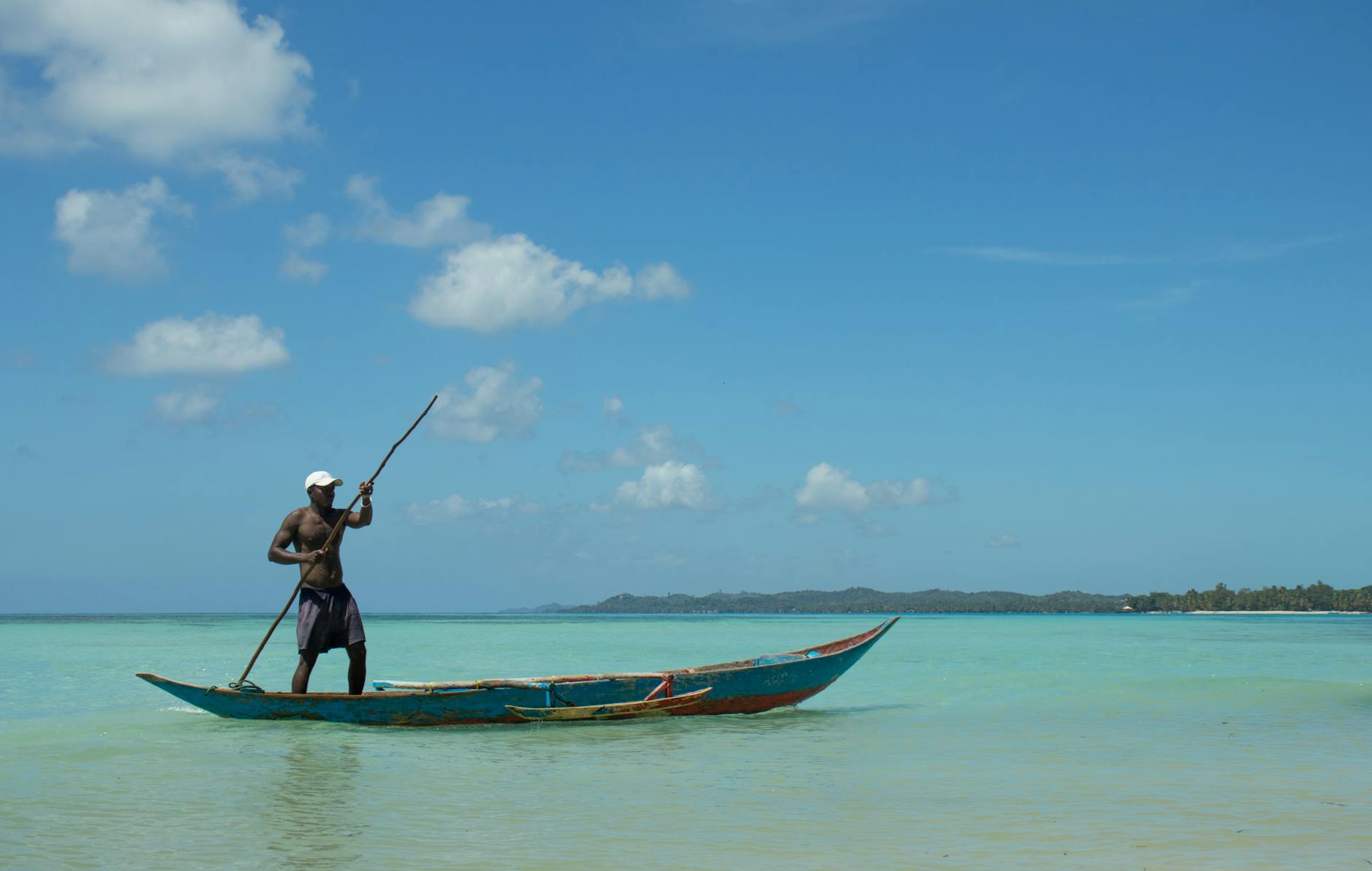
- Known for: sacred forests (ala masina), pirogue fishing, vanilla cultivation, Île Sainte-Marie heritage
- Climate: wettest region in Madagascar — 3,000–4,000mm rainfall per year
- Key taboo: entering an ala masina sacred forest without local permission
- Base hotel: Find hotels in Toamasina on Agoda
- Travel insurance: SafetyWing
💼 Paperwork & Documents Kit
Keep your visa, passport and papers organised and secure:
- RFID passport holder — protects your passport and blocks card-skimming. See on Amazon →
- Travel document organizer — keeps visa papers, tickets and copies in one place. See on Amazon →
- Digital luggage scale — avoid overweight fees at the airport. See on Amazon →
- Travel journal — record the trip and keep key numbers offline. See on Amazon →
- Packing cubes — pack faster and find everything in seconds. See on Amazon →
As an Amazon Associate we earn from qualifying purchases.
The Betsimisaraka shape the entire east coast of Madagascar — a humid, forested, rain-soaked corridor that produces 80% of the world’s vanilla and contains some of the island’s last great rainforests. Understanding Betsimisaraka culture means understanding rain, sacred forest, and outrigger pirogues — three things that have defined daily life on this coast for centuries.
Betsimisaraka Identity and the Pirate Origin Story
The name Betsimisaraka translates as the many inseparable — a reference to the political unification of previously disparate east coast clans in the early 18th century. The unification is one of the most unusual founding stories of any African ethnic group. Ratsimilaho, the founder, was the son of Princess Antavaratra Rahena and Thomas White, an English pirate who used Madagascar’s east coast (particularly Île Sainte-Marie) as a base in the late 17th century. Ratsimilaho’s European heritage gave him early access to firearms and trading networks that no rival chief could match — by 1712 he had unified the entire east coast from Antalaha to Mananjary into a single confederacy.
The Betsimisaraka confederacy lasted into the 19th century before being absorbed into the Merina Kingdom. Today the Betsimisaraka are approximately 4.5 million strong — Madagascar’s second-largest ethnic group after the Merina. The east coast climate has shaped their culture profoundly. With 3,000 to 4,000 millimetres of annual rainfall (some areas receive over 6,000mm), agricultural patterns, settlement layouts, and architectural choices all respond to humidity, cyclones, and dense rainforest in ways that contrast sharply with the dry, terraced highland Merina world covered in our Merina culture guide.
Ala Masina — Sacred Forests and Spiritual Geography
Ala masina (sacred forests) are the spiritual centre of east coast Betsimisaraka life. Every traditional community maintains one or more forest areas under strict spiritual protection — entry is governed by fady that may restrict access to initiated elders, require specific ritual purification, or forbid entry on particular days. Some ala masina protect ancestral burial sites; others mark the location of historic events; others have no obvious anthropic purpose but are simply known to be the dwelling of ancestral or nature spirits.
The conservation implication is significant. Many ala masina forests have survived the deforestation that has affected almost everywhere else on Madagascar’s east coast — including some patches that contain the only remaining populations of certain endemic species. The sacred status creates a parallel protection regime alongside (and sometimes more effective than) official national park status. For travellers: never enter an east coast forest area without your guide’s confirmation. Our guide to fady covers the full cultural framework, and the phrases you need are in our language basics guide.
Vanilla, Cloves and the East Coast Economy
The east coast — particularly the SAVA region (Sambava, Antalaha, Vohémar, Andapa) in the northeast — produces approximately 80% of the world’s vanilla supply. Vanilla was introduced from Mexico via Réunion in the 19th century, but the cultivation labour, processing, and trade are overwhelmingly in Betsimisaraka and related communities (especially Antemoro and Antesaka). Vanilla cultivation is extraordinarily labour-intensive: each flower must be hand-pollinated, harvested green, then cured through a months-long process of sun-drying and conditioning that develops the flavour.
Vanilla theft is a serious regional security issue. Mature vines worth hundreds of dollars each are routinely targeted by organised theft rings, and harvest-season communities organise armed nighttime patrols. As a visitor: never touch vanilla plants on private property, never carry green pods without local documentation, and respect locals’ caution around unknown travellers during harvest season (June–August). Clove cultivation in the same region — smaller economically but culturally significant — provides much of Madagascar’s clove oil and dried-clove export trade. Toamasina port handles the majority of east coast agricultural exports.
Visiting Betsimisaraka Country
Toamasina (Tamatave) is the main entry point for the central east coast. It is 4–5 hours from Antananarivo by road on the RN2 (the country’s best-maintained eastern route) or roughly 1 hour by domestic flight. The city itself is functional rather than scenic — a working commercial port — but it provides the obvious base for east coast exploration. Search Toamasina hotels on Agoda.
Île Sainte-Marie (Nosy Boraha) — Ratsimilaho’s spiritual heartland and the historic pirate base — sits 8 kilometres off the east coast and is reached by domestic flight (1 hour from Antananarivo) or ferry from the port of Soanierana-Ivongo. The island combines Betsimisaraka culture, pirate cemetery sites, and seasonal humpback whale watching. Our Île Sainte-Marie whale season guide covers the July–September migration window. North of Toamasina, the Masoala Peninsula offers Madagascar’s largest remaining lowland rainforest — accessible only via Maroantsetra (1-hour flight from Antananarivo) and boat transfer.
Flight delayed or cancelled? East coast routes are sensitive to cyclone-season weather (December–March). Check your compensation claim free on AirAdvisor — eligible passengers can receive up to €600.
Frequently Asked Questions
Where do most Betsimisaraka people live?
Along the entire east coast of Madagascar from Toamasina (Tamatave) north to Maroantsetra and south to Mananjary. The major population centres are Toamasina, Île Sainte-Marie, and the SAVA region in the northeast (Sambava, Antalaha, Vohémar, Andapa). Inland Betsimisaraka populations extend into the foothills bordering the central highlands.
Why is the east coast region called the wettest part of Madagascar?
The east coast receives 3,000 to 4,000 millimetres of rainfall annually — some areas exceed 6,000mm. The cause is the prevailing southeast trade winds that pick up moisture over the Indian Ocean and release it as the air rises over Madagascar’s eastern escarpment. The result is dense rainforest, vanilla-friendly humidity, and significant cyclone exposure between December and March.
Is Île Sainte-Marie a good place to experience Betsimisaraka culture?
Yes, especially historically. Île Sainte-Marie (Nosy Boraha) was unified by Ratsimilaho — the founder of the Betsimisaraka confederacy — and remains culturally Betsimisaraka. The island combines easy access (1-hour flight from Antananarivo), seasonal whale watching, and historical pirate sites with a working Malagasy fishing culture. It is one of the most rewarding destinations for travellers interested in east coast heritage.
The Betsimisaraka east coast is Madagascar’s wettest, greenest, and most economically active region — and one of the least understood by foreign travellers. Plan around the dry months (May–November) outside cyclone season, base yourself in Toamasina or Île Sainte-Marie, and treat the ala masina forests with the same respect as any national park. Before traveling to the east coast, particularly during cyclone season, make sure your insurance covers weather-related disruption and medical evacuation. Check SafetyWing’s plans for Madagascar.
Travel Insurance for Madagascar
Medical evacuation from Madagascar costs $30,000–$80,000. Don’t travel without cover.
- SafetyWing — monthly-subscription travel medical cover; you can check their plans.
- World Nomads — single-trip travel insurance with adventure-activity options.
Plan Your Trip to Madagascar
- Read the full Madagascar Travel Guide
- Explore itineraries by style and duration
- Explore the full destination guide
Where to Stay