Top 15 Things to Do in Diego Suarez (Antsiranana): The Ultimate Experience Guide (2026)
Affiliate disclosure: This article contains sponsored links to hotels, tour operators, insurance providers, and other travel services. We earn a small commission if you book through our links, at no extra cost to you.
At a Glance — Diego Suarez
- Where: Antsiranana (Diego Suarez), the far-northern tip of Madagascar, set on one of the largest natural bays on Earth.
- Best time to visit: April to November (dry season); September–October offers the finest all-round conditions.
- Best for: adventure travellers, families, nature lovers, photographers, and watersports fans.
- Tours & excursions: Browse Diego Suarez tours on GetYourGuide — Emerald Sea trips sell out fast.
- Where to stay: Check availability on Agoda for Diego Suarez.
- Getting around: Book a car with driver on Carla — there is no reliable public transit.
- Travel insurance: Get covered with SafetyWing before you fly north.
🎒 Madagascar Trip Essentials
A few inexpensive items make the biggest difference on the ground in Madagascar:
- Picaridin insect repellent — DEET-free protection against malaria mosquitoes. See on Amazon →
- Permethrin clothing spray — treat clothes; kills mosquitoes on contact for weeks. See on Amazon →
- Pop-up mosquito net — budget lodges rarely provide one; packs down tiny. See on Amazon →
- Water filter bottle — tap water isn’t safe to drink in Madagascar. See on Amazon →
- Universal travel adapter (USB-C) — Madagascar uses European-style plugs. See on Amazon →
- 8×42 binoculars — essential for spotting lemurs and chameleons in the canopy. See on Amazon →
As an Amazon Associate we earn from qualifying purchases.
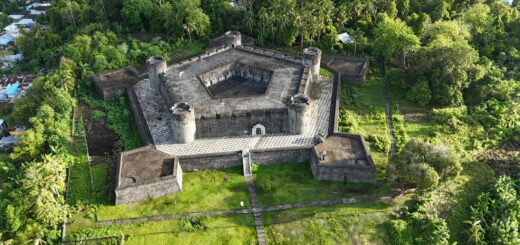
Diego Suarez — officially Antsiranana — sits at the northernmost tip of Madagascar, wrapped around one of the largest natural harbours on the planet. Few places in the country pack this much variety into such a small radius: an emerald lagoon, red rock pinnacles, a volcanic rainforest, dramatic bays, and faded French colonial streets, all within a day’s reach of town.
This guide covers the 15 most rewarding things to do in and around Diego Suarez, with honest, practical advice for each one — plus where to stay, how to get around, and the flight-and-insurance essentials for reaching Madagascar’s remote far north.
What sets Diego Suarez apart is how much it delivers within short distances. You can spend the morning in a cool rainforest and the afternoon on a windswept white-sand bay, snorkel a coral lagoon one day and photograph red rock spires the next. That density of experience makes it one of the most efficient — and most memorable — bases in the whole country.
1. Sail Across the Emerald Sea (Mer d’Émeraude)
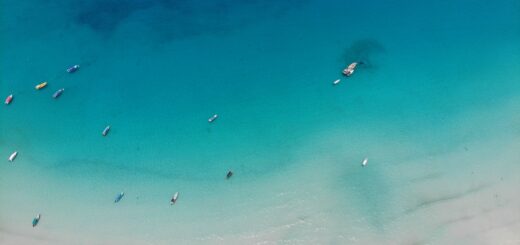
The Emerald Sea is Diego Suarez’s signature experience and the reason many travellers come this far north. A full-day boat trip from Ramena beach carries you across a shallow, luminous turquoise lagoon protected from the open ocean by a coral reef.
You wade through waist-deep water so clear it seems unreal, snorkel over the reef, and share a fresh grilled-seafood lunch on a sandbank with barely another soul in sight. Bring reef-safe sunscreen and a dry bag — there is little shade out on the water. It is a genuinely bucket-list day.
Trips usually run in traditional sailing pirogues or motorboats and depart in the morning to make the most of the light and the calm water. Sea conditions depend on the wind, so plan the Emerald Sea for a day when the trade winds ease, and be flexible with your itinerary. A hat, polarised sunglasses, and water shoes for the reef make the whole experience far more comfortable.
Reserve your Emerald Sea excursion on GetYourGuide now — the popular dates book out weeks ahead.
2. Kitesurf at Baie des Sakalava
Sakalava Bay is one of the great kitesurfing spots in the Indian Ocean. Steady trade winds blow for months at a time, the water is warm and shallow across a wide flat lagoon, and the bay stays refreshingly uncrowded compared with the world’s better-known kite destinations.
Beginners can take lessons and rent gear from the seasonal kite camps, while experienced riders chase the reliable afternoon breeze. Even if you never touch a kite, the sight of dozens of coloured sails against an empty bay is worth the drive out. The windiest, most consistent months run roughly from May to September.
Windsurfers and paddleboarders also make the most of the flat water, and there is usually somewhere to grab a cold drink and watch the action. If you are travelling with non-surfers, the bay’s shallow edges make a safe, warm swimming spot, so nobody is left out of a day at Sakalava.
3. Explore the Three Bays Walk (Les Trois Baies)
The Three Bays circuit strings together three completely different coastal landscapes in a single unforgettable day: Sakalava Bay with its kitesurfers, Pigeon Bay (Baie des Pigeons) with sheltered snorkelling, and Dune Bay (Baie des Dunes) with its wind-sculpted white sand.
You can do it as a guided coastal walk between the bays or as a 4×4 loop, depending on the season and your energy. Either way, carry plenty of water — the northern sun is fierce and shade is scarce along the shore.
Book a guided Three Bays tour on GetYourGuide or arrange your own 4×4 with a driver on Carla.
4. Discover Montagne d’Ambre National Park
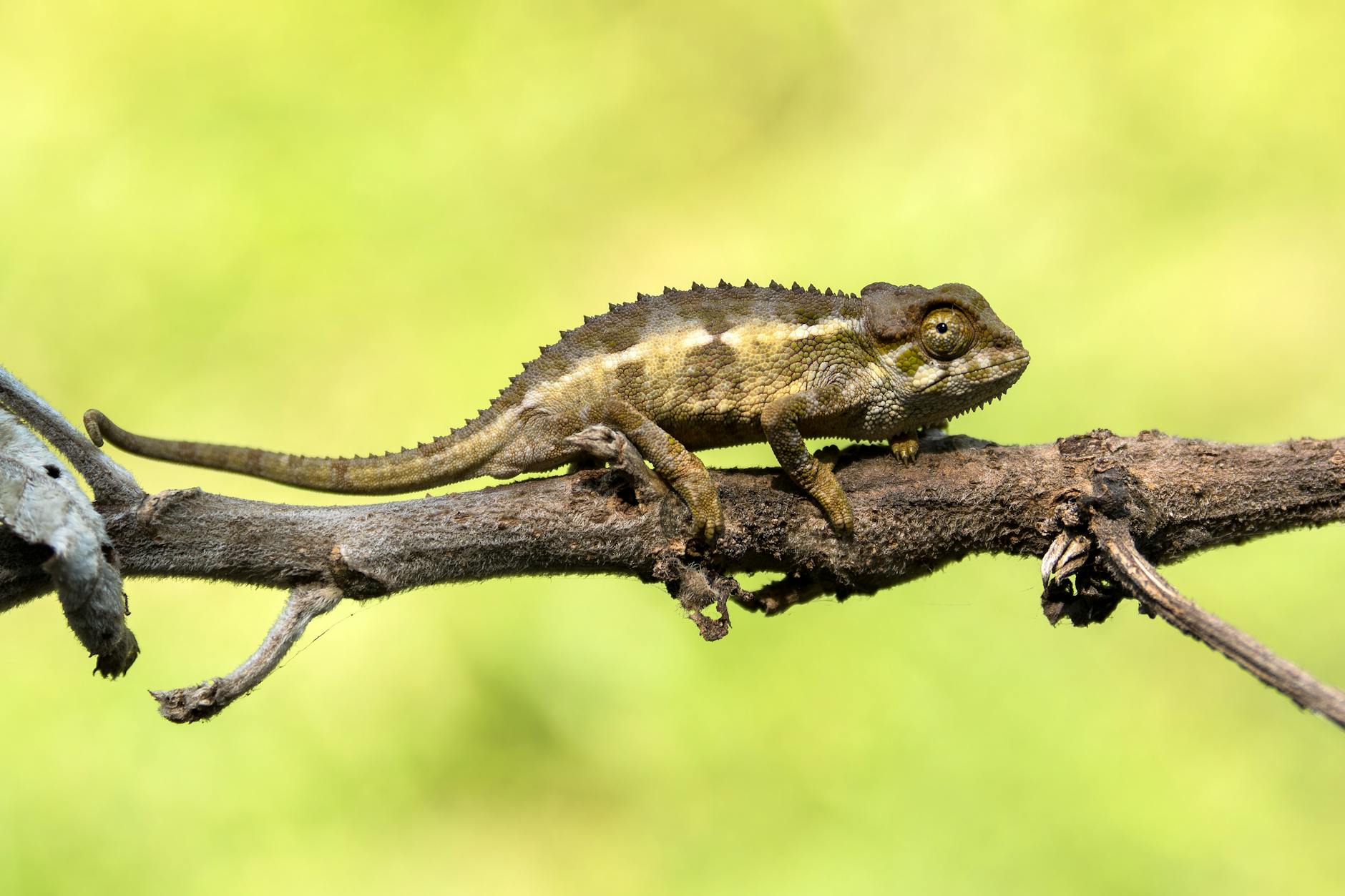
Just south of the city, Montagne d’Ambre (Amber Mountain) National Park is a cool, misty volcanic rainforest that feels like another world after the dry northern coast. Waterfalls tumble into crater lakes, and the trails are alive with lemurs, chameleons, and the tiniest of frogs.
It is easily reached on a half- or full-day trip from Diego Suarez, and a licensed local guide is well worth it for spotting the wildlife you would otherwise walk straight past. Bring a light layer — the forest is noticeably cooler and damper than the coast — and sturdy shoes for the muddy trails. Highlights include the Cascade Sacrée (Sacred Waterfall), the Grande Cascade, and the small but jewel-like crater lakes hidden in the canopy. For a deeper dive, read our dedicated Montagne d’Ambre National Park guide before you go.
5. Witness the Tsingy Rouge (Red Tsingy)
The Tsingy Rouge is a field of surreal red-and-ochre pinnacles sculpted by erosion into spires, towers, and fluted walls. Unlike Madagascar’s famous grey limestone tsingy, these are formed from soft, richly coloured sandstone and laterite.
Visit in the late afternoon when the low sun deepens the reds to a glowing crimson — it is one of the most photogenic spots in the whole north. The site is reached by 4×4 on rough tracks, so a driver who knows the route is essential.
It is a quick stop rather than a long hike, which makes it easy to combine with the Emerald Sea or the Three Bays on the same excursion. The colours are constantly changing as the formations continue to erode, so no two visits look quite the same. Bring a camera with a zoom if you can, and take a moment to walk the viewpoints for different angles on the spires.
6. Feast on Fresh Seafood at Ramena Beach
Ramena is a laid-back fishing village a short drive from the city, with a broad beach and a string of simple restaurants right on the sand. This is where you eat grilled lobster, garlic prawns, and just-landed red snapper with your toes in the sand and the bay in front of you.
Prices are approximate and vary by season and catch, so ask before ordering and confirm locally — but a seafood feast here remains one of the best-value meals in northern Madagascar. Pair it with our roundup of the top restaurants in Diego Suarez.
7. Hike Montagne des Français (French Mountain)
French Mountain rises just east of town, its dry forest scattered with colonial-era and wartime ruins. The climb is moderate, and the reward is a sweeping panorama over the immense Bay of Diego Suarez and the sugarloaf islet far below.
Go at sunrise or late afternoon to dodge the heat and catch the best light. It is a favourite of photographers and an easy half-day outing that pairs well with a visit to Ramena afterwards. Wear proper shoes, carry water, and keep an eye out for the baobabs and birdlife along the way — the dry forest here is quietly full of surprises.
8. Admire the Sugarloaf Islet (Nosy Lonjo / Pain de Sucre)
Rising straight out of the bay, the Sugarloaf islet — Nosy Lonjo, or Pain de Sucre — is Diego Suarez’s most recognisable landmark. The small conical island is considered sacred by locals and is best admired from the waterfront, from a bay excursion, or from the heights of Montagne des Français.
9. Wander the Colonial Streets of Antsiranana
Diego’s old town is a slow-burn pleasure: peeling French colonial facades, wrought-iron balconies, and the long, café-lined Rue Colbert at its heart. Take a morning to walk it — browse the shops, grab a coffee or a pastry, and watch daily life unfold in one of Madagascar’s most atmospheric port cities.
The town’s history as a French naval base is written into its architecture, from grand old warehouses to shuttered townhouses in fading pastels. It is a comfortable, walkable centre, and pausing at a terrace café to watch the passeggiata of the early evening is one of the simplest pleasures Diego offers. Photographers will find endless texture in the weathered walls and street corners.
10. Snorkel at Baie des Pigeons
Pigeon Bay is one of the calmest, clearest snorkelling spots in the region — a sheltered cove where the water stays glassy even when the wind is up elsewhere. It is often folded into the Three Bays outing, but it is worth a slower, dedicated visit if you love reef life.
11. Take a 4×4 Adventure Through the Far North
Beyond the headline sights, the far north rewards travellers who go looking. A 4×4 opens up remote beaches, hidden viewpoints, and lesser-known reserves — and the journey itself, across arid plains, coastal dunes, and pockets of green forest, is half the adventure.
Ambitious drivers can push on to Ankarana’s tsingy and caves, the Windsor Castle rock, or the Nosy Hara marine park. For the full lay of the land, see our Diego Suarez and the far north complete guide.
12. Watch the Sunset Over the Bay of Diego Suarez
Sunset over the Bay of Diego Suarez is a nightly event worth planning around. From Ramena beach or the ridgeline of Montagne des Français, the sky shifts through gold and rose while the sugarloaf and the mountains fall into silhouette across one of the world’s great harbours. Bring a cold drink and simply watch.
13. Explore the Local Markets
Antsiranana’s markets are a feast for the senses — pyramids of tropical fruit, heaps of vanilla and northern spices, and stalls of handmade crafts that make far better souvenirs than anything in an airport shop. Go early, go hungry, and be ready to haggle gently and with a smile.
14. Try Authentic Malagasy Street Food
Street food in Antsiranana is cheap, tasty, and everywhere: grilled zebu skewers (masikita), the herby beef-and-greens stew romazava, samosas, and fried bananas. A full local meal typically costs only a few dollars — but treat any figure as approximate and check the current price before you order.
15. Use Diego Suarez as Your Far-North Gateway
With flights into Arrachart Airport, Diego Suarez is the natural base for exploring the whole northern tip of Madagascar. From here you can branch out to Ankarana, the Emerald Sea, and beyond, or combine your trip with the beaches and dive sites elsewhere on the island. Base yourself here and let the region come to you.
Getting There & Getting Around
Diego Suarez is reached by a domestic flight of roughly two hours from Antananarivo into Arrachart Airport — the road journey is very long and rough, so most travellers fly. Once you land, be prepared for the reality of Madagascar: there is no reliable public transit, and the region’s best sights are spread out over rough tracks.
The sensible way to see the far north is with a car and a driver who knows the routes to the Emerald Sea, the Tsingy Rouge, and Montagne d’Ambre. It saves you time, spares you the guesswork, and keeps the whole trip flexible.
Flight delayed or cancelled on the way to Diego? Flights to Madagascar often connect through Paris or Nairobi, and long delays are common. Under EU regulation EC 261 you may be entitled to up to €600 in compensation. Check your claim free on AirAdvisor →
Where to Stay in Diego Suarez
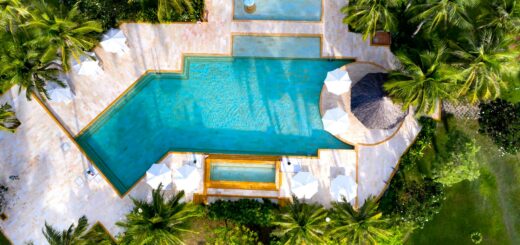
Diego Suarez has everything from breezy beachfront lodges out at Ramena to boutique hotels and simple budget guesthouses in the old town. Staying in town keeps you close to restaurants and markets; staying at Ramena puts you next to the beach and the Emerald Sea boats. Rooms fill quickly in the dry season, so book ahead.
Check availability and current rates on Agoda for Diego Suarez, and for a full breakdown of neighbourhoods and options read our guide to where to stay in Diego Suarez and the best beaches in Diego Suarez.
Suggested 5-Day Diego Suarez Plan
Five days is the sweet spot for covering the highlights without rushing. A rough shape that works well:
- Day 1: Arrive, settle in, and walk the colonial old town and Rue Colbert.
- Day 2: Full day at Montagne d’Ambre National Park.
- Day 3: Three Bays walk plus kitesurfing or a beach afternoon at Sakalava Bay.
- Day 4: Emerald Sea boat excursion from Ramena.
- Day 5: Tsingy Rouge in the afternoon light, then sunset over the bay.
Travel Insurance for Northern Madagascar
The far north is remote and medical facilities are limited — this is not a region to visit uninsured. A serious accident on a kite, a boat, or a mountain trail can mean an air evacuation, and medical evacuation from Madagascar can cost anywhere from $30,000 to $80,000. The right policy turns a catastrophe into a phone call.
Get a SafetyWing Nomad Insurance quote before you travel — it covers medical emergencies and evacuation and is built for exactly this kind of off-grid trip.
Frequently Asked Questions
How do I get to Diego Suarez?
Most travellers fly from Antananarivo into Arrachart Airport, a flight of roughly two hours. Driving is possible but very long and rough, so flying is the practical choice for most itineraries.
What is the best time to visit Diego Suarez?
The dry season from April to November is best, with September and October offering the finest all-round conditions. The windiest kitesurfing months at Sakalava Bay run roughly May to September.
How many days do I need in Diego Suarez?
Plan for at least four to five days to do justice to the Emerald Sea, Montagne d’Ambre, the Three Bays, and the Tsingy Rouge without rushing between them.
Do I need a car and driver?
Yes, in practice. There is no reliable public transit and the main sights sit at the end of rough tracks, so a car with a knowledgeable driver is the standard and safest way to get around.
Is Diego Suarez safe for tourists?
Diego Suarez is generally welcoming and relaxed. Take normal precautions with valuables, avoid unlit areas at night, and always carry travel insurance given how remote medical help can be.
Can I see lemurs near Diego Suarez?
Yes — Montagne d’Ambre National Park is the easiest place, with several lemur species along its rainforest trails, and a guide greatly improves your chances of spotting them.
Ready to Plan Your Diego Suarez Trip?
The far north’s best lodges, boats, and tours fill fast in the dry season — lock in your plans now.
Browse Diego Suarez tours on GetYourGuide →
Check hotel availability on Agoda →
Get travel insurance with SafetyWing →
Questions about your northern Madagascar route? Get in touch with us here.
Plan Your Trip to Madagascar
- Read the full Madagascar Travel Guide
- Explore itineraries by style and duration
- Explore the full destination guide
Where to Stay