Ankarafantsika Day Trip from Mahajanga: Wildlife and Route Guide
This post contains affiliate links. We may earn a small commission at no extra cost to you.
At a Glance
- Distance from Mahajanga: 115 km south on RN4 (2 hours)
- Key wildlife: 8 lemur species, 135 bird species, mongoose lemur
- Best time: April–October (dry season)
- Book a guide: Browse Madagascar wildlife tours on GetYourGuide
- Stay in Mahajanga: Find hotels in Madagascar on Agoda
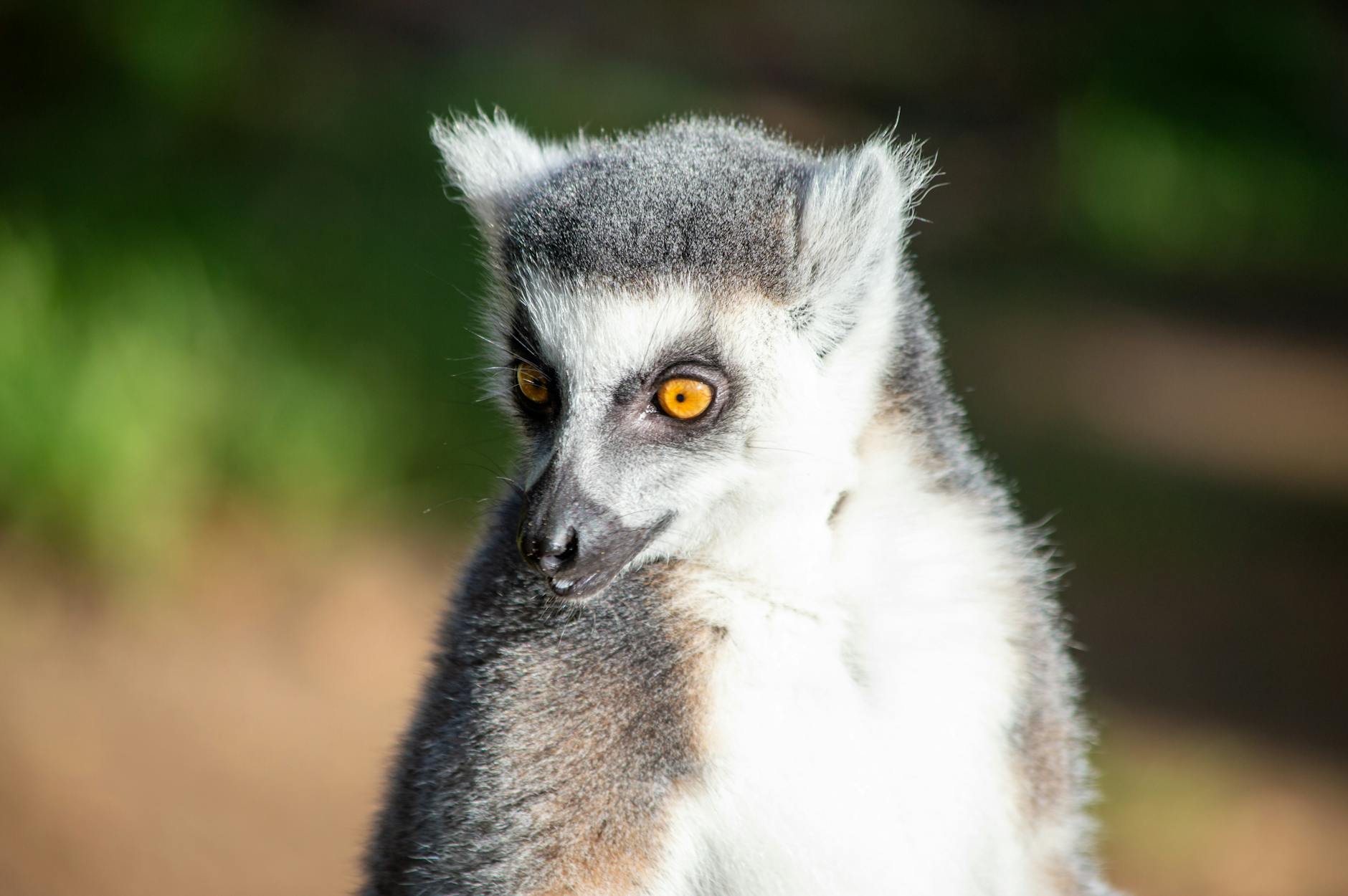
Ankarafantsika National Park sits 115 kilometres south of Mahajanga along RN4, making it the most accessible major park from Madagascar’s northwest coast. Home to eight lemur species, over 135 bird species including a third of Madagascar’s endemic ducks, and the critically endangered mongoose lemur, it rewards early departures with exceptional wildlife encounters. For planning your visit around the right season, see our guide to the best time to visit Madagascar.
Recommended Gear for Your Madagascar Wildlife Trip
You’re Flying 10,000km to See Lemurs, Chameleons, and Fossa — Don’t Document It With a Phone Camera
Indri lemurs calling across the canopy of Andasibe. Panther chameleons in electric blue and orange. The fossa spotted on a night walk in Kirindy. A smartphone sensor in low rainforest light produces grainy, blurred images. The Sony a6400 with Real-Time Eye Autofocus locks onto animal eyes instantly — even through undergrowth and low light. APS-C sensor, 4K video, flip-up touchscreen.
Check current price and availability on Amazon →
Madagascar Has Over 100 Species of Lemur and 280 Species of Bird — You’ll Miss Most of Them Without Binoculars
Sifaka lemurs leap between canopy trees 30 metres up. The Madagascar fish eagle perches on a branch 200 metres across a lake. Without binoculars, you’re looking at distant shapes and taking your guide’s word for it. The Vortex Diamondback HD 10×42 delivers HD optical clarity with edge-to-edge sharpness. Waterproof, fog-proof, backed by Vortex’s unconditional lifetime warranty.
Check current price and availability on Amazon →
Madagascar Goes Completely Dark After Sunset — Don’t Navigate It Blind
Outside of Antananarivo’s main streets, Madagascar has virtually no street lighting. Wildlife walks in Ankarana, night lemur spotting in Ranomafana, the path to your bungalow — all navigated in total darkness. The Black Diamond Spot 400-R delivers 400 lumens with a 100-metre beam, USB-C rechargeable, IPX8 waterproof, with red night-vision mode for wildlife observation without disturbing animals.
Check current price and availability on Amazon →
Madagascar Has Some of the Highest Malaria Risk in the World
The rainforests of Andasibe, the wetlands of Morondava, the rice paddies outside every village — mosquitoes are relentless and bite at dusk and dawn. DEET burns skin and destroys gear. Natrapel 20% Picaridin is the CDC-recommended alternative that repels mosquitoes, ticks, and sandflies for up to 12 hours without damaging your equipment.
Check current price and availability on Amazon →
No Grid, No Problem — Charge Your Devices From the Sun in Madagascar’s Remote Parks
Marojejy. Andringitra. Tsingy de Bemaraha. Madagascar’s most spectacular parks are its most isolated — no power outlets, no phone signal. A 3-day wilderness circuit means running on whatever charge you left camp with. The BLAVOR Solar Power Bank pairs 10,000mAh with a fold-out solar panel that recharges itself from sunlight as you trek.
Check current price and availability on Amazon →
Plan your Madagascar trip:
- Browse Madagascar tours and experiences (GetYourGuide)
- Get travel insurance for Madagascar (SafetyWing)
- World Nomads — covers adventure activities: trekking, diving, motorbikes. Compare both.
Getting There from Mahajanga
Ankarafantsika lies 115 kilometres south of Mahajanga on RN4, a sealed national road. The drive takes around 2 hours each way — allow a full day for a meaningful visit. Options: hire a private taxi-brousse for the round trip (negotiate the full-day rate in Mahajanga the evening before, typically Ar 150,000–200,000), or join a guided tour that includes transport.
No public taxi-brousse runs specifically to the park entrance — the shared taxi-brousse route between Mahajanga and Antananarivo passes the park junction, but scheduling is unpredictable for a timed day trip. A private driver is strongly recommended. Depart no later than 06:30 to reach the park by 08:30 and maximise morning wildlife activity.
Flying into Mahajanga: Amborovy Airport (MJN) receives daily domestic flights from Antananarivo (Air Madagascar, 1.5 hours). Before flying, cover your trip with Carla travel insurance. If your flight is delayed or cancelled, AirAdvisor handles your compensation claim automatically.
Wildlife: Lemurs, Birds and the Mongoose Lemur
Ankarafantsika protects dry deciduous forest — a habitat type that covers only 2% of Madagascar’s original forest cover yet shelters extraordinary biodiversity. The park’s 8 lemur species include the Coquerel’s sifaka (one of the most visible), the mongoose lemur (critically endangered, endemic to northwest Madagascar), fat-tailed dwarf lemur and brown lemur. Sifakas are commonly seen along the Durrell Trail in the morning hours.
Birding is world-class: the park hosts over 135 species including the Madagascar fish eagle (one of the rarest raptors on earth), white-backed duck, and Humblot’s heron at Lake Ravelobe. Early morning is essential — plan to be on trail by 08:00 for peak bird and lemur activity. For a deeper dive into where to find lemurs across Madagascar, read our guide to the best lemur-watching spots.
Read also:
Book activities in Madagascar:
Trail Options and Lake Ravelobe
The park offers four main trail circuits ranging from 2 to 6 hours. The Durrell Circuit (2–3 hours) is the most productive for first-time visitors: it passes Coquerel’s sifaka territories and consistently delivers lemur sightings. The Lake Ravelobe Circuit adds the stunning lake viewpoints and the resident Madagascar fish eagle nest — allow 4 hours minimum.
A canopy walkway links sections of the trail and offers bird-level views of the dry forest canopy — particularly effective for spotting sifakas moving between trees. All trails require an ANGAP guide, hired at the park entrance (fee included in most tour packages). Night walks are available for mouse lemurs and sportive lemurs, but require an overnight stay at the park’s basic campsite to run legally.
Booking, Entry Fees and Practical Tips
Park entry costs approximately Ar 55,000 per person (2026 rate). A mandatory guide costs Ar 20,000–30,000 per circuit. Most day-trip packages from Mahajanga include entry and guide fees in the tour price — confirm before booking. Search current Ankarafantsika tour packages on GetYourGuide.
What to bring: binoculars are essential for birding at Lake Ravelobe, insect repellent (ticks are present in dry forest), sturdy closed shoes, hat and sunscreen (the canopy thins out considerably), and 3 litres of water — there is no food or water available inside the park. The Ampijoroa research station near the entrance sells basic snacks. For budgeting your full northwest Madagascar trip, see our Madagascar travel budget guide.
Ready to book your Madagascar trip?
Frequently Asked Questions
How long does it take to drive from Mahajanga to Ankarafantsika?
The drive is 115 kilometres on RN4 and takes approximately 2 hours each way in a private vehicle. Allow a minimum of 7 hours total for a satisfying day trip.
Is Ankarafantsika worth a day trip or should I stay overnight?
A day trip covers the main Durrell Trail and Lake Ravelobe circuit comfortably. Staying overnight adds the night walk for mouse lemurs and eliminates the early-morning rush — worthwhile for serious wildlife photographers.
What lemur species will I definitely see at Ankarafantsika?
Coquerel’s sifaka and brown lemur are reliably seen on the Durrell Trail. Mongoose lemur sightings are common in the morning. Fat-tailed dwarf lemurs are nocturnal and only visible on night walks.
Do I need a guide to enter Ankarafantsika?
Yes, a licensed ANGAP guide is mandatory for all trail circuits. Guides are hired at the park entrance and the fee is separate from the entry ticket — most organised tour packages bundle both.
What is the best month to visit Ankarafantsika?
May to October is optimal — the dry season keeps trails accessible, vegetation opens up for better wildlife visibility, and bird species including migrant ducks peak at Lake Ravelobe in July and August.
Ankarafantsika is the northwest’s hidden highlight — an hour further down RN4 than most visitors travel, but rewarding in proportion. The combination of the Durrell Trail sifakas and Lake Ravelobe’s fishing eagle makes for one of the most diverse wildlife mornings in Madagascar outside of Ranomafana. Protect your trip with SafetyWing travel insurance, which covers medical incidents in remote parks and is built for extended stays in Madagascar.
Start planning your Madagascar adventure today
Browse Madagascar experiences on GetYourGuide
Affiliate link – commission earned at no extra cost to you.
Plan Your Trip to Madagascar
- Read the full Madagascar Travel Guide
- Explore itineraries by style and duration
- Explore the full destination guide
Where to Stay