Betsileo Highlands Wineries: Inside Madagascar’s Wine Producers & Terroir (2026)
Affiliate disclosure: This article contains sponsored links to hotels, tour operators, insurance providers, and other travel services. We earn a small commission if you book through our links, at no extra cost to you.
At a Glance — Betsileo Highlands Wineries
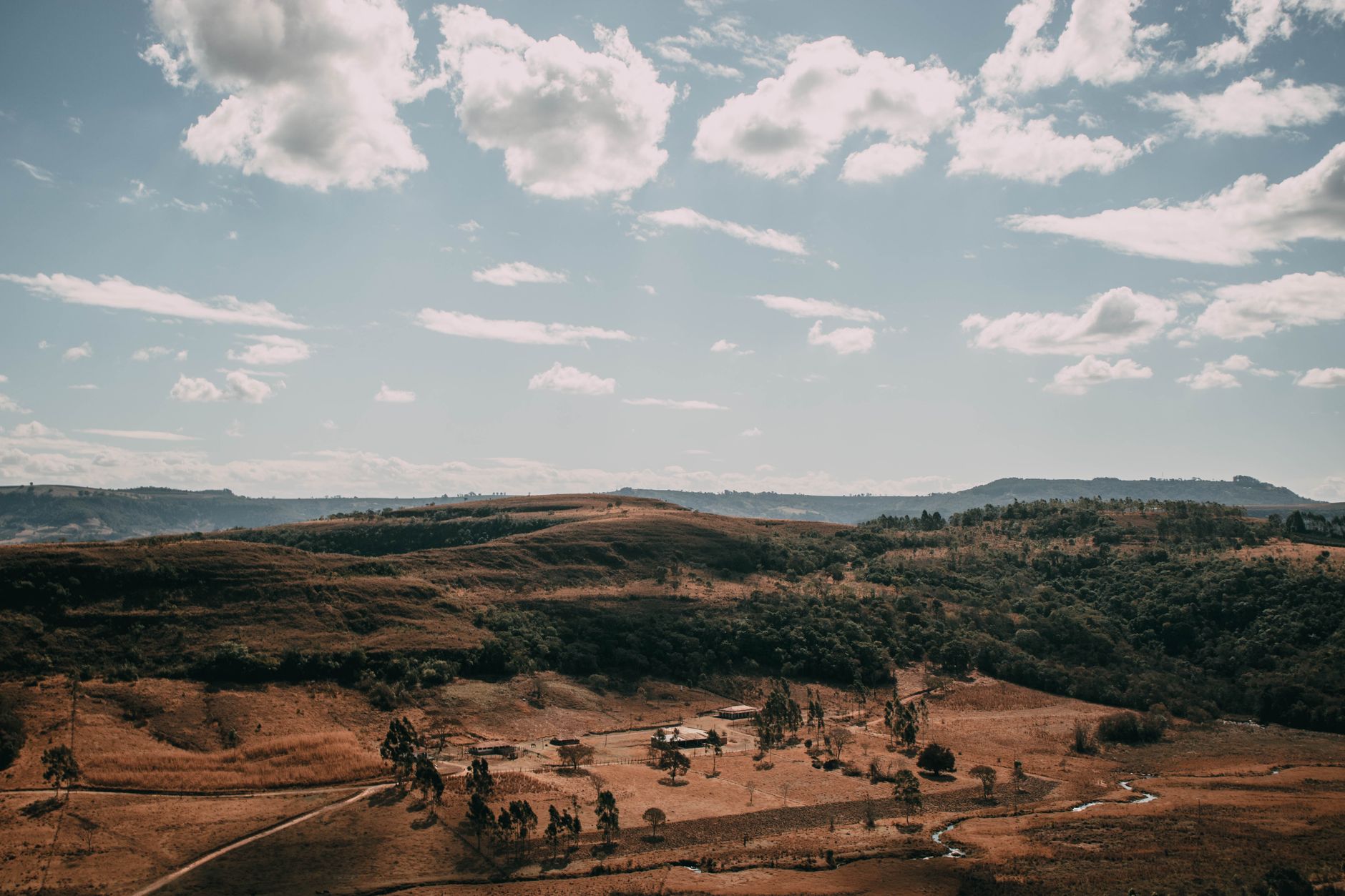
Madagascar grows wine grapes on terraced hillsides around Fianarantsoa, in the Betsileo highlands, at roughly 1,100–1,400 m above sea level and around 21° south latitude. Because Vitis vinifera struggles under tropical disease pressure, growers rely on interspecific French-American hybrids selected for resistance to downy and powdery mildew. The signature product is a pale vin gris, alongside rosés, light reds and semi-sweet wines of modest alcohol. This is a small, rustic, scientifically fascinating wine scene — valued for cultural curiosity rather than fine-wine prestige. Here is the terroir, the viticulture, the vinification, and how to visit.
- Base near the vines: compare Fianarantsoa hotels on Agoda (Fianarantsoa).
- Book a tasting or cellar visit: browse Madagascar wine & highland tours on GetYourGuide.
- Car & driver to reach the estates: arrange one through Carla.
- Travel insurance: cover the trip with SafetyWing.
Few travellers expect to find vineyards in Madagascar. Yet on the granite-and-laterite hills around Fianarantsoa, in the heart of the Betsileo highlands, vines have been cultivated for well over a century. The wines that emerge are unlike anything in the classic wine world: pale, light, often faintly sweet, made from cultivars no Bordeaux estate would recognise. For the curious oenophile or agronomist, this is one of the most instructive terroirs on the planet — a living laboratory of how grape-growing adapts when transplanted to the tropics. This article goes deep into the geology, climate, viticulture and vinification behind Madagascar’s highland wines, and explains why they taste the way they do.
If you want the broader, less technical overview first, start with our Fianarantsoa wine country guide. This piece assumes you already know wine exists here and want to understand how and why.
The Terroir: Geology and Soils of the Betsileo Highlands
The word “terroir” bundles together geology, soil, topography, climate and human practice into a single sense of place. Madagascar’s central highlands offer a genuinely distinctive one. The vineyards sit on the elevated spine of the island, geologically part of the ancient Precambrian crystalline basement — broadly a foundation of granite and gneiss that underlies much of central Madagascar. These are old, hard, acidic rocks, and the soils that weather from them in a warm, humid climate are correspondingly distinctive.
The dominant soils of the highlands are ferralsols — deeply weathered, iron- and aluminium-rich tropical soils, often the rusty red colour known locally and informally as laterite. Intense chemical weathering under high temperatures and seasonal rainfall leaches away soluble bases (calcium, magnesium, potassium) and silica, concentrating iron and aluminium oxides. The result is a soil that is acidic, low in inherent fertility, low in plant-available phosphorus, and prone to fixing nutrients out of reach of roots. For most agriculture this is a challenge; for viticulture it is not necessarily a defect. Vines tolerate poor, well-drained soils well, and excessive fertility tends to push vegetative vigour at the expense of fruit quality.
What ferralsols do demand is management: liming to counter acidity, organic matter to improve structure and cation exchange, and careful nutrient supplementation. The free-draining nature of these red highland soils is, in fact, an asset in a climate where waterlogging and root disease are real risks. The granitic-gneiss parentage also means the soils are generally light in texture on slopes, encouraging deep rooting where the profile allows.
Altitude, Latitude and Topography
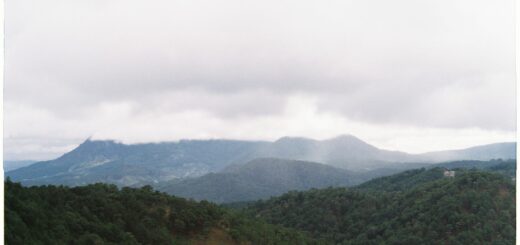
The single most important fact about Betsileo viticulture is altitude. The vineyards lie at approximately ~1,100–1,400 m above sea level. This matters enormously because the sites sit at roughly 21° south latitude — firmly within the tropics, well inside the band where conventional wisdom says fine wine grapes cannot ripen properly because there is no cool season to drive dormancy and slow, balanced ripening.
Altitude is the great moderator. As a rule of thumb, air temperature falls by roughly 6–6.5 °C for every 1,000 m of elevation. Lifting the vineyards more than a kilometre above the surrounding lowlands pulls the growing-season temperatures down from oppressively hot to merely warm, and crucially it sharpens the diurnal temperature range — the gap between warm days and cool nights. A wide diurnal range slows nighttime respiration, helps the vine retain acidity in the berry, and supports the synthesis of aroma and colour compounds. Without the elevation, commercial grape-growing here would be far harder.
The topography reinforces this. Betsileo country is famously terraced — the same hand-built terracing that defines the region’s rice culture also shapes its vineyards. Vines are planted on terraced hillsides, which improves drainage, increases sun exposure on favourable aspects, reduces erosion of the fragile ferralsols, and lifts canopies into better-ventilated air. Slope and aspect become tools: growers can favour aspects that catch more light or shed cold air, and the broken terrain creates many small mesoclimates within a single estate.
The Climate: A Tropical-Highland Rhythm
The central highlands experience a two-season climate: a warm, wet summer (broadly November through March or April) and a cooler, drier winter (broadly May through September or October). This rhythm is the opposite of the Mediterranean pattern that governs most of the world’s classic wine regions, where the dry season coincides with ripening. Here, much of the rain falls precisely during the growing season.
The consequences for the vine are profound. Heat and humidity during the growing season create sustained disease pressure — ideal conditions for fungal pathogens. Downy mildew (Plasmopara viticola), powdery mildew (Erysiphe necator) and anthracnose all thrive in warm, wet, humid air, and a tropical growing season offers them an almost continuous opportunity. This is the central viticultural problem of the Betsileo highlands, and it shapes nearly every decision growers make, from cultivar choice to canopy architecture.
The cooler dry season provides a partial rest and a window of lower disease risk, and the altitude-driven cooling helps. But the absence of a true, hard winter dormancy — the deep cold that resets temperate vines each year — is one of the defining features of tropical viticulture, and it has direct consequences for how the vines are managed, as we will see.
Phenology: How the Vine Behaves in the Tropics
Phenology is the timing of a plant’s developmental stages — budbreak, flowering, fruit set, véraison (the onset of ripening, when berries soften and colour), and harvest. In temperate regions this cycle is locked to the seasons: vines go dormant in winter, push buds in spring, ripen through summer, and are harvested in autumn, once per year.
In a warm tropical highland, the picture blurs. With no severe winter to enforce a long dormancy, vines can be coaxed into shorter, more flexible cycles. Tropical viticulture worldwide is known for the possibility of more than one growth cycle per year, manipulated through timing of pruning and sometimes irrigation or defoliation to “reset” the vine. Whether and to what degree Betsileo growers exploit double-cropping varies, and reliable published detail is limited; but the underlying principle — that pruning, rather than winter cold, becomes the lever that controls the vine’s cycle — is a genuine feature of growing grapes at this latitude.
This is one of the most scientifically interesting aspects of the region. The grower effectively substitutes human intervention (pruning date, canopy management) for the seasonal signals that temperate vines rely on, steering phenology to dodge the worst of the wet-season disease pressure and to time ripening into a drier window where possible.
Viticulture: Why Hybrids, Not Vinifera
Here is the crux of the whole story. The noble wine grape, Vitis vinifera — the species behind Cabernet, Chardonnay, Pinot Noir and almost every famous wine — evolved in temperate Eurasia and has very little innate resistance to the fungal diseases that American grape species coexist with naturally. Drop pure vinifera into a warm, humid tropical growing season and it is overwhelmed by mildew and rot.
The solution, used across tropical and humid-temperate viticulture, is the interspecific hybrid: a cross between Vitis vinifera and one or more American Vitis species (such as Vitis labrusca, Vitis rupestris or Vitis riparia), which contribute genetic resistance to downy mildew, powdery mildew, anthracnose and phylloxera. These disease-resistant cultivars allow grapes to be grown with far less fungicide than pure vinifera would require in the same climate. The trade-off is in flavour: many older hybrids carry “foxy” or labrusca-derived aromatics and tend to produce lighter, sometimes coarser wines than fine vinifera.
The cultivars grown in the Betsileo highlands are broadly understood to be French-American hybrids selected for exactly this disease resistance, rather than the famous noble varieties. Beyond that, precise, verified variety-by-variety detail is genuinely scarce in the public record, so the honest statement is: the planting material is dominated by hybrid vines chosen for their ability to survive a tropical-highland disease environment. This single agronomic fact — hybrids over vinifera — explains most of what is distinctive about Madagascar’s wine, including its pale colour and light body.
Trellising, Pruning and Canopy Management
Because disease pressure is the constant enemy, canopy architecture is a frontline defence. Open, well-ventilated canopies dry faster after rain and dew, reducing the humid microclimate that fungal spores need to germinate. Trellising systems that lift and spread the foliage improve airflow and light penetration. Pruning serves a double role: it controls yield and vine balance as it does everywhere, but in the tropics it is also the primary tool for steering the vine’s cycle in the absence of a hard winter. Leaf removal in the fruit zone, shoot positioning and timely spraying with permitted treatments round out an integrated approach to keeping the fruit healthy through a wet season.
It is worth dwelling on why this matters so much. In a temperate region, a grower might apply a handful of preventive sprays across a dry summer and reasonably expect a clean crop. In a warm, humid tropical highland, the same fungal life-cycles run faster and reset more often, so the window between an infection event and visible damage is short, and the consequences of a missed treatment are severe. This is why disease-resistant hybrids are not a stylistic preference here but an economic necessity: they reduce the spray load to something a smallholder can actually manage, lower input costs, and make the difference between harvesting a crop and losing it. Every element of the canopy — row orientation, vine spacing, the height at which fruit is carried, the openness of the leaf wall — is, in effect, a tool for managing humidity around the bunch.
Yield, Vine Balance and Fruit Composition
The combination of poor ferralsol fertility, altitude-driven cooling and hybrid genetics tends to keep yields and sugar accumulation in check. Lower potential sugar at harvest is one reason the finished wines carry modest alcohol; it also means growers must judge picking dates carefully, balancing sugar ripeness against the acidity that the cool nights help preserve and against the ever-present risk that a burst of wet-season weather will trigger rot in ripe, thin-skinned fruit. Vine balance — the equilibrium between leaf area and crop load — governs whether the vine can actually ripen what it carries. Too vigorous a canopy on a fertile pocket of soil shades the fruit and traps humidity; too sparse a canopy cannot photosynthesise enough to finish ripening. Achieving that balance by hand, on terraced plots, with hybrid material, in a tropical climate, is a genuine craft, and it explains why the wines, though modest, represent a real agronomic achievement.
Vinification and Wine Styles
The wines follow logically from the grapes and the climate. The flagship style is the famous vin gris — literally “grey wine,” a very pale, barely-pink wine made by giving the crushed grapes only the briefest skin contact before pressing and fermenting essentially as a white. Because hybrid grapes here yield limited deep colour and because brief maceration extracts little anthocyanin, the result is a delicate, pale wine. Vin gris is the style most associated with highland Madagascar and the one most visitors taste first.
Alongside it you will find rosés, light reds, and semi-sweet wines that retain noticeable residual sugar — sugar left unfermented in the wine, which softens the palate and is a common, crowd-pleasing style in emerging and tropical wine regions. Alcohol levels tend to be modest, reflecting grapes that often reach lower sugar concentrations at harvest than sun-baked lowland fruit would. Acidity, helped by the cool highland nights, gives the better examples a refreshing lift.
Winemaking here is generally rustic and practical rather than high-tech. Detail on practices such as malolactic conversion (the bacterial softening of sharp malic acid into rounder lactic acid) or the degree of oxidative handling varies from producer to producer and is not extensively documented; what is fair to say is that these are wines made on a modest scale, often for local and regional consumption, with simple equipment. Expect honest, light, easy-drinking wines rather than structured, age-worthy ones. That is not a criticism — it is the authentic expression of a small tropical-highland industry, and tasting it in situ is the point.
A Short History: How Vines Reached the Highlands
Grapevines are not native to Madagascar. The vine arrived with Europeans during the colonial and missionary era of the nineteenth and early twentieth centuries. The Fianarantsoa region, with its cooler highland climate, was a natural focus for those early experiments — the same elevation that makes viticulture possible today is what made it attractive to settlers and missionaries seeking a climate closer to Europe’s. Over the following decades, grape-growing and small-scale winemaking took root around Fianarantsoa, gradually shifting toward the disease-resistant hybrids that the tropical climate effectively demands. Today wine remains a niche but enduring part of the Betsileo agricultural landscape, sitting alongside the region’s rice terraces, fruit orchards and tea.
The Producers and the Cooperative Model
Madagascar’s wine industry is small and concentrated around Fianarantsoa. Production combines individual estates with a cooperative model, in which grapes grown by smallholders are pooled and vinified collectively — a structure common in regions where many growers each farm only modest plots. Cooperatives let small terraced holdings contribute to a viable winery without each farmer needing a cellar.
Labels and cooperatives you may encounter when tasting or buying in the region include Lazan’i Betsileo, Clos Malaza, Côtes de Fianar, Soavita (associated with the Maromby estate) and Domaine Manamisoa. We deliberately avoid attaching founding dates, ownership details, named winemakers, hectarages or production volumes to these names, because such specifics are not reliably documented in the public record and we will not invent them. Treat the list as a guide to what you might see on a shelf or a cellar door, not as a verified producer dossier. For a structured way to taste several of these side by side, see our companion guide to Madagascar wine tasting tours.
How These Wines Compare to the Wider World
It is important to set expectations honestly. Madagascar’s highland wines are not competing with Burgundy, Barossa or Stellenbosch on quality or structure, and they are not meant to. Their interest is contextual and scientific: they are an authentic example of how viticulture survives and adapts under tropical conditions, using hybrid vines and altitude to do what pure vinifera at sea level could never do here. Judged as a curiosity and a cultural artefact, they are genuinely rewarding. We explore exactly where they sit relative to global wine in our piece Madagascar wine vs the world.
How to Visit the Betsileo Wineries
Fianarantsoa is the gateway. It sits on the RN7, Madagascar’s main north–south highway, roughly a day’s drive south of Antananarivo, and is also the northern terminus of the historic Fianarantsoa–Côte Est (FCE) railway. Base yourself in town and explore the surrounding wine country from there — compare options and book ahead on Agoda for Fianarantsoa, as good highland accommodation can be limited. For more on the town itself, see our guide to the best of Fianarantsoa, and for the wider region our central highlands guide.
The estates and cooperatives are scattered across the hills, and visiting independently by public transport is impractical. The simplest approach is to arrange a car and driver through Carla, who can route you between cellar doors and translate where needed. Alternatively, book a curated tasting or highland day tour on GetYourGuide. Visit in the cool dry season (roughly May–October) for the most comfortable touring and the most reliable roads. Whatever you arrange, protect the trip with SafetyWing travel insurance — highland road travel and rural medical access make cover sensible.
Most visits to Madagascar involve at least one international flight and often a domestic connection. If a flight is delayed or cancelled, you may be entitled to compensation — check your claim with AirAdvisor. And again, before you go, make sure you are covered by SafetyWing.
Frequently Asked Questions
Why does Madagascar grow hybrid grapes instead of famous varieties like Cabernet or Chardonnay?
Because the tropical-highland climate creates intense fungal disease pressure that pure Vitis vinifera cannot withstand. Interspecific French-American hybrids, crossing vinifera with American Vitis species, carry genetic resistance to downy mildew, powdery mildew and anthracnose, allowing grapes to be grown with far less fungicide than noble varieties would need here.
How can grapes ripen properly so close to the equator?
Altitude is the key. The vineyards sit at roughly 1,100–1,400 m, which cools the growing season and widens the diurnal temperature range. Warm days and cool highland nights let the vines retain acidity and develop more balanced fruit than they could at the same latitude near sea level.
What does Madagascar’s highland wine taste like?
The signature is a pale, light vin gris made from brief skin contact. You will also find rosés, light reds and semi-sweet wines with noticeable residual sugar, all generally modest in alcohol. They are honest, easy-drinking wines rather than structured, age-worthy ones.
Where exactly is Madagascar’s wine country?
On the terraced hillsides around Fianarantsoa, in the Betsileo highlands of the central plateau, on the RN7 about a day’s drive south of Antananarivo. The granite-and-laterite (ferralsol) soils and high elevation define the terroir.
Can I visit the wineries, and what’s the best time?
Yes. Base yourself in Fianarantsoa and arrange a car and driver or a guided tour to reach the scattered estates and cooperatives. The cool dry season, roughly May to October, offers the most comfortable touring and the most reliable highland roads.
Plan your Betsileo wine route with Carla
Want to taste highland vin gris at the source without juggling logistics? Carla, our trusted Madagascar travel concierge, will map a route between the Fianarantsoa cellar doors, arrange a car and driver, and tailor the trip to your pace. Contact Carla here to start planning, and remember to cover your trip with SafetyWing.
Plan Your Trip to Madagascar
- Read the full Madagascar Travel Guide
- Explore itineraries by style and duration
- Explore the full destination guide
Where to Stay