Types of Tortoises in Madagascar 2026: Radiated, Ploughshare, Spider & Flat-tailed
Affiliate disclosure: This article contains sponsored links to hotels, tour operators, insurance providers, and other travel services. We earn a small commission if you book through our links, at no extra cost to you.
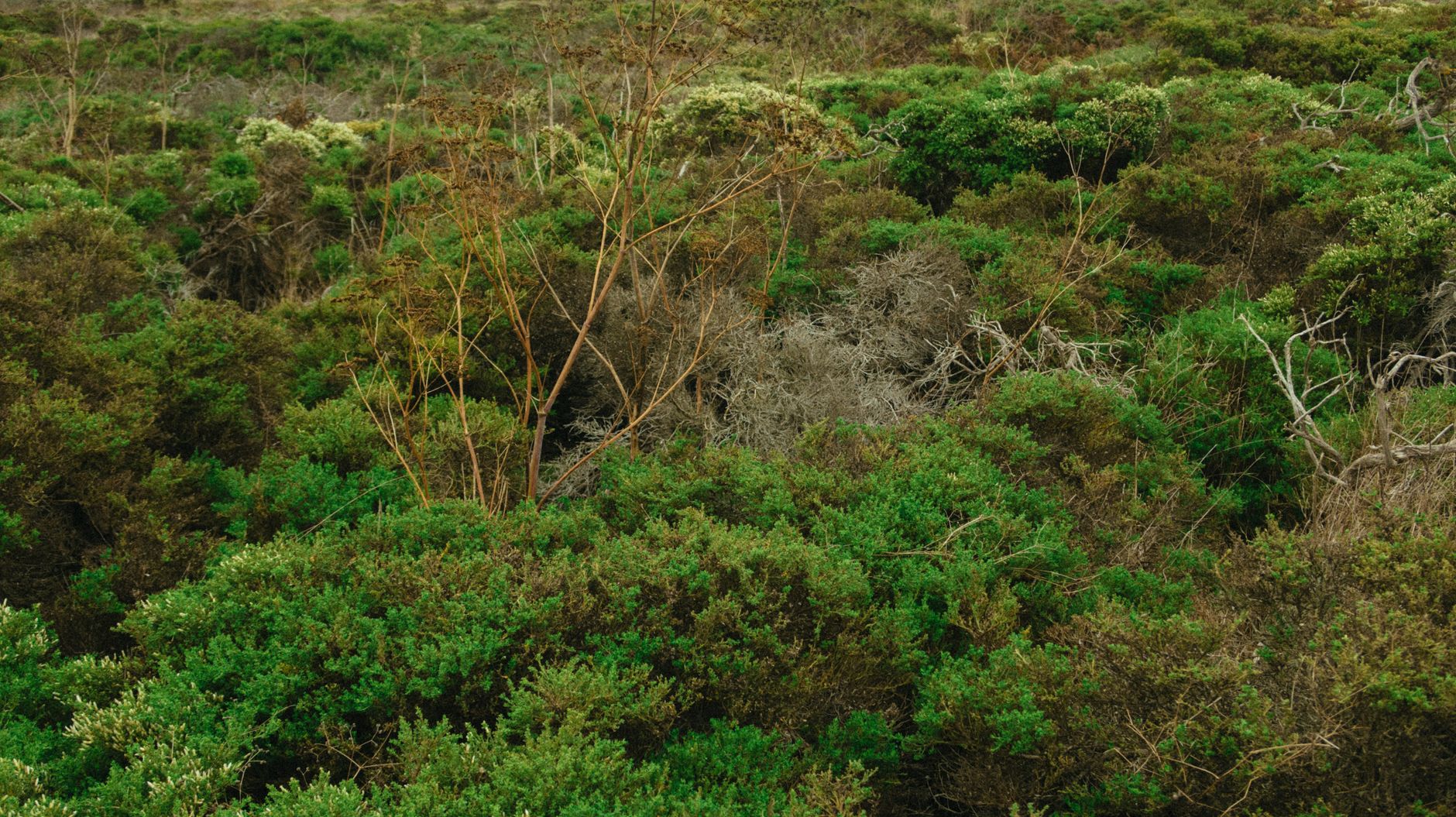
Types of Madagascar Tortoises 2026 — At a Glance
- Radiated tortoise: the large, star-patterned tortoise of the southern spiny forest
- Ploughshare / angonoka: the high-domed golden tortoise of the NW — the rarest tortoise on Earth
- Spider & flat-tailed: two small, little-known endemics of the south and west
- Book a southern wildlife tour: on GetYourGuide
- Plan it with a local: contact Carla
- Getting there: car & driver on Carla
- Flight protection: EU261 up to €600 per passenger
- Travel insurance: SafetyWing Nomad Insurance
- Where to stay: Toliara & the southwest on Agoda
🎒 Madagascar Trip Essentials
A few inexpensive items make the biggest difference on the ground in Madagascar:
- Picaridin insect repellent — DEET-free protection against malaria mosquitoes. See on Amazon →
- Permethrin clothing spray — treat clothes; kills mosquitoes on contact for weeks. See on Amazon →
- Pop-up mosquito net — budget lodges rarely provide one; packs down tiny. See on Amazon →
- Water filter bottle — tap water isn’t safe to drink in Madagascar. See on Amazon →
- Universal travel adapter (USB-C) — Madagascar uses European-style plugs. See on Amazon →
- 8×42 binoculars — essential for spotting lemurs and chameleons in the canopy. See on Amazon →
As an Amazon Associate we earn from qualifying purchases.
Madagascar is famous for lemurs and chameleons, but its tortoises tell an even quieter, more extraordinary story. On this one island live four land tortoise species found nowhere else on Earth, each evolved into a different corner of the country, and each — without exception — now sliding toward extinction. They are not the easiest animals to find. They do not leap between branches or change colour. They live low and slow in dry forest and scrub, and seeing one well in the wild is a small privilege you earn by being in the right place with the right guide.
This guide is the field-guide-style tour of those four species — what each one is, how to recognise it, where it lives, and how close to the edge it sits. We will also explain how to tell them apart at a glance, and how Madagascar’s land tortoises differ from the sea turtles that nest on its beaches, because the two are often confused. For the full picture of how to plan a tortoise-focused trip, start with our pillar guide, tortoises of Madagascar: the complete guide.
Four Endemic Tortoises, Four Corners of the Island
The neat thing about Madagascar’s land tortoises is how they divide the island between them. The radiated tortoise belongs to the deep south and southwest, in the spiny forest of cactus-like plants and thorny scrub. The ploughshare, or angonoka, lives in one tiny pocket of dry deciduous forest and bamboo scrub in the northwest, around Baly Bay. The spider tortoise hugs the coastal scrub of the south and southwest, often near the radiated tortoise but smaller and far harder to see. The flat-tailed tortoise, or kapidolo, is confined to a narrow strip of dry western forest near Morondava.
This geography matters for travellers. You will not see all four on one trip without a lot of effort and luck — they simply do not overlap neatly. The radiated tortoise is by far the most reachable, which is why most tortoise sightings on a Madagascar wildlife trip are of this species. The other three require dedicated effort, specialist sites, and a guide who knows exactly where to look. Madagascar’s tortoises are part of the same wave of endemic evolution that produced its extraordinary lemurs and its remarkable chameleons — isolated for tens of millions of years, they became something the rest of the world simply does not have.
The Species
The Radiated Tortoise (Astrochelys radiata)
Appearance. This is the tortoise most people picture when they imagine Madagascar. The high, domed shell is dark and marked with a brilliant pattern of yellow lines radiating outward from the centre of each plate, like the spokes of a wheel or the rays of a star. The pattern is unmistakable and gives the species both its English name and much of its fame. The head and limbs are yellow, the head often with a dark cap. Each shell is individually patterned, so no two animals look exactly alike.
Size. The radiated tortoise is the largest of Madagascar’s land tortoises, with adults commonly reaching a shell length of around 30 to 40 centimetres and a weight of several kilograms. It is a substantial animal — heavy, deliberate, and long-lived, with individuals known to survive well beyond a human lifetime in care.
Range. It lives in the spiny forest and dry scrub of the deep south and southwest, broadly inland from Toliara and across the Androy and Mahafaly regions. This is one of the harshest, most arid landscapes in Madagascar, full of spiny octopus trees and drought-adapted plants, and the radiated tortoise is beautifully suited to it.
Behaviour. It grazes on grasses, succulents, and fallen fruit, and is most active in the cooler, wetter parts of the day, sheltering from the midday heat. In the spiny forest it plays a quiet ecological role spreading seeds. It is generally placid and slow, and where it survives in any number it can be seen ambling through the scrub in the early morning.
Conservation status. Critically Endangered. Once abundant across the south — historically one of the most numerous large tortoises anywhere — it has collapsed under relentless poaching for the illegal pet trade and for meat, compounded by habitat loss. Enormous seizures of smuggled radiated tortoises have been documented. It remains the tortoise you are most likely to see, but its apparent visibility hides a steep, ongoing decline.
For a traveller, this is the key practical point: the radiated tortoise is the one species that still rewards a visit to the right southern reserve, and the one whose continued survival most directly depends on the choices visitors make. Seeing it well — in the wild or at a reputable conservation centre — and refusing to support the trade that targets it is the single most useful thing a tortoise-minded traveller can do.
The Ploughshare / Angonoka (Astrochelys yniphora)
Appearance. The angonoka is a strikingly beautiful, high-domed tortoise with a shell that ranges from honey to deep golden brown, the growth rings on each plate clearly etched. Its defining feature is the gular projection — a curved, plough-like or boat-like extension of the shell beneath the throat, most pronounced in males, who use it to flip rival males during the breeding season. That projection gives the tortoise its English name, “ploughshare,” after the blade of a plough.
Size. A medium-to-large tortoise, with males larger than females and reaching a shell length of around 40 centimetres or so. The high, rounded dome makes it look bulkier than its length alone suggests.
Range. Astonishingly restricted. The angonoka lives only in a small area of dry deciduous forest and bamboo scrub around Baly Bay in the northwest, near Soalala. Its entire wild world is a handful of square kilometres of one landscape — one of the smallest natural ranges of any tortoise.
Behaviour. Males display and spar in the breeding season, using the gular projection to lever opponents over. The species is slow-breeding and slow-maturing, which makes every lost animal extremely costly to the population. A long-running captive-breeding and reintroduction programme has been built around it, and conservationists have even deliberately engraved the shells of wild animals to make them worthless to collectors.
Conservation status. Critically Endangered, and widely described as the rarest tortoise on Earth, with only a few hundred individuals believed to remain in the wild. The single greatest threat is poaching for the international pet trade, where its rarity and beauty make it grotesquely valuable to smugglers. It is not an animal casual travellers will encounter in the wild; its story is one you learn about, support, and respect from a distance. The angonoka has become something of a flagship for Madagascar’s conservation movement precisely because its plight is so stark: when a species can be counted in the hundreds, every individual matters, and the line between survival and loss is genuinely thin.
The Spider Tortoise (Pyxis arachnoides)
Appearance. The spider tortoise is named for the fine pattern on its shell — pale yellow lines radiating across a dark background in a way that resembles a spider’s web. The shell is domed and the overall effect, on such a small animal, is delicate and intricate. Some forms have a hinged front to the lower shell that lets the animal close itself partly away.
Size. Small — one of the smallest tortoises in the world, with adults typically only around 12 to 15 centimetres in shell length. It is easy to overlook entirely in dense scrub.
Range. It lives in the coastal scrub and spiny bush of the south and southwest, in a band of habitat near the radiated tortoise’s range but generally closer to the coast. Different forms are recognised along that southern coastline.
Behaviour. The spider tortoise is secretive and spends long dry periods buried and inactive, emerging mainly with the rains. This makes it genuinely hard to see — even where it is present, it may be hidden underground for much of the year. It feeds on low plants and forages quietly in the leaf litter and sand.
Conservation status. Critically Endangered. It is threatened by habitat destruction as coastal scrub is cleared and degraded, and by collection for the pet trade. Its small size and restricted, fragmented habitat leave it very vulnerable, and it is far less visible to the public than the radiated tortoise, which means its decline draws less attention.
The Flat-tailed Tortoise / Kapidolo (Pyxis planicauda)
Appearance. The flat-tailed tortoise, known locally as kapidolo, is a small, brownish tortoise with a relatively low, flattened shell compared with the high domes of the radiated and ploughshare tortoises — and, as its name says, a notably flattened tail. The shell carries a subtle pattern, less showy than its cousins’. It is an understated little animal, easy to mistake for a stone or a clod of earth among leaf litter.
Size. Small, similar in scale to the spider tortoise, with adults only around 12 to 15 centimetres in shell length.
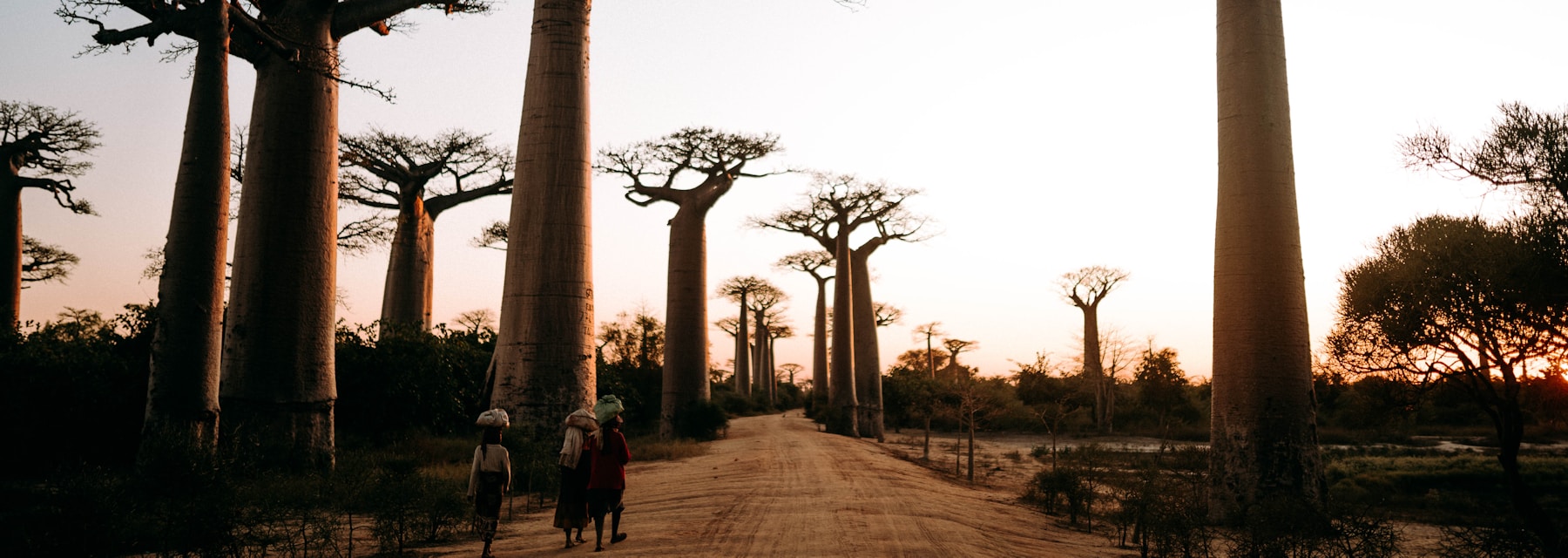
Range. Extremely localised. The kapidolo lives only in a narrow strip of dry deciduous forest in the central-west, near Morondava — the same broad region as the famous baobab avenues. Its whole world is a thin band of that western forest.
Behaviour. Like the spider tortoise, it is strongly seasonal — active and feeding during the brief wet season and then aestivating, buried and dormant, through the long dry months. It eats fallen fruit, fungi, and plant matter on the forest floor. For most of the year it is simply not visible.
Conservation status. Critically Endangered. Its tiny range makes it acutely vulnerable to deforestation, and the western dry forests it depends on are under heavy pressure from clearance and fire. Collection for the pet trade adds to the threat. Of the four, it is among the least known and least seen, even by travellers who spend time in the west.
How to Tell Them Apart
Distinguishing Madagascar’s four land tortoises is usually straightforward once you know what to look at, because they differ sharply in pattern, size, shell shape, and where you find them.
- Pattern. The radiated tortoise has bold yellow rays bursting outward across a dark dome — the most striking pattern of all. The spider tortoise has a fine, web-like network of pale lines on a small shell. The angonoka is more uniformly honey-to-gold with strong growth rings rather than a starburst. The kapidolo is the plainest, a subdued brown.
- Size. If it is large — say 30 centimetres or more — it is a radiated tortoise or an angonoka. If it is tiny, around 12 to 15 centimetres, it is a spider or a flat-tailed tortoise.
- Shell shape. The angonoka is the most strongly domed, and the males carry that unmistakable curved plough-like projection under the throat — no other Madagascar tortoise has it. The kapidolo, by contrast, has a distinctly low, flattened shell and tail.
- Range. Geography is often the quickest clue. Deep south spiny forest and large? Radiated. Northwest around Baly Bay? Angonoka. South-coast scrub and tiny with a web pattern? Spider tortoise. Western dry forest near Morondava and flat-shelled? Kapidolo.
In practice, a good guide will rarely leave you guessing — but knowing the four key features means you can recognise what you are looking at and appreciate just how special it is. A useful mental shortcut: start with size, because it instantly splits the four into two pairs. A large tortoise is either the star-patterned radiated or the high-domed golden angonoka, and those two are easy to separate by pattern and by the male angonoka’s plough-like projection. A tiny tortoise is either the web-patterned spider or the plain, flat-shelled kapidolo, and those two are separated by pattern and by where you are standing on the island. With size first and pattern second, you will almost never be wrong.
Land Tortoises vs Sea Turtles in Madagascar
Travellers often blur “tortoise” and “turtle,” and Madagascar has both — but they are entirely different groups with different lives. The four species above are land tortoises: they live on dry land, have stumpy, elephantine legs rather than flippers, cannot swim, and never enter the sea. The animals you may see in or near the water are sea turtles, principally green turtles and hawksbill turtles, which forage in Madagascar’s reefs and lagoons and come ashore on certain beaches to nest.
The differences are easy to keep straight. A land tortoise has columnar legs and clawed feet built for walking and digging; a sea turtle has paddle-shaped flippers built for swimming and cannot retract its limbs into its shell. You will encounter land tortoises in the dry forests and scrub of the interior and the south; you will encounter sea turtles snorkelling or diving along the coast, or — responsibly and at a respectful distance — at a nesting beach. They are a separate story, beautiful in their own right, but not part of the endemic land-tortoise lineage that makes Madagascar so unusual. When this guide and its siblings talk about “Madagascar’s tortoises,” we mean the four endemic land species.
Where Each Species Lives
For travellers, range is everything, because it determines where on the island you have any chance of a sighting.
- Radiated tortoise — the deep south and southwest. The spiny forest inland from Toliara and across the Androy and Mahafaly country. This is the region most tortoise-focused trips are built around, and it pairs naturally with a stay in Toliara and the southwest.
- Ploughshare / angonoka — the northwest. A single small area of dry forest and bamboo scrub around Baly Bay, near Soalala. This is remote and protected, and the species is essentially not on a normal tourist itinerary.
- Spider tortoise — the southern coastal scrub. Bands of habitat along the south and southwest coast, overlapping broadly with the radiated tortoise’s region but in lower, sandier scrub.
- Flat-tailed tortoise / kapidolo — the central-west. A thin strip of dry deciduous forest near Morondava, the baobab region.
Several of these landscapes sit inside or beside Madagascar’s protected areas, so a tortoise trip overlaps heavily with the country’s reserves. For the wider context of where to go, see our guide to the best national parks and reserves. For the specific, ethical sites and centres where you can actually see tortoises, our sibling guide where to see tortoises in Madagascar walks through them in detail.
Conservation Status Across the Species
The hard truth is that all four of Madagascar’s endemic land tortoises are threatened, and all four are commonly assessed as Critically Endangered. There is no “safe” species among them. Two pressures dominate.
The first is the illegal pet trade. Madagascar’s tortoises are beautiful and rare, which makes them targets for international collectors and smugglers. The radiated tortoise has been poached and trafficked in staggering numbers, with mass seizures of confiscated animals. The angonoka, because it is the rarest tortoise on Earth — only a few hundred left — is worth a fortune to traffickers, and protecting the remaining wild population is a constant fight. The spider and flat-tailed tortoises are collected too, their small size making them easy to conceal.
The second pressure is habitat loss. The spiny forest, the coastal scrub, the western dry forest, and the Baly Bay landscape are all under pressure from clearance, fire, charcoal production, and grazing. For species with naturally tiny ranges, like the angonoka and the kapidolo, losing even a small area is catastrophic.
The brighter side of the story is the conservation work itself: captive breeding, reintroduction, anti-poaching patrols, and the painstaking marking of wild animals to make them worthless to collectors. Visiting Madagascar responsibly, choosing ethical sites, and supporting conservation-minded operators are concrete ways travellers contribute. Tortoises are part of the same fragile endemic web that includes the wildlife you will read about in our guide to a Madagascar safari.
Seeing Tortoises Responsibly
Because every one of these species is Critically Endangered and hammered by the pet trade, how you behave around them genuinely matters. A few firm principles:
- Never buy a tortoise, a shell, or any product made from one. Buying feeds the trade that is driving these animals to extinction, and trafficking tortoises is illegal. If anyone offers you a live tortoise, decline and report it to your guide.
- Never handle or disturb a wild tortoise. Watch, photograph, and move on. Picking one up stresses the animal and can expose it to collectors who watch where tourists find them.
- Visit only ethical, well-run sites. Legitimate conservation centres and protected reserves exist precisely to let people see these tortoises without harming them. Avoid anywhere that lets you hold animals for a fee or keeps them in poor conditions.
- Keep sighting locations discreet. Broadcasting the exact spot where a wild tortoise lives can help poachers. Let your guide manage that.
For the specific, vetted places to see tortoises ethically — conservation centres and protected sites rather than roadside encounters — go to our sibling guide on where to see tortoises in Madagascar.
How They Fit a Wildlife Trip
In practice, tortoises rarely headline a Madagascar trip on their own — they are a quiet, rewarding thread woven into a broader wildlife journey. The natural home for tortoises is a southern, spiny-forest-focused itinerary: the same routes that take you to lemur reserves and the dramatic arid landscapes of the south will put you in radiated-tortoise country, and a good guide will build in the right stops and ethical centres.
If you want to see tortoises well, plan around the south and southwest, give yourself time, and use a guide who knows the sites. A small-group or private southern wildlife tour booked on GetYourGuide is an easy way to fold tortoises into a lemur-and-landscape trip, and our sibling guide on Madagascar tortoise tour packages lays out the options. For what a focused trip costs, see Madagascar tortoise tour cost.
Photographing Tortoises
Tortoises are forgiving photographic subjects in one sense — they hold still — but rewarding ones reward patience and a low angle. Get down to the animal’s level rather than shooting from standing height; an eye-level frame turns a “tortoise on the ground” snapshot into a portrait that shows the shell pattern and the texture of the skin. The radiated tortoise’s starburst shell is the showpiece, and early or late light brings out the yellow rays beautifully without harsh midday glare.
Keep your distance and use a longer lens rather than crowding the animal — never move it or pose it for a shot. A modest telephoto or zoom is plenty for these slow-moving subjects, and the spiny forest backdrop adds wonderful context. For lenses, settings, and the wider art of shooting Madagascar’s wildlife and landscapes, our guide to Madagascar photography covers it in depth.
Getting There and Travelling Well
Tortoise country is the deep south and west, which means a long journey: an international flight into Antananarivo, then either a domestic flight or a multi-day overland drive to the south. The roads are slow and the distances real, so a private car and driver-guide is the comfortable, sensible way to reach the spiny forest. You can arrange one through Carla’s car and driver service, and base your southwest nights using Toliara and southwest hotels on Agoda.
Long-haul flights to Madagascar connect through Europe, the Gulf, or nearby islands, and delays happen. If your itinerary includes a European-routed international flight, EU261 air-passenger-rights rules can entitle you to compensation of up to €600 per passenger for long delays or cancellations on that flight — note this applies to the qualifying European-routed leg, not to Madagascar’s domestic hops. It is worth registering any eligible claim with AirAdvisor. And because rural southern Madagascar is far from major hospitals, proper travel insurance is not optional — SafetyWing Nomad Insurance is a straightforward, traveller-friendly option that covers medical care and trip disruptions while you are out in remote wildlife country.
Let Carla Plan Your Tortoise Trip
Tortoises are a specialist’s pleasure: the radiated tortoise in the spiny forest is reachable, the others take real local knowledge, and ethical viewing matters more here than almost anywhere. A resident specialist takes the guesswork out — routing you to the right southern sites and conservation-minded centres, arranging the long transfers, and making sure your visit supports the tortoises rather than harms them. Tell Carla what you most want to see and how long you have, and she will build a sensible, ethical southern itinerary around it. Get in touch with Carla to start planning, and protect the trip itself with SafetyWing.
Frequently Asked Questions
How many tortoise species does Madagascar have?
Madagascar has four endemic land tortoise species, all found nowhere else: the radiated tortoise, the ploughshare (angonoka), the spider tortoise, and the flat-tailed tortoise (kapidolo). Sea turtles, which nest on Madagascar’s beaches, are a separate group and not counted among the land tortoises.
Which is the rarest tortoise in Madagascar?
The ploughshare tortoise, or angonoka, is the rarest — widely described as the rarest tortoise on Earth, with only a few hundred individuals believed to survive in the wild around Baly Bay in the northwest. Intensive captive breeding and anti-poaching work are all that stand between it and extinction.
Which tortoise am I most likely to see?
The radiated tortoise, by a wide margin. It is the largest, the most widespread of the four, and lives in the accessible spiny forest of the south and southwest. The other three are smaller, far more localised, and much harder to find without a specialist guide.
What is the difference between a tortoise and a sea turtle here?
Tortoises are land animals with stumpy, clawed legs that cannot swim and live in dry forest and scrub. Sea turtles — green and hawksbill turtles in Madagascar — have flippers, live in the ocean, and only come ashore to nest. Madagascar’s famous endemics are the land tortoises; sea turtles are a different lineage.
Can I buy or hold a Madagascar tortoise?
No. All four species are Critically Endangered and the pet trade is a leading cause of their decline. Buying a tortoise or any tortoise product is illegal and harmful, and handling wild animals stresses them and can expose them to poachers. See them only at ethical, well-run conservation sites and reserves.
🐢 See Madagascar’s Endemic Tortoises — Ask Carla
A resident specialist can plan the southern spiny-forest sites and ethical, conservation-minded centres where you can see them. Reach out to Carla.
Plan Your Trip to Madagascar
- Read the full Madagascar Travel Guide
- Explore itineraries by style and duration
- Explore the full destination guide
Where to Stay