Madagascar Tortoise Tour Cost 2026: What a Southern Wildlife Trip Really Costs
Affiliate disclosure: This article contains sponsored links to hotels, tour operators, insurance providers, and other travel services. We earn a small commission if you book through our links, at no extra cost to you.
Madagascar Tortoise Tour Cost 2026 — At a Glance
- The headline: the tortoises are free to look for — reaching the southern spiny forest is the cost
- Biggest cost levers: how you get south (drive the RN7 vs fly to Toliara) and how much of the south you cover
- Good value: tortoises come bundled with the south’s reef, baobabs and lemurs
- Cost a trip honestly: contact Carla for figures with no hidden extras
- Book a southern wildlife tour: on GetYourGuide
- Getting there: car & driver on Carla
- Flight protection: EU261 up to €600 per passenger
- Travel insurance: SafetyWing Nomad Insurance
- Where to stay: Toliara & the southwest on Agoda
People often ask what a tortoise-focused trip to Madagascar costs, expecting the answer to hinge on the tortoises themselves. It doesn’t. Looking for radiated tortoises in the spiny forest, or meeting them at an accredited conservation centre, is one of the cheaper parts of the whole adventure. What you are really paying for is the journey to reach them — the long, dramatic haul into the arid south and southwest, the private vehicle and driver-guide who get you there, and the days you spend exploring once you arrive. In other words, a tortoise trip costs almost exactly what any southern-Madagascar wildlife trip costs, because that is what it is.
This guide breaks down where the money actually goes, which decisions move the budget the most, and how to keep costs sensible without cutting the things that matter — the guiding, the park fees, and the ethics. For the full picture of the animals you are travelling to see, start with our complete guide to the tortoises of Madagascar. This is the honest costing companion: no invented price tags, just the real levers and a clear sense of what drives the total up or down.
The Big Picture: The Tortoises Are Free, the Logistics Aren’t
Here is the single most useful thing to internalise before you budget. The wildlife at the heart of this trip — the high-domed, star-patterned radiated tortoise of the south — costs nothing to look for at the right sites. There is no premium “tortoise ticket.” What costs money is everything that surrounds the encounter: getting your body to the bottom of a very large, slow island, moving around once you are there, and sleeping and eating along the way.
That reframe matters because it tells you where to focus your attention. Trimming your budget by skipping a guide or a park fee saves a trivial amount and ruins the experience. The real money sits in the logistics — and that is exactly where smart planning pays off. Daily living in the south is moderate to genuinely cheap: simple lodges around Toliara and Ifaty, fresh seafood, local meals, cold drinks. The expensive part is the distance. Madagascar’s south is far from the capital, the roads are long, and domestic flights carry a premium. Once you accept that the cost is dominated by reaching and traversing the south, the whole budget becomes much easier to plan.
The good news, which we return to at the end, is that the tortoises live in the same corner of the country as the coral reef, the baobabs and several lemur species. You are not paying all this travel cost for a single animal — you are buying access to one of Madagascar’s richest regions, with tortoises as one highlight among many.
What Drives the Cost
A southern tortoise trip is built from a handful of cost components. Understanding each one — and how much it can swing — is the whole game. Here they are, roughly in order of how much they move the total.
Getting south: drive the RN7 or fly to Toliara
This is the biggest single lever in the entire budget. The tortoise country sits in the deep south and southwest, and there are two ways to reach it from Antananarivo. You can drive the legendary RN7 — a multi-day overland journey by car and driver that doubles as a sightseeing route — or you can fly into Toliara and save days at a meaningfully higher price. Which you choose can shift the cost of the trip more than any other decision, and it is worth its own section below.
The private vehicle and driver-guide
For almost every traveller, the backbone of a Madagascar trip is a private vehicle with a driver-guide. This is not a luxury so much as the practical reality of moving around the south, where public transport is slow and uncomfortable and the best wildlife sites are well off the main road. The vehicle-and-driver cost is largely fixed per day, regardless of how many people are in the car — which is why it is the single biggest opportunity to save by sharing (more on that later). It is also the line item that quietly makes everything else possible: the driver-guide handles fuel, routing, breakdowns, and a great deal of the on-the-ground problem-solving.
Reserve and park fees, local guides, and conservation-centre entry
Every protected area in Madagascar charges an entry fee, and most require — sensibly — that you take a local guide for your walks. There may also be an entry or donation at a tortoise conservation centre. Individually these are modest sums, but they add up across a southern circuit, and they are non-negotiable: they fund the rangers, the reserves and the breeding programmes that are the only reason wild tortoises still exist. Budget for them honestly and pay them gladly.
Lodges around Toliara and Ifaty
Accommodation in the southwest spans a wide range, from simple beach bungalows to a handful of comfortable lodges. The reassuring news is that the bottom and middle of that range is affordable, and even the comfortable end is reasonable by international standards. Your nightly cost is far more about the style you choose than about the region being expensive.
How much of the south you cover
A trip that bases itself around Toliara and the nearby spiny forest costs far less than one that strings together Toliara, Tsimanampetsotsa and Berenty into a full southern circuit. Each added leg means more days, more fuel, more park fees and more nights. Deciding how much ground to cover is the second-biggest lever after how you get south.
International flights
Finally, the cost of flying to Madagascar in the first place is its own large, separate item — entirely dependent on where you are coming from and when you book. It sits outside the in-country budget but obviously belongs in your total. Booking early and staying flexible on dates is the usual advice.
Getting South: Drive the RN7 vs Fly
If you only optimise one thing, make it this. The choice between driving the RN7 and flying into Toliara is the biggest cost lever in a tortoise trip, and the two options are genuinely different experiences, not just different prices.
Driving the southern RN7 route is the classic way south. It is a multi-day overland journey in your private vehicle, and the road itself is one of Madagascar’s great travel experiences — highland scenery giving way to dramatic massifs, market towns, the granite domes around Anja, and finally the dry, spiny country of the deep south. Because you are already paying for the vehicle and driver, the marginal cost of driving rather than flying is mostly fuel and a few extra nights on the road. It is the more economical option, and it turns the journey into part of the holiday. The trade-off is time: the RN7 eats days you might otherwise spend on the coast.
Flying into Toliara from Antananarivo is the time-saver. A domestic flight collapses the long overland haul into a short hop, which is invaluable on a shorter trip or for travellers who would rather not spend days in a vehicle. The trade-off is straightforward: domestic flights in Madagascar carry a real premium, baggage allowances are tight, and you miss the scenery and the highland stops along the RN7. For a deeper look at the practicalities of moving around the island, see our guide on how to get around Madagascar.
There is no universally right answer. A relaxed traveller with three weeks and a love of road trips will almost always drive the RN7 and spend the saving on better lodges or a longer stay. A time-pressed traveller with ten days will often fly, accept the premium, and use the saved days on the reef. Most well-planned trips lean one way or blend the two — flying one direction and driving the other is a popular compromise.
Reserve Fees, Guides & Conservation Centres: The Cost You Can’t Skip
It is tempting, when trimming a budget, to look at the steady drip of park fees and guide payments and wonder whether they can be cut. They can’t — and they shouldn’t be. This is the one category where economising is both pointless and wrong.
Madagascar’s protected areas charge entry fees that fund the rangers and the infrastructure keeping these last fragments of spiny forest intact. The requirement to hire a local guide is not bureaucracy; a good guide turns a quiet walk through scrub into a procession of discoveries — the tortoise you would have walked past, the chameleon clinging to a thorn, the bird call that tells you what is overhead. Their fee is small relative to what they add, and it puts money directly into the local economy that has every reason, then, to protect the wildlife you came to see.
If you visit a tortoise conservation breeding centre — realistically the only way to see the critically endangered ploughshare, and the most reliable place for a close, ethical radiated-tortoise encounter — there will usually be an entry fee or expected donation. Think of it not as a cost but as a contribution. These centres are quite literally the reason some of these species still have a future. The total across an entire southern circuit is modest, and it is the most meaningful money you will spend on the trip.
Lodges & Daily Living
Here is where the budget relaxes. Once you are in the southwest, day-to-day costs are moderate and often genuinely cheap. Toliara and the beach strip up to Ifaty offer a spread of places to stay, from simple, friendly bungalows to a few comfortable lodges with a pool and a sea view. You can find your level easily, and even the upper end is reasonable compared with what equivalent comfort costs elsewhere in the world.
Eating is a pleasure and a bargain. The southwest is reef country, so seafood is fresh, plentiful and inexpensive; local restaurants and lodge kitchens serve generous meals for modest sums. Cold drinks, snacks and the small daily extras barely register against the cost of getting south in the first place. When you compare accommodation and meals against the transport line items, it becomes obvious where the budget really lives — and it is not at the dinner table.
To get a feel for what is available and to lock in a base, browse Toliara & the southwest on Agoda. Booking your first couple of nights ahead is sensible; you can keep the rest flexible if you are travelling with a driver-guide who knows the region. For broader money-saving strategy across the whole country, our Madagascar budget travel guide is the companion read.
How Much of the South to Cover
After how you get south, the second-biggest lever is how much of the south you take on. This is a dial you control directly, and it has a clean relationship with cost: every additional region adds days, fuel, fees and nights.
At the lighter end, you can base yourself around Toliara and explore the spiny forest near the city and at Ifaty. This is the most economical tortoise trip — a short, focused stay in the heart of radiated-tortoise country, easily combined with the reef. It gives you the encounter and the southwest’s headline highlights without committing to a long circuit.
At the fuller end, you string the south together: the Toliara spiny forest, the unique dry-lake-and-limestone landscapes of Tsimanampetsotsa, and the famous lemurs and gallery forest of Berenty in the far south. This is the comprehensive southern wildlife trip, and it is wonderful — but each leg is real distance and real cost. To plan which sites actually fit your time and budget, read the where-to-see companion, our guide to where to see tortoises in Madagascar, alongside the deeper regional picture in our Toliara & southwest guide.
The honest planning advice: decide your priority first. If tortoises and the reef are the point, a focused Toliara base is excellent value. If you want the full sweep of the south’s wildlife, accept that you are building a longer, larger trip — and budget for it deliberately rather than letting it creep.
Sample Trip Budgets
We don’t publish invented figures, because real prices move with the season, the exchange rate, group size and how far ahead you book — and a number that looks precise but is wrong helps no one. What we can give you is a clear relative picture of three sensible ways to do this trip. Treat these as shapes, not quotes; for real figures tailored to your dates, ask Carla for an honest costing.
Budget. Drive the RN7 south rather than fly. Travel as a small group so the fixed vehicle-and-driver cost is shared. Base around Toliara, focus on the spiny forest and the reef, and choose simple bungalows and local restaurants. Pay every park fee and guide — these are tiny against the savings elsewhere. This is the lowest-cost version and, for many people, the most rewarding, because the long road south becomes part of the adventure.
Mid-range. Mix the two transport modes — perhaps drive the RN7 one way to enjoy the scenery and fly the other to save time — and add one extra southern leg such as Tsimanampetsotsa or Berenty. Stay in comfortable mid-tier lodges. This is the most popular shape: it balances cost, time and depth, and it covers more of the south’s wildlife without becoming a marathon.
Comfort. Fly to and from Toliara to maximise time on the ground, run a fuller southern circuit, and stay in the nicer lodges with private guiding throughout. This is the highest-cost version and buys you time, comfort and breadth — fewer hours in the vehicle, better beds, and the full arc of the south’s highlights. The bulk of the extra spend goes on flights and lodges, not on the tortoises.
Across all three, notice the pattern: the things that change the total are transport, days, and lodge style. The wildlife — the whole reason you are here — barely moves the budget at all.
Tortoises Come Bundled with the South’s Highlights
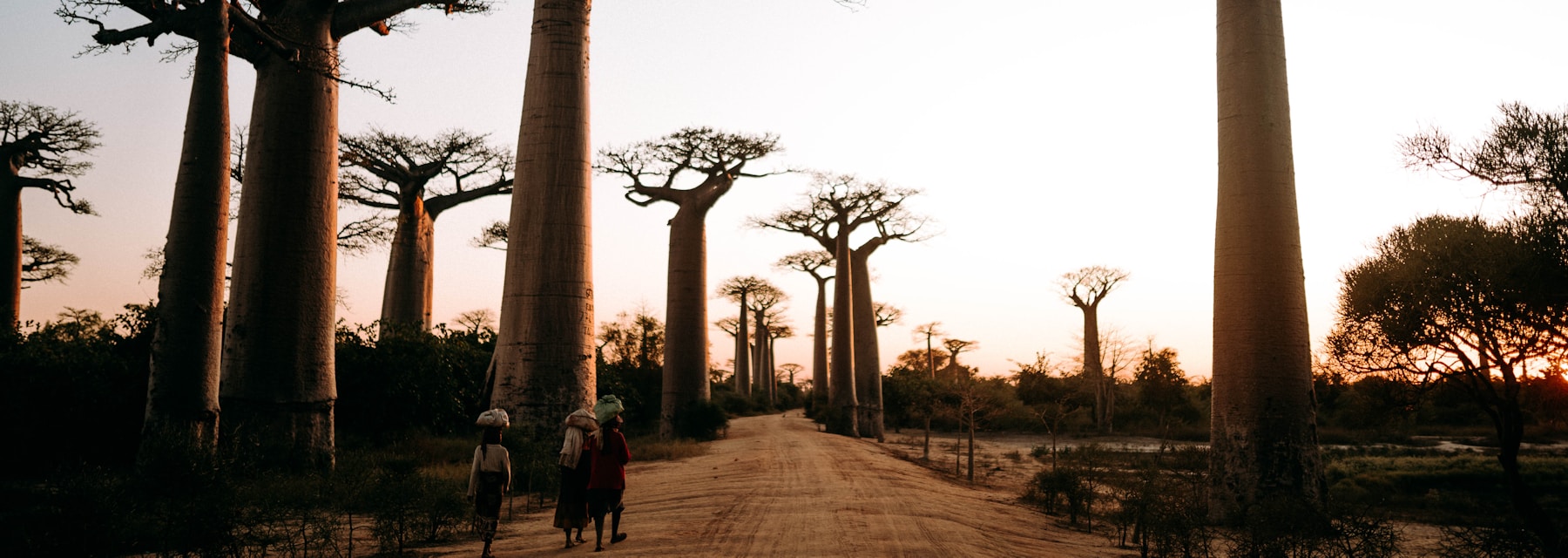
This is the value argument, and it is a strong one. You are not spending all this travel cost to see a single species. The radiated tortoise lives in one of the most rewarding corners of Madagascar, and the same trip that finds you a tortoise also puts you within reach of the country’s best reef snorkelling and diving, its iconic baobabs, and several lemur species in the gallery forests of the far south.
That bundling transforms the cost-per-experience maths. Every day you have paid for the vehicle, the driver-guide and the journey south is a day that can deliver a tortoise in the morning, a lemur troop in the afternoon and a reef at sunset. The fixed costs of reaching the south are spread across a wide spread of highlights, which is exactly why a focused tortoise trip and a broad southwest wildlife trip end up looking so similar on paper. For the full regional picture — and to see just how much sits within a short drive of Toliara — read our guide to Toliara and the southwest.
Seen this way, the trip is excellent value. You are paying southern-Madagascar logistics once and collecting a reef, baobabs, lemurs and endangered endemic tortoises in return.
How to Keep Costs Down
If you want to bring the budget down without spoiling the trip, here is where to push — and, just as importantly, where not to.
- Drive the RN7 instead of flying. This is the single largest saving, and the road is a highlight in its own right. If you have the days, drive.
- Share the vehicle and driver-guide. The vehicle cost is largely fixed per day, so travelling as a small group — two couples, a few friends — splits the biggest line item several ways. This is the most efficient saving available.
- Focus on Toliara. A tight base around the city and Ifaty, rather than a sprawling circuit, cuts days, fuel and fees while still delivering the tortoises and the reef.
- Combine highlights. Pack reef, baobabs and lemurs into the same days you are already paying for, so the fixed transport cost works harder.
- Book lodges and flights early. Both reward planning, especially in the high season.
And what not to cut: never economise on guides, park fees or conservation-centre contributions, and never compromise on ethics to save money. The savings are negligible and the cost is high — a poorer experience, weaker local benefit, and, at worst, support for the practices that endanger these animals in the first place. Cut transport days and lodge stars if you must; keep the guiding and the ethics intact.
Hidden Costs to Budget For
A few line items reliably catch first-time visitors out. None is large on its own, but together they can add a surprising amount, so build them in from the start.
- Reserve and conservation-centre fees. Easy to forget when budgeting from home, they recur at every site and add up across a circuit.
- Guide tips. Tipping your local guides and your driver-guide is customary and well deserved; set aside a sensible amount in advance so it isn’t an awkward afterthought.
- RN7 fuel and time. If you drive, the fuel for a multi-day southern haul is a real cost, and the extra nights on the road are extra accommodation and meals.
- Domestic-flight baggage. If you fly to Toliara, allowances are tight and overweight bags incur charges — pack accordingly, especially with camera gear.
- Bottled water, drinks and incidentals. Small daily extras in a hot, dry climate that quietly accumulate over a couple of weeks.
Is It Worth It?
Yes — and not just for sentiment. A tortoise trip takes you to see critically endangered endemic reptiles that almost no traveller ever encounters, in a landscape — the spiny forest of the deep south — that exists nowhere else on Earth. The radiated tortoise is one of the most beautiful and most threatened tortoises in the world; meeting one in its own dry country, or at a centre fighting to save it, is a rare privilege.
And because the cost is the south’s logistics rather than the animal itself, that same budget buys you a great deal more: the reef, the baobabs, the lemurs and the RN7 itself. You are not paying a premium for the tortoise — you are paying to visit one of Madagascar’s richest regions, and the tortoise comes with it. For travellers who care about wildlife and want to spend their money where it does some good, it is among the most worthwhile trips the island offers. Time your visit well with our best time to visit Madagascar guide and the value only improves.
Getting There and Travelling Well
Two practical points round out the budget. First, the long-haul flights to reach Madagascar are usually routed through Europe, the Gulf or nearby hubs, and they can be delayed or disrupted. If your international ticket is a European-routed flight, EU261 air-passenger rights may entitle you to compensation of up to €600 per passenger for long delays or cancellations on that flight — note this applies to the international leg, not to Madagascar’s domestic hops. It costs nothing to check, so know your rights: see what you may be owed with AirAdvisor.
Second, factor travel insurance into your total — it is a small line item against the cost of the trip and against the things it protects you from. The south is remote, the roads are long, and a medical issue or a cancelled flight far from home is exactly the scenario you insure for. SafetyWing Nomad Insurance is a straightforward, traveller-friendly option that covers the kinds of mishaps long-haul wildlife trips occasionally throw up. Budget for SafetyWing from the start rather than treating it as optional.
Get an Honest Costing from a Resident Specialist
The most reliable way to know what your specific trip will cost is to ask someone who lives and works in Madagascar and prices these journeys for a living. Carla can lay out the real trade-offs — RN7 versus flying, how many southern legs to add, which lodges fit your budget — and put honest figures against each, with no hidden extras and no pressure. Rather than guessing from generic ranges, you get a costing built around your dates, your group size and your priorities.
That also means you can plan the savings deliberately: where sharing the vehicle helps most, where driving beats flying, and where a single extra day is worth the money. Reach out to Carla to turn this guide’s relative picture into real numbers — or to book the car and driver-guide on Carla that forms the backbone of the trip. To compare organised options, you can also browse southern wildlife tours on GetYourGuide.
Frequently Asked Questions
Is a tortoise tour expensive compared with other Madagascar trips?
No — it costs about the same as any southern wildlife trip, because that is what it is. The tortoises are free to look for at the right sites; what you pay for is reaching and travelling around the arid south. Budget it as a southern-Madagascar trip and you will be in the right ballpark.
What is the single biggest thing that changes the cost?
How you get south. Driving the RN7 is the more economical option and a scenic experience in itself; flying into Toliara saves days but carries a real premium. After that, the next biggest lever is how much of the south you cover — a focused Toliara base versus a full southern circuit.
Can I do a tortoise trip on a tight budget?
Yes. Drive the RN7 rather than fly, travel as a small group to share the fixed vehicle-and-driver cost, base around Toliara, and choose simple lodges. Just don’t economise on park fees, local guides or conservation-centre contributions — those are small and essential. See our Madagascar budget travel guide for more.
Are park and conservation-centre fees really necessary?
Yes, and they are the most worthwhile money you will spend. Park fees fund the reserves and rangers, local guides put money into the community that protects the wildlife, and conservation-centre entry directly supports the breeding programmes keeping species like the ploughshare alive. They are modest individually and non-negotiable.
How do I get a real price for my trip?
Ask a resident specialist. Generic ranges can’t account for your dates, group size and route. Contact Carla for an honest costing with no hidden extras, built around exactly the trip you want.
💰 Know What a Southern Wildlife Trip Will Cost — Ask Carla
Get honest figures for the RN7 or flight, the guiding and your stay — with no hidden extras — from a Madagascar-resident specialist. Reach out to Carla.
Plan Your Trip to Madagascar
- Read the full Madagascar Travel Guide
- Explore itineraries by style and duration
- Explore the full destination guide
Where to Stay